Collection Highlights

  • Asmat

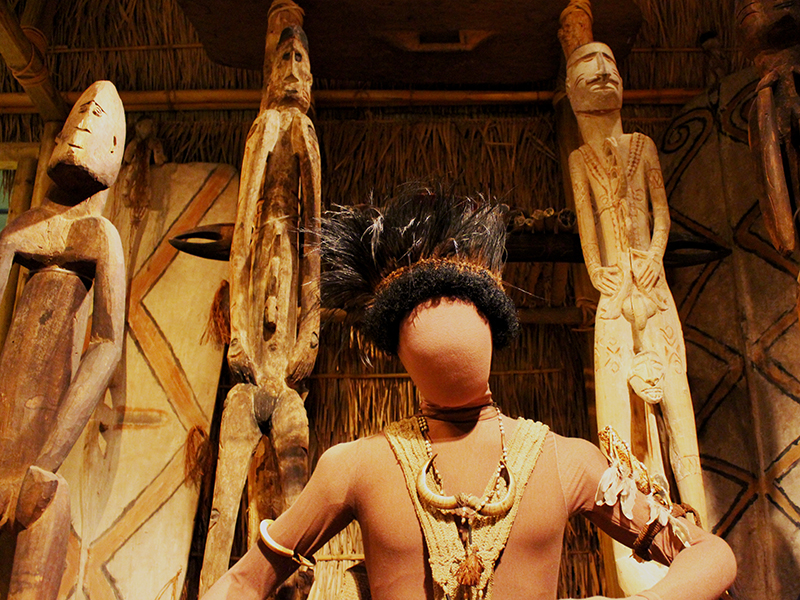
    Explore traditional and ceremonial art of the Asmat, an ethnic group of New Guinea residing in the Papua province of Indonesia, in one of the largest and most important collections of its kind found in the United States.

    The collection includes cultural reference about the objects and how they fit into Asmat life and ritual.

  • Southwest Pottery

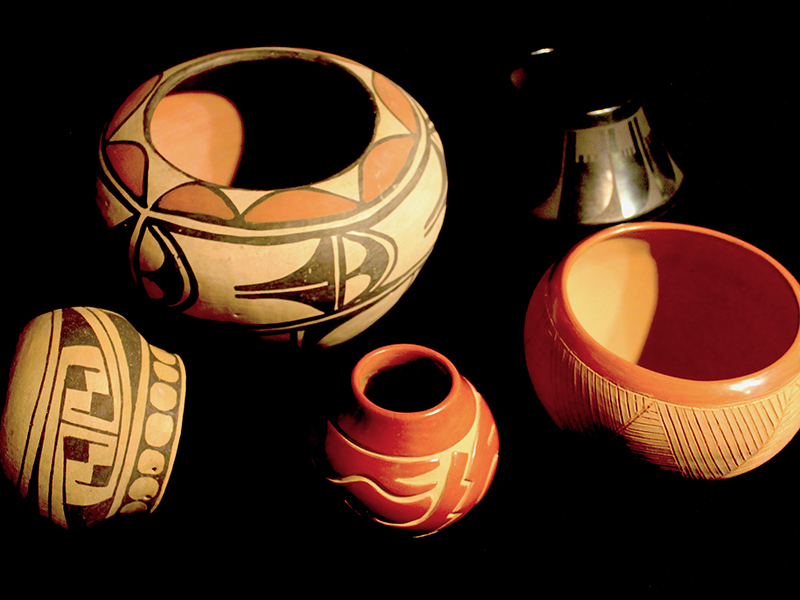
    The Morgan Collection of Southwest Pottery features 113 ceramic pieces from the pueblos of Acoma, Cochiti, Hopi, Isleta, Jemez, Laguna, Picuris, Santa Ana, Santa Clara, Santo Domingo, San Ildefonso, San Juan, Taos, Tesuque, Zia and Zuni. The collection centers on the culture and history of pueblos of the southwest, using pottery as a visual focal point.

  • Textiles

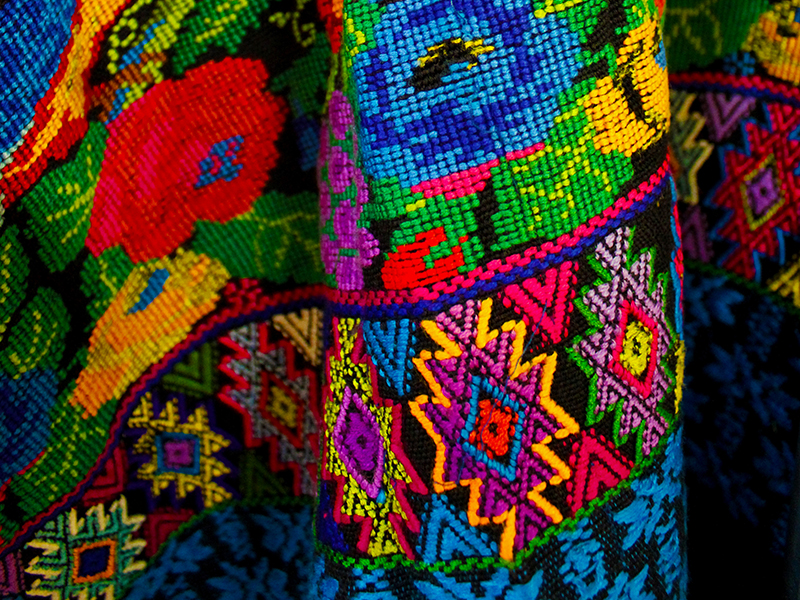
    Textiles and clothing are often an intricate part of cultural identity. Designs are often hand woven and can have symbolic meaning or reflect the world view or universal cosmology of the people. In many areas of the world, village affiliation is associated with particular designs or styles of clothing. The Holmes collection includes textiles and traditional clothing of Chinese nationalities, southeast Asia, Mexico, and Mayan weavings of Guatemala.

  • Additional Collections

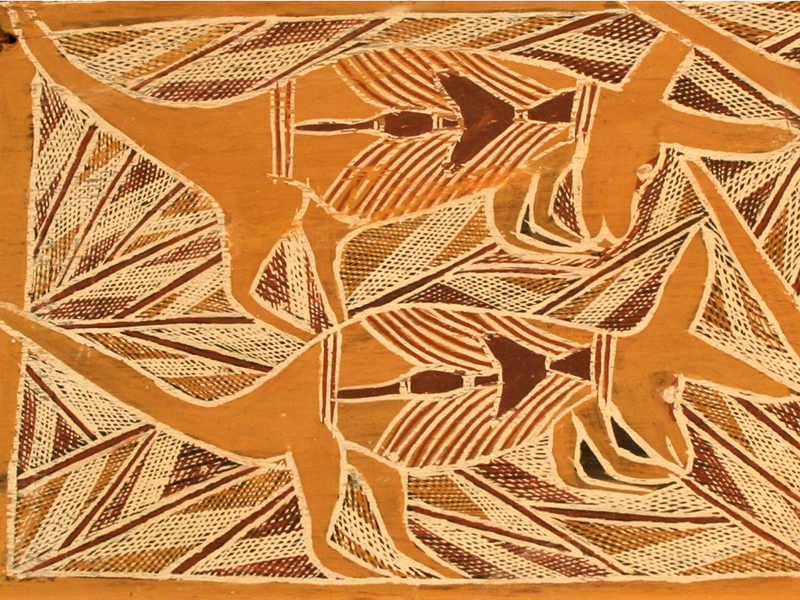
    The museum boasts a vast collection from all over the world, including Aboriginal bark art, African statues and ceramics from Meso-America.

Help Us Grow

The museum is funded primarily by private donations and is continually working to fund student scholarships, student positions, exhibitions, field collecting expeditions, curation supplies, equipment, and acquisitions. The administration of the Holmes Museum feels that field collecting ethnographic material directly from the maker or the users is extremely important. Over the years, museum staff and anthropology and museum studies students have traveled to different parts of the world to create these collections.

If you are interested in helping the museum with the donation of objects or funds, please contact Rachelle Meinecke, the Museum Director or contact the Wichita State University Foundation.

©