


Wichita State University
Keep it real
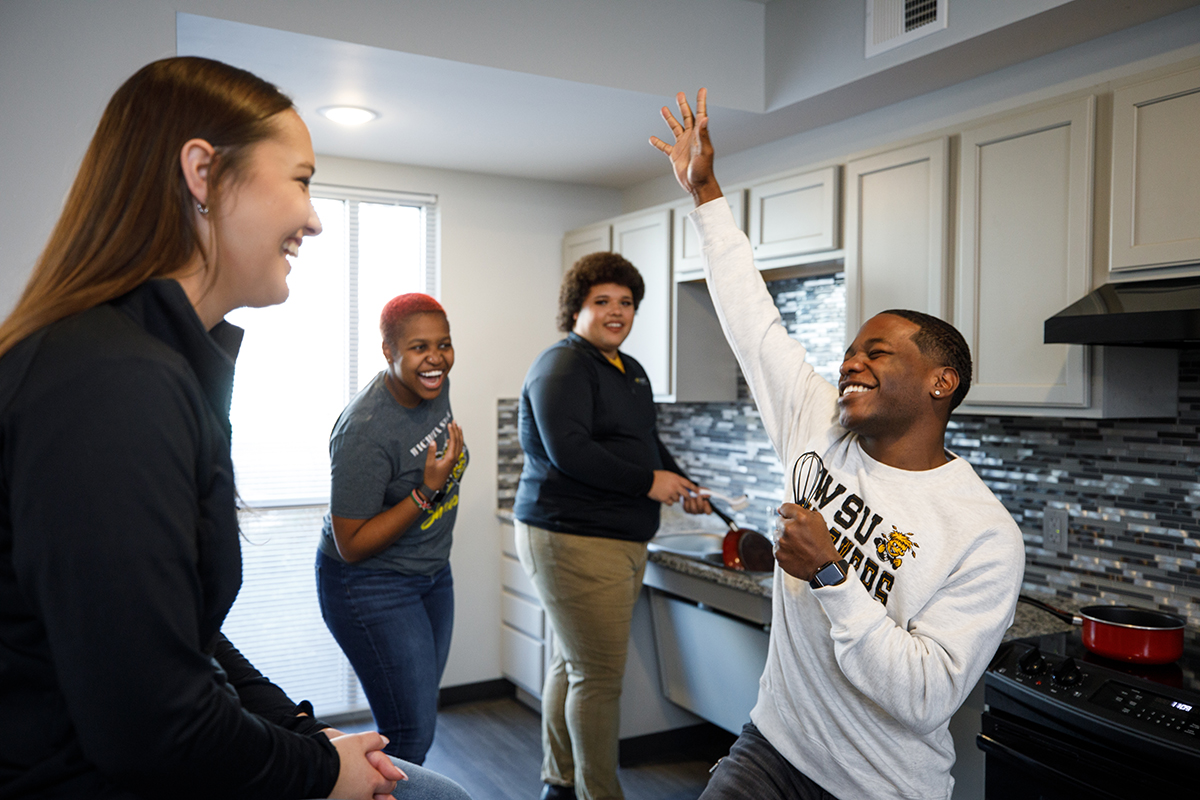
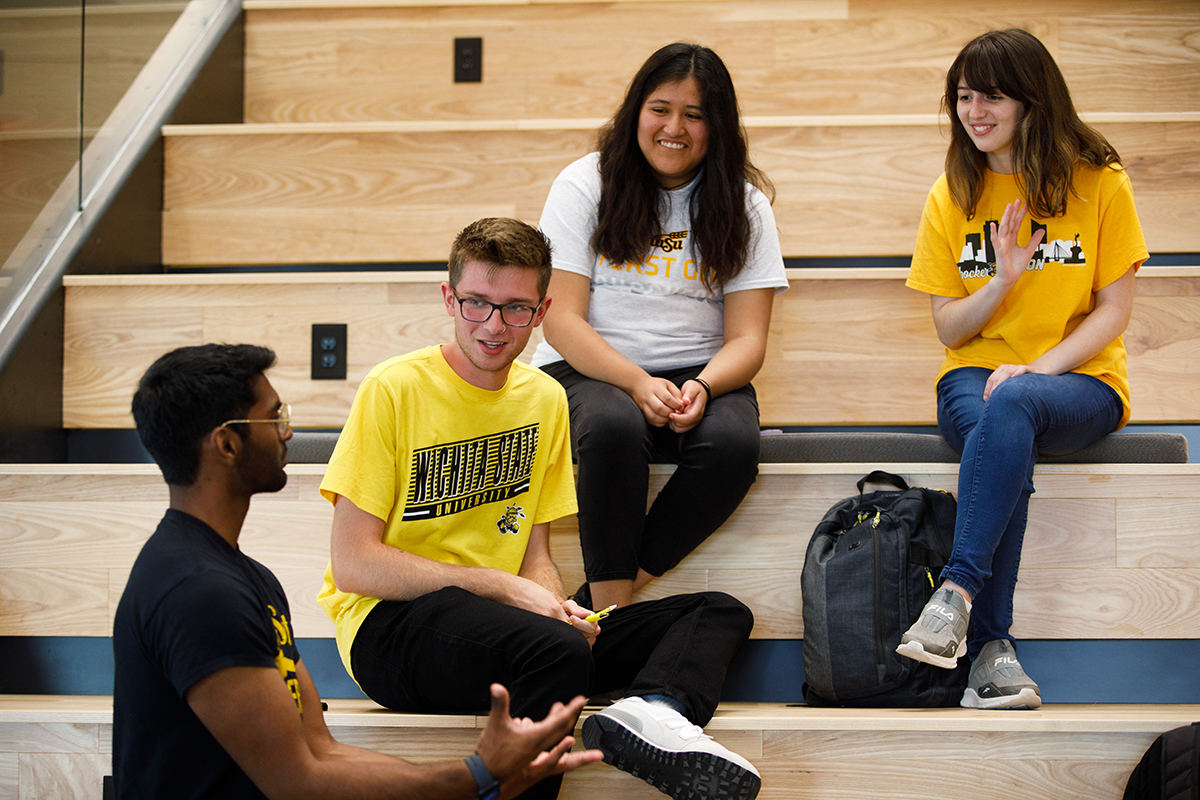
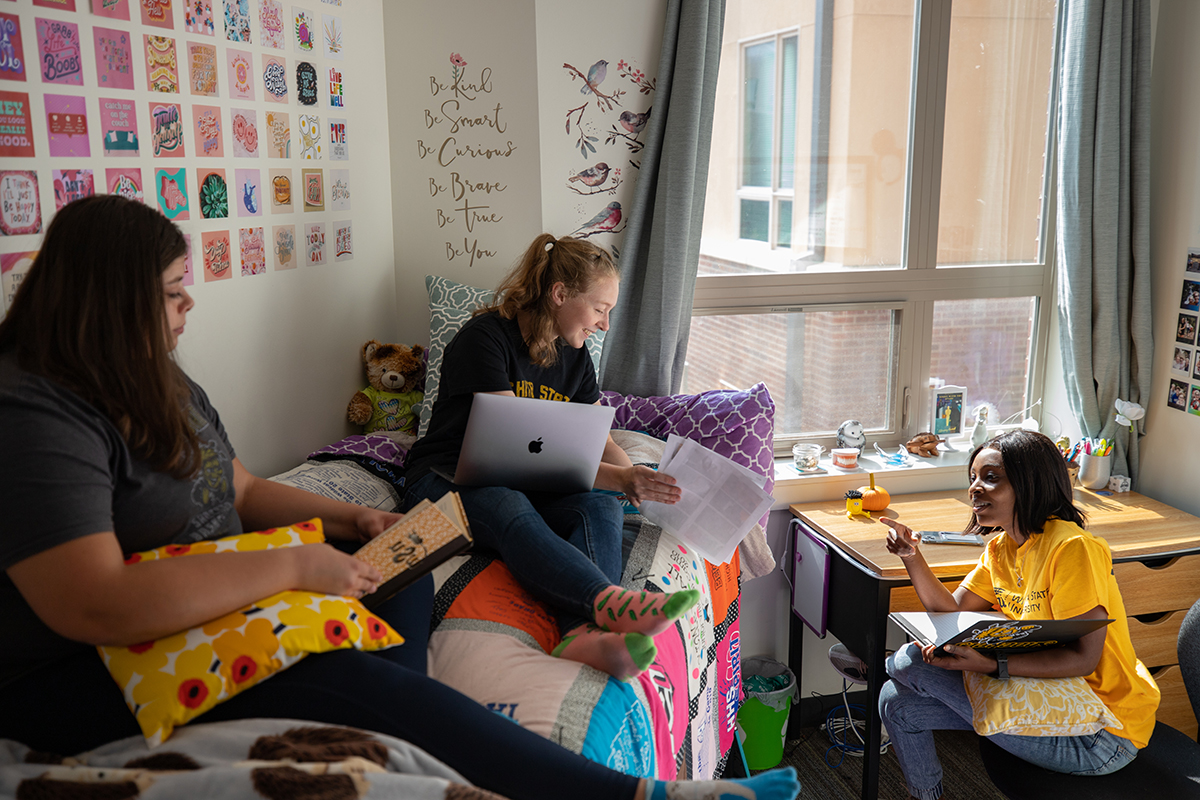
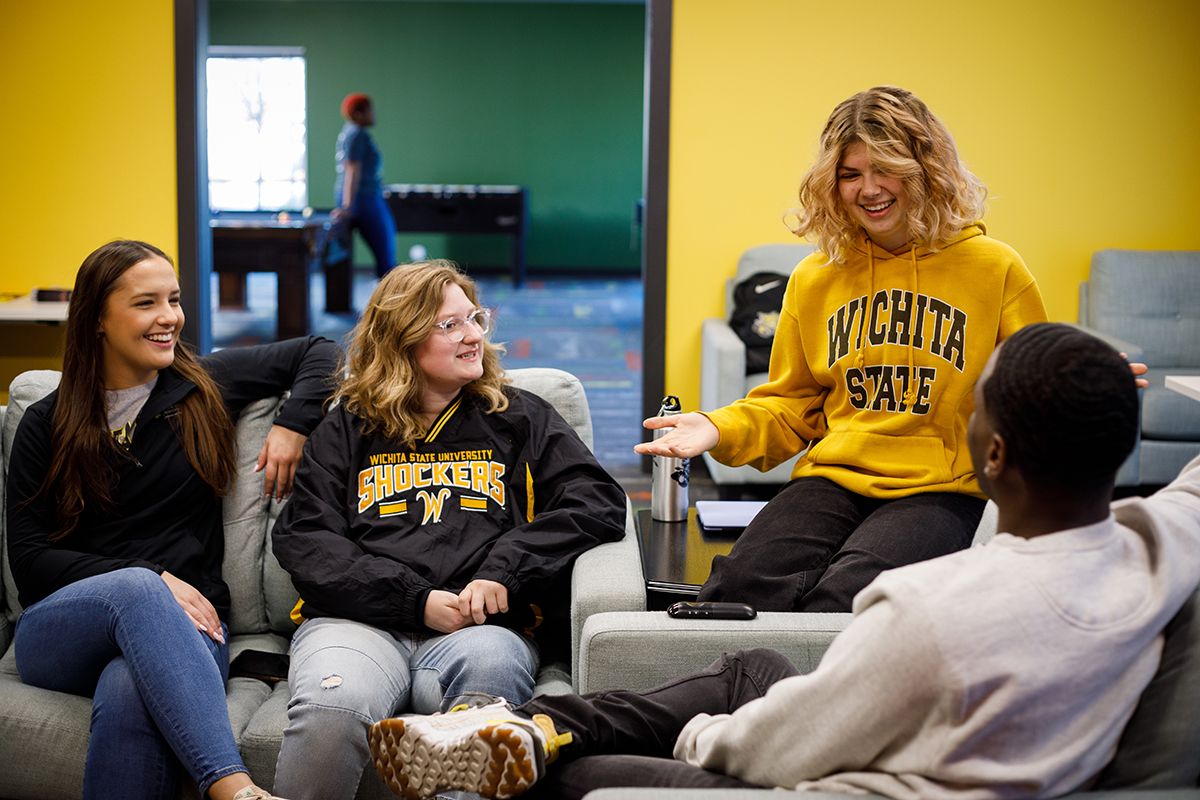
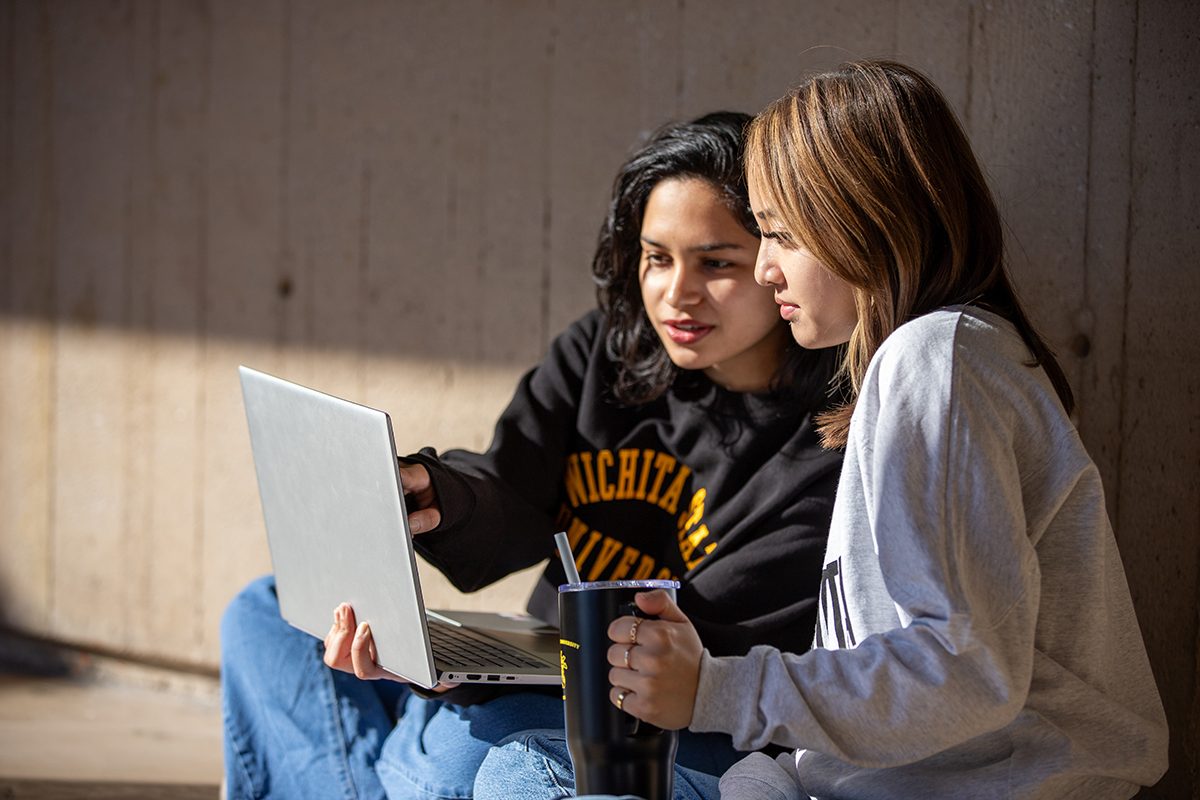
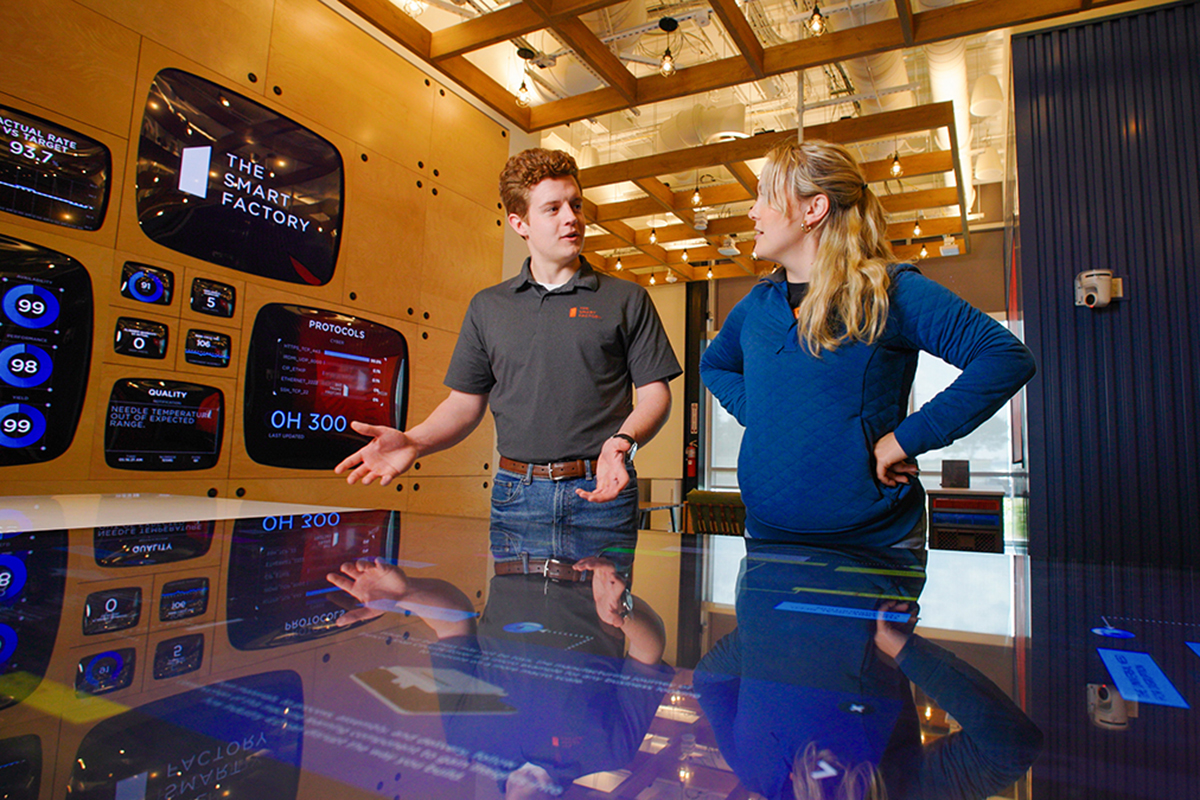
When surveying content, people often look first to imagery, then copy. The best photography informs or elicits an emotional response quickly, and conveys a sense of place and connection with the viewer — all while supporting the content. We want to connect with real people in a real way. Be wary of using imagery that feels contrived or cold, as stock imagery often can.
Custom vs. Stock Photography
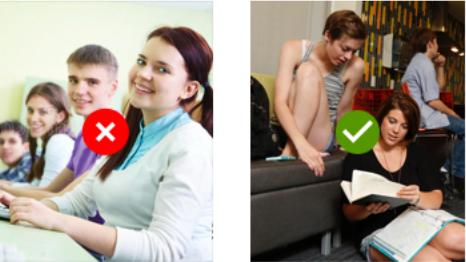
Stock imagery often lacks vitality and results in a diluted, weakened impact. Custom-shot "slice of life" imagery is preferred to overly posed or overly produced stock photos. Whenever possible, using original WSU imagery will add to the authenticity of our story and develop the visual strength of the brand.
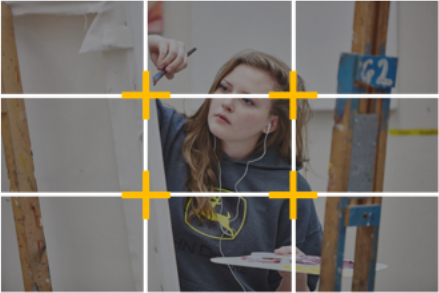
Staying in Frame
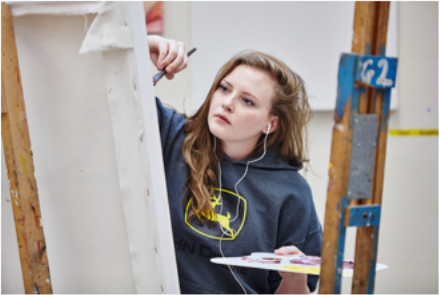
The Rule of Thirds is a great guiding principle for framing custom photography and when editing existing photography. It is a fundamental consideration in art and photographic composition stemming from the theory that the human eye naturally gravitates to intersection points that occur when an image is split into thirds.
In the rule of thirds, photos are divided into thirds with two imaginary lines vertically and two lines horizontally, making three columns, three rows and nine sections in the images. Important compositional elements and leading lines are placed on or near the imaginary lines and where the lines intersect.
Keeping the focal point of the image in or near the center of the middle row allows for flexible placement of imagery in both landscape and portrait modes. When shooting custom photography, taking a series of shots with the focal point centered within each of the three vertical columns will help ensure focal point visibility in most circumstances.
Image Formatting
- Resolution for all images: 72dpi
- Maximum file weight: 3mb
- Format for photography: JPG / 3mb MAX (use compression tools)
- Graphical imagery and illustrations: PNG
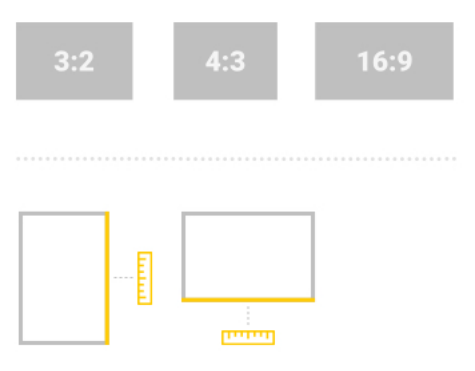
- The following aspect ratios will support flexibility for all media found in the site: 3:2, 4:3, 16:9
- Dimensions for all images are based on the measurement along the longest edge:
- 3000px for large images (e.g. hero area)
- 1400px for medium images
- 800px for small images
Hero Images How-To
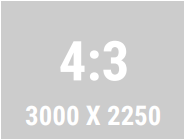
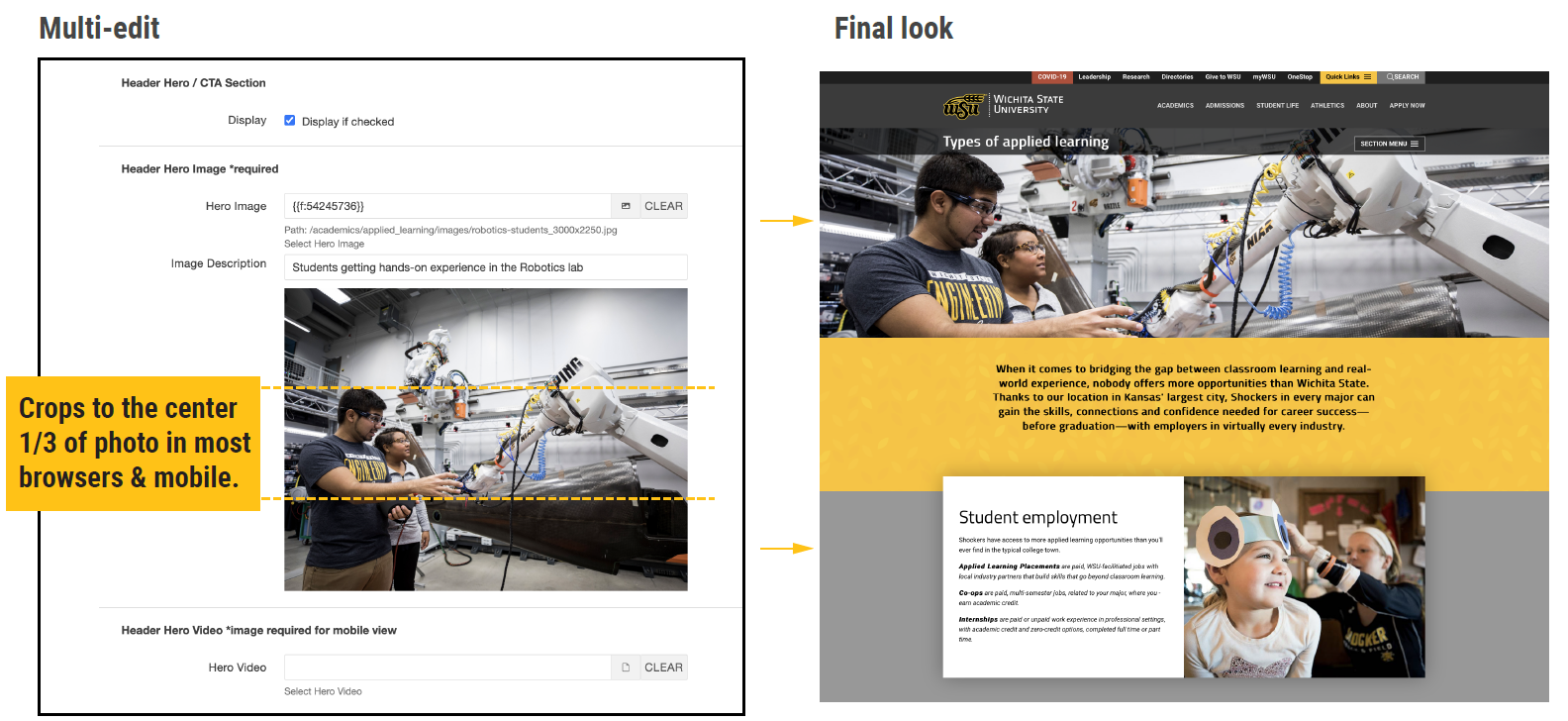
Use an image sized to 3000 x 2250 (4:3 ratio).
Make sure all action is in the center of your image, because your image will crop at the top and bottom.
Additional Resources
Consult our online Snippets guides for additional image tips.