


Wichita State University
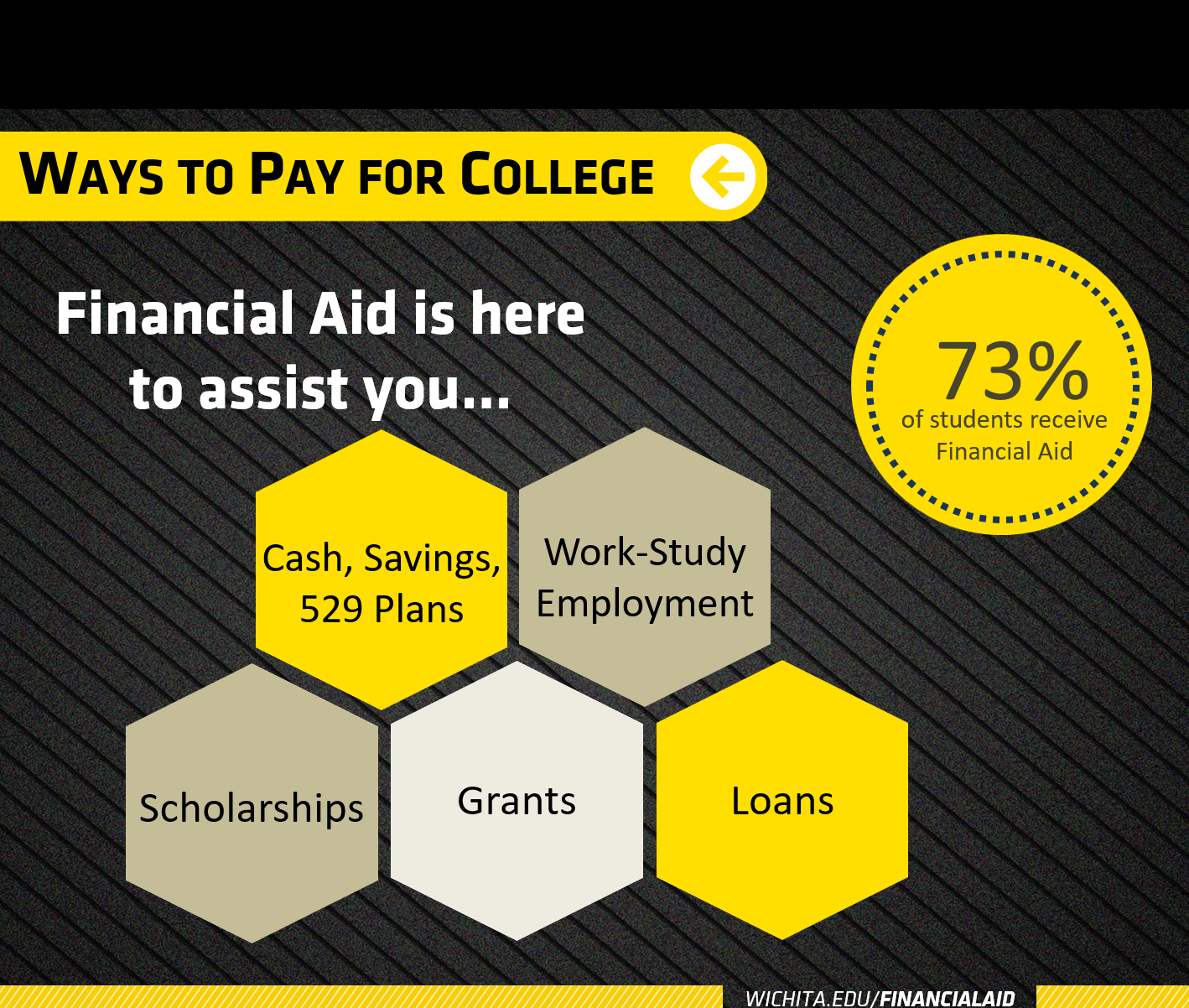
As you or your student(s) are preparing for the next step in your educational journey, there are a million things to remember, plan out, think about and pay for. Finances can be such a stressor for students and families, and unfortunately it can really impact your future plans if the right things don’t fall into place at the right time. However, we want you to know that we’re here to help you through it all! Here are five things you need to know to increase your odds of financial success as you begin this next chapter of your life:
- Deadlines are coming! Don’t let this alarm you, there is still plenty of time to make these deadlines:
- Accept your scholarships by May 1! Don’t let your merit and other Wichita State scholarships expire. You can do this any time in your myWSU student portal. This doesn’t commit you to Wichita State but does allow you to claim YOUR money!
- Submit your final high school transcripts by June 1! Your final high school transcript must be submitted to Wichita State by June 1 in order to receive federal aid.
- Bonus Tip: Read the details page - page 2 = of your scholarship award notification. There is important information here you don’t want to miss.
- Never quit applying for scholarships! We have a really cool tool called ScholarshipUniverse in which you can be matched to and apply for scholarships as a new or current student! Outside scholarships are open year-round, so always keep looking for more!
- Be informed on different types of student loans! There are many loan types out there. Be informed to save yourself time and money down
the road. These websites will help you understand different types of loans and various
definitions of financial aid terms you’ll hear often throughout this process:
- Office of Financial Aid website for various loan types for all students.
- Office of Financial Aid website for Financial Aid Terms and Conditions that outlines various terms and definitions.
- Get familiar with your Student Aid portal! The myWSU portal has so many functions and buttons it can be somewhat overwhelming, but your Financial Aid Dashboard is very user-friendly! Within the dashboard you can view the status of your financial aid for each academic year, accept awards, and more. Your dashboard guide can tell you a lot, but videos make it much easier to understand:
- PLAN, PLAN, PLAN! The No. 1 mistake students and families make before and during their financial aid process is not planning for college costs or preparing a budget. Save as much money as possible for books, supplies and emergencies. Also, don’t forget to apply for as many scholarships as possible! It will pay off, literally.
Honorable Mention FAQ
What if my family’s financial situation has changed since we completed the FAFSA?
Changes in finances due to a reduction in income, a change in marital status, death of a parent/spouse, or other special circumstances may greatly impact a family’s ability to pay for college. The Department of Education allows financial aid administrators to use Professional Judgment on a case-by-case basis to make adjustments to the data used in calculating the estimated family contribution (EFC) to reflect these special circumstances.
If your family is experiencing financial issues (such as the loss of a job, reduction of income, or other extenuating circumstance) and would like to discuss financial aid options and information about the process of a Professional Judgment for the next academic year, schedule an appointment to meet with a financial aid advisor.