Wichita State University
MyShockerHealth Newsletter • Issue 20 • September 2026
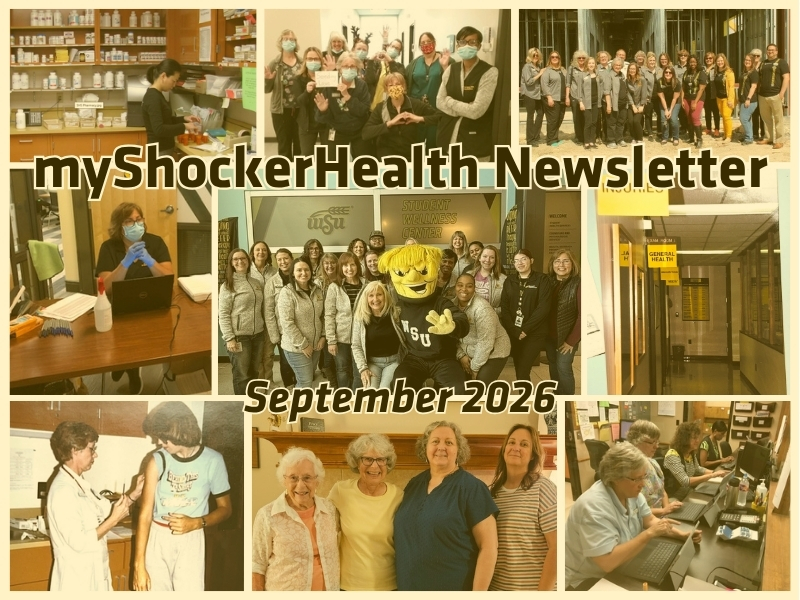
Welcome to the myShockerHealth newsletter!
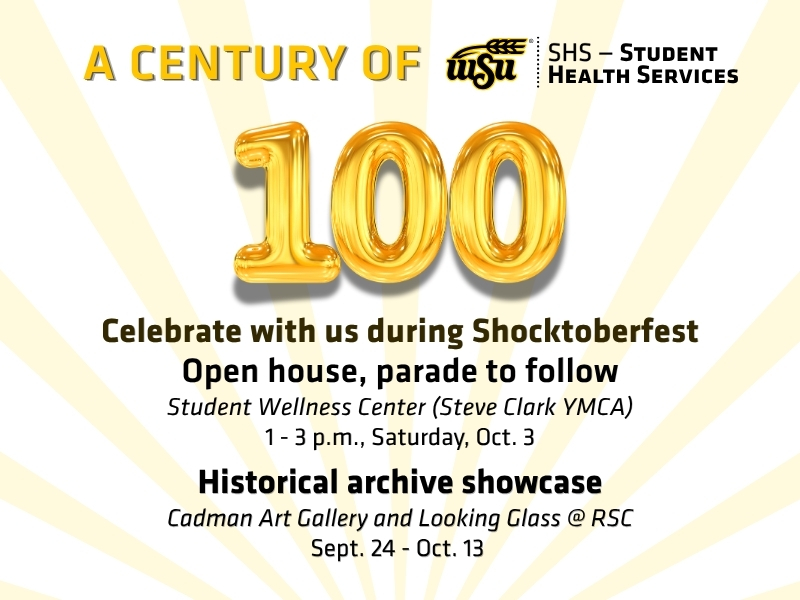
And.....the winner is.......SHS celebrating our 100th year anniversary!!!! (Did that sound Emmy Award worthy?) Student Health Services has had amazing physicians, nurse practitioners, physician
associates, nurses and business operations support staff over the last 100 years to
take excellent care of thousands of WSU students! Too many to name individually. Just
know that in my 20 years at SHS, I have had the honor of working with the best healthcare
team there is!
Please join us at our 100th Anniversary Open House from 1 - 3 p.m. on Saturday, Oct. 3, over Shocktoberfest
weekend. We are also showing off our 100-year history in the Cadman Art Gallery and Looking
Glass September 24th through October 10th. Please join us!
This month's newsletter focuses on: Allergies, headaches, hair thinning, and a heat stroke prevention article written by Belinda Werth, DNP, APRN-C, one of our fantastic nurse practitioners.
-Heather Stafford, BSN, RN; Director, Student Health Services
Allergies
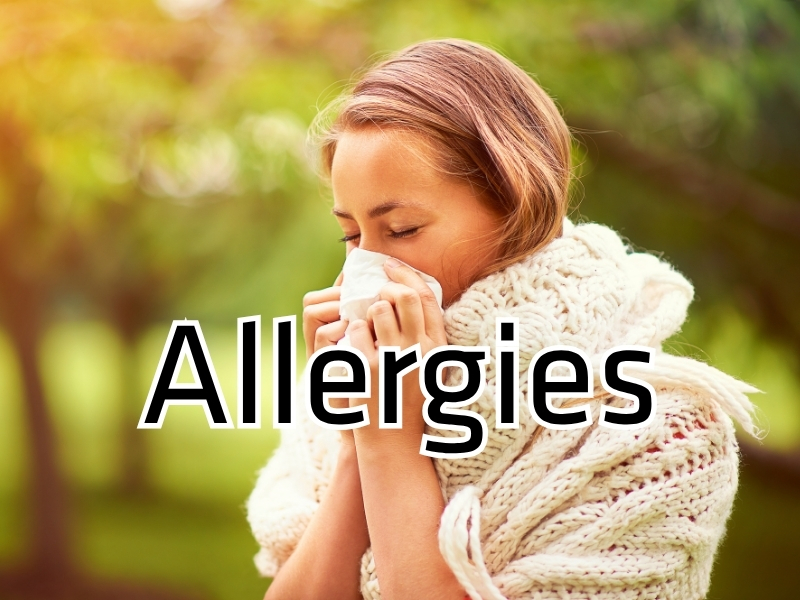
Seasonal Allergy Prevention can protect you from severe symptoms, asthma flares, and sinus infections/inflammations! First, there is quite a few websites that predict the pollen levels and allergy outlook in your area!
Next, you should identify your seasonal allergy triggers and use the Mayo Clinic's techniques for relieving your symptoms. Rinsing your sinuses with saline is a common practice. Check out this instructional video.
Thinning Hair
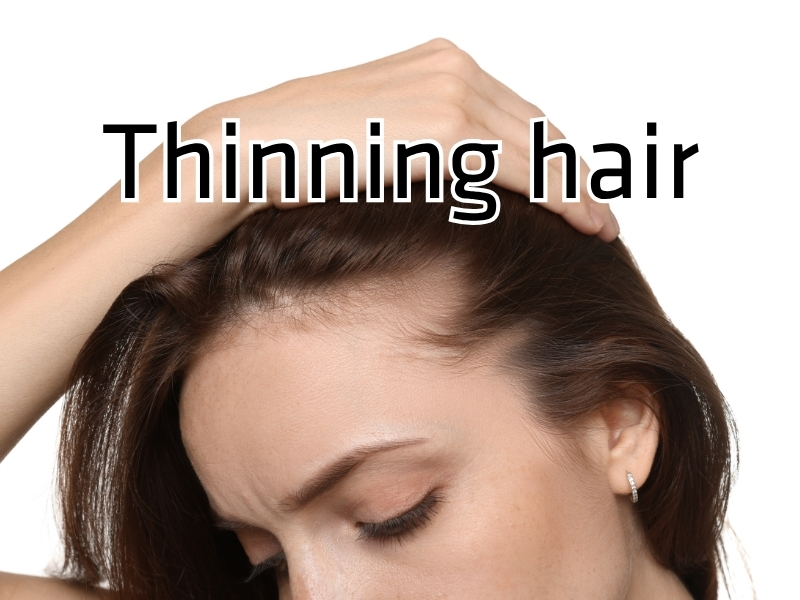
Thinning hair? Losing 100 hairs a day is a normal part of the hair growth cycle. But, if hair seems thinner than it used to, don't wait to get evaluated. Options like dietary adjustments, hair and scalp care, stress management, as well as over-the-counter and prescription medication therapy.
Headaches
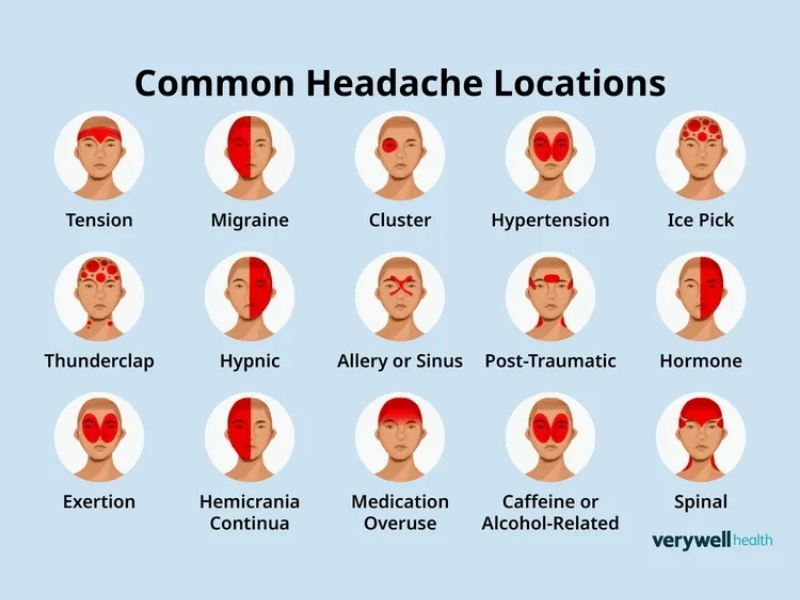
Did you know there are over 200 types of headaches? The hard part is identifying what type of headache you have (primary or secondary) and the easy part is what medication is available to treat that particular headache type.
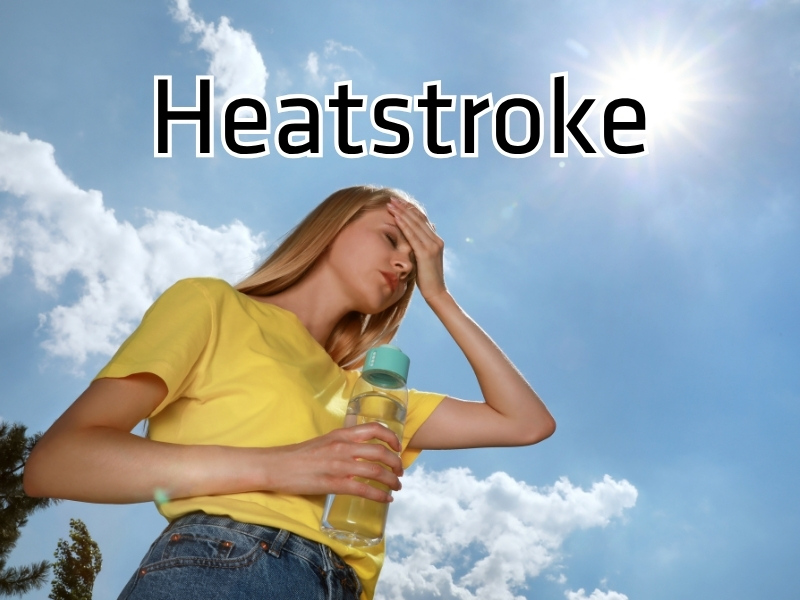
Heat Stroke Doesn’t Look Good on Anyone!
By Belinda Werth, DNP, APRN-C
As we enter the dog days of summer, remember the heat can sneak up on you—especially during outdoor activities, travel, or work.
Stay ahead of the heat by drinking lots of water—like, real water, not just iced coffee or energy drinks. Aim for about 8 to 10 – 8-ounce cups per day. Avoid sugary, caffeinated, or alcoholic drinks, which can dehydrate you.
Dress smart: make light colors, loose fitting clothing, and bucket hats part of your vibe.
Take breaks in the shade or indoors, especially between 10 a.m. and 4 p.m. when the sun is strongest.
SPF 30 is your bestie. Reapply every two hours unless you are going for the red snakeskin look.
If you start feeling woozy, headachy, or extra gross and sweaty, that could be heat exhaustion. Find shade, chill out, and sip water like your GPA depends on it.
If someone stops sweating, acts confused or is burning up and not on fire…That’s heat stroke. Call 911 right away!
TL/DR: Hydrate like you mean it, respect the sun, and don’t let the summer turn you
into an overcooked flesh nugget.
For more information, visit https://www.ready.gov/heat