


Wichita State University
MyShockerHealth Newsletter • Issue 21 • October 2026

Welcome to the myShockerHealth newsletter!
October started off fantastic with our 100th Anniversary of Student Health Services at Wichita State University. Since 1926, Student Health team members have provided quality and affordable medical services to WSU students, and now faculty/staff. Every single person on our team from 1926 to today, made a difference in a student's life. And, we are proud of this tradition! SHS was also in the Shocktoberfest parade and came in first! We had a lot of fun!!!

This month's newsletter talks Pneumonic Plague, Breast Cancer Awareness, Flu and Covid
vaccines, ADHD, and info for staff/faculty!
Links to the most current newsletter will be posted through WSU newsletters, social media, and our website, wichita.edu/shs. Enjoy!
For content requests: student.health@wichita.edu
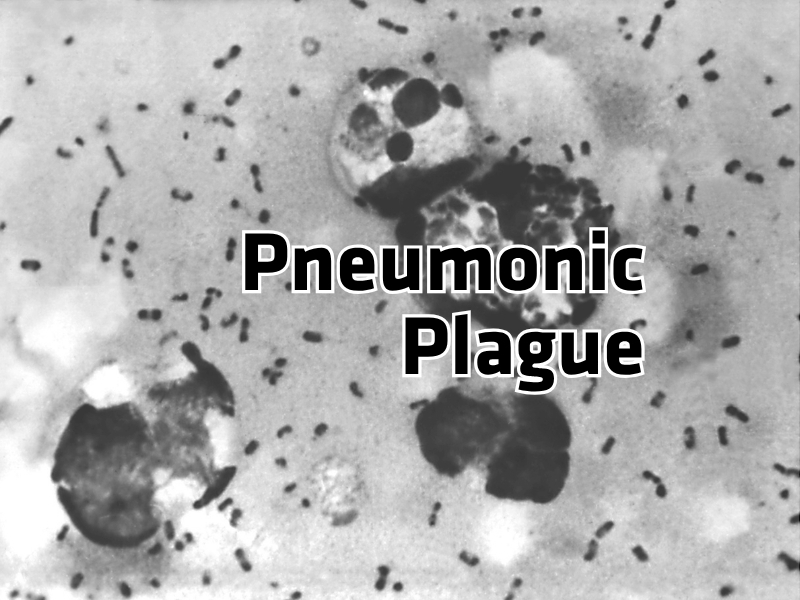
What is the Pneumonic Plague?
What is the Pneumonic Plague? Plague is an infection caused by the Yersina pestis bacteria and has three main forms: bubonic, pneumonic, and septicemic.
Pneumonic plague is the rarest form of the disease, but it is also the most virulent and the most dangerous, spreading through respiratory particles.
Antibiotic treatment is effective against plague bacteria, so early diagnosis and treatment can save lives.
ADHD Awareness Month
October is ADHD Awareness Month!
To learn about the history of ADHD and facts related to this neurodivergent disorder, visit the ADHD Awareness Month site for resources, information, and more!
On that note: Let's talk about ADHD Medication
Student Health Services offers ADHD screenings and diagnosis, as well as treatment and medication. With the holiday break around the corner, don't wait until the last minute to fill your prescriptions! Call us at 316-978-4792 or visit the myShockerHealth portal to request refills.
How can you tell if your ADHD medication is working? Before starting medication, you should work with your provider to come up with a list of four or five target symptoms that can be measured to see if will help after you start taking them. Here's a guide to ADHD medication.
You can track symptoms like:
- Procrastination
- Restlessness, fidgeting
- Distractability
- Emotional overreactions
- Impulsivity
- Comprehension, reading speed, retention
- Completing "boring" activities through to the end
- Misplacing things or scattered tracking of objects/belongings
- Symptoms that are known to not be as changed by medication may include: Organization, time blindness, forgetfulness, argumentativeness
Check for early signs of breast cancer, do self exams
Know your own breasts! The easiest way to detect an abnormality in your breasts, is to have a good relationship with them to begin with.
Do you know where the lumps or bumps are? The vast majority of breast lumps aren't cancer!
Performing regular breast self-exams are not the best way to detect lumps as imaging is the gold star, but they are still recommended so you are aware of your own body.
Your annual wellness exam with your physician, along with age-appropriate mammograms or ultrasounds, will help you detect changes and are best for your health.
Make October your mammogram month!
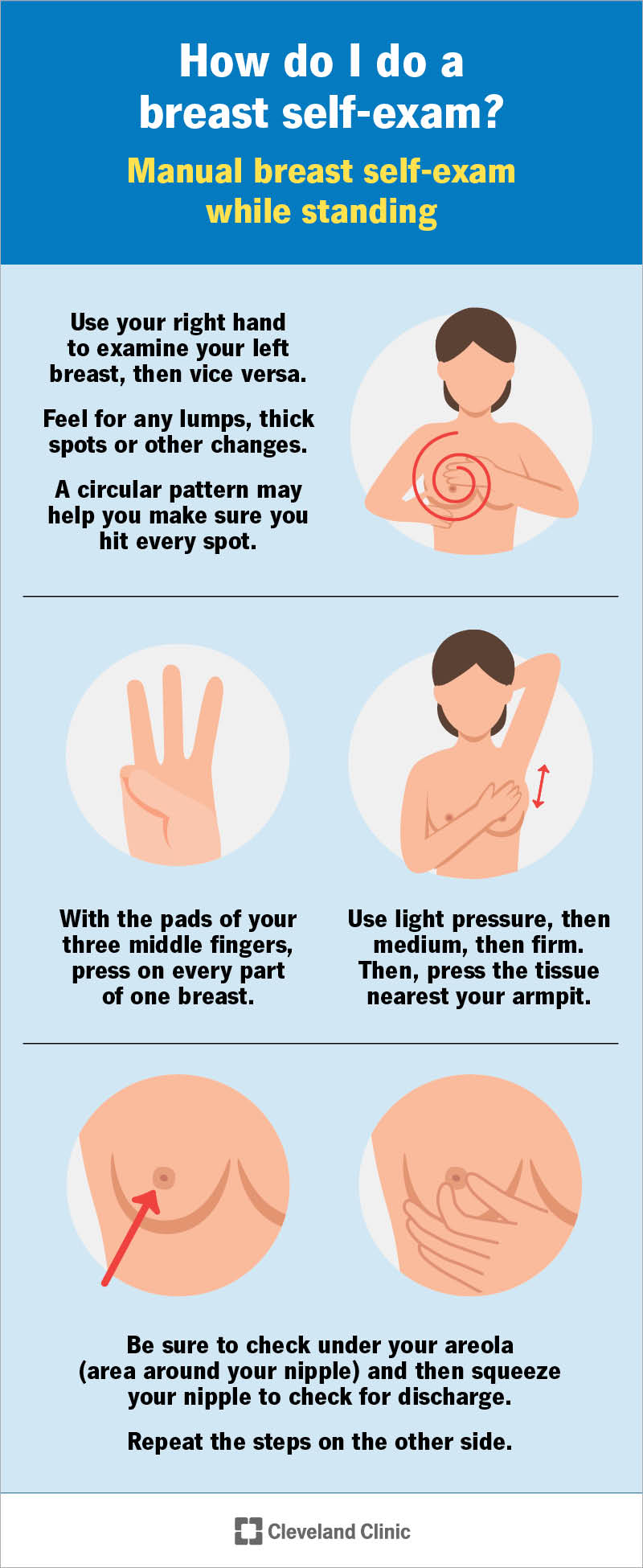
Types of self-exams, from the Cleveland Clinic
|
Standing breast self-exam Many people perform a standing self-exam while in the shower. This is how you do a breast self-exam standing up:
|
Lying down breast self-exam Performing a breast self-exam lying down evens out breast tissue. This makes it easier to feel changes, especially in large breasts. Here’s what you do:
|