


Wichita State University
MyShockerHealth Newsletter • Issue 3 • April 02, 2025
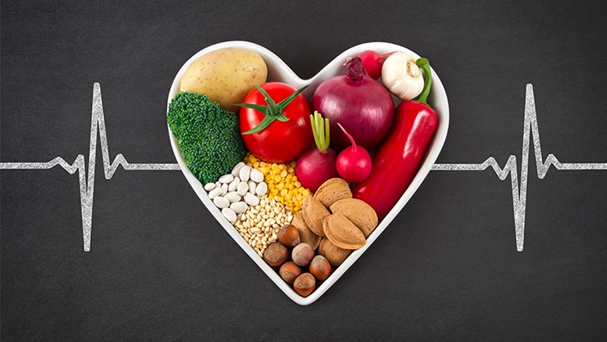
Welcome to the myShockerHealth newsletter!
Spring Break is over and you are back to the daily grind. BUT FIRST....if you had a great spring break that might have included some unprotected sex.....then you should read our highlights for this month! Next time, remember to wrap it before you tap it! (Condoms available for free at Student Health.....just sayin')
Links to the most current newsletter will be posted through WSU newsletters, social media, and our website, wichita.edu/shs. Enjoy!
For content requests: student.health@wichita.edu
Unprotected Sex and STI Testing
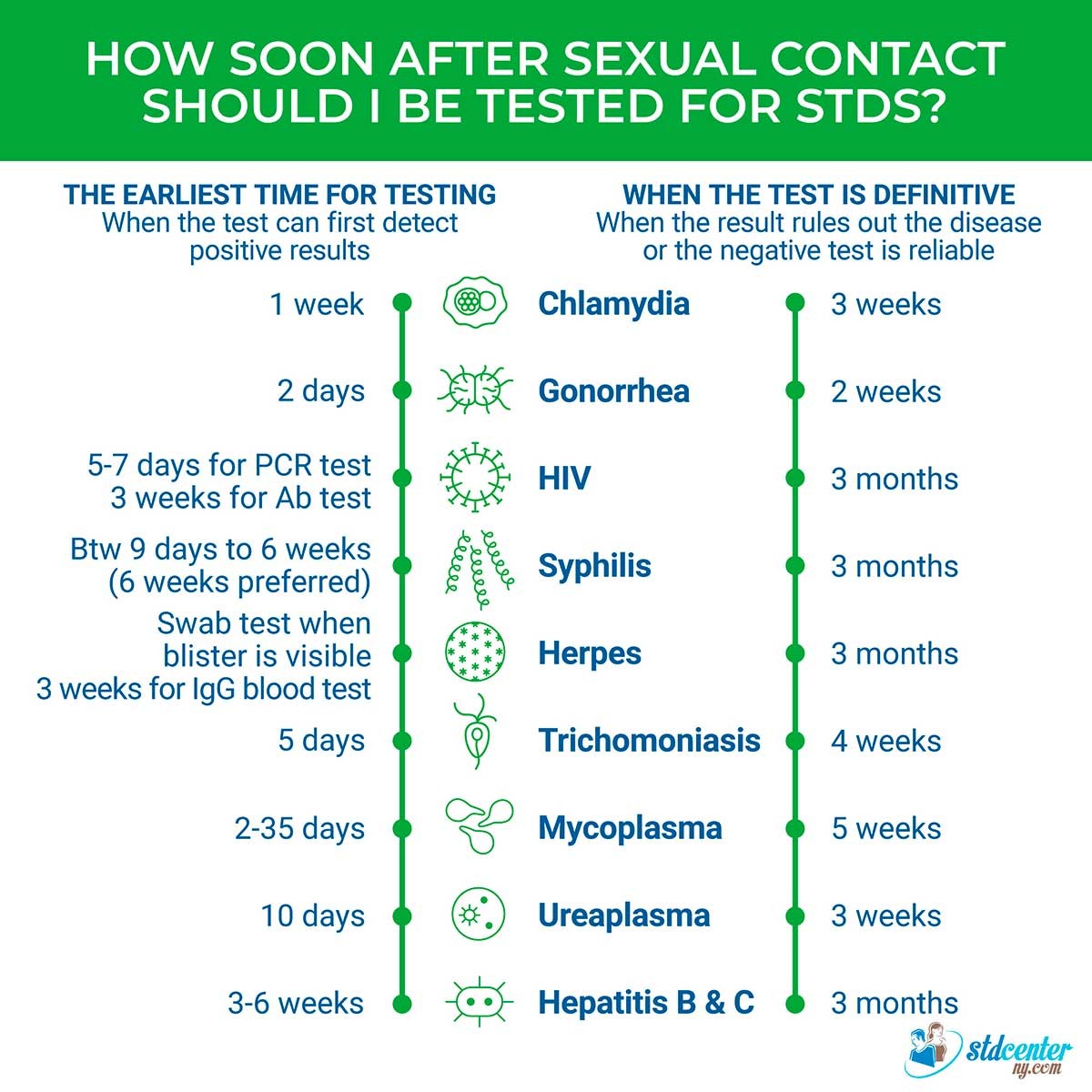
When is the best time to get tested for Sexually Transmitted Illnesses? After sex, or more importantly, after unprotected sex. This graph is a good tool for when you should be screening for STI's. However, always test sooner when experiencing symptoms.
FREE Sexually Transmitted Testing at Student Health
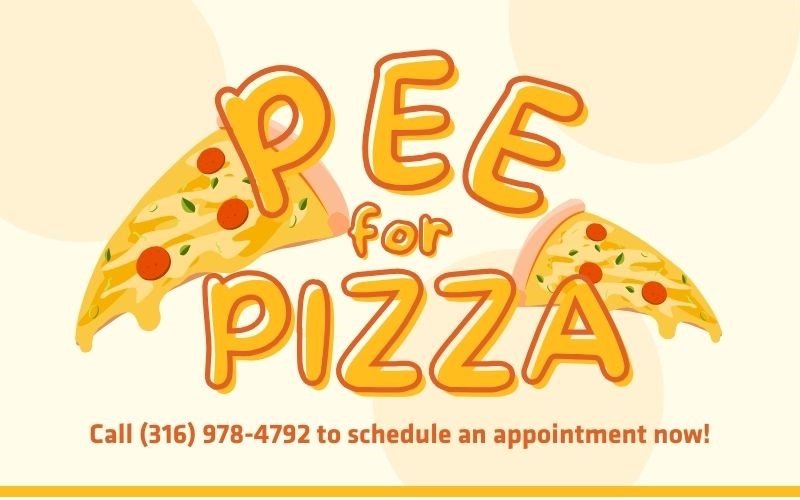
April 2nd and April 17th are our next FREE sexually transmitted testing events, Pee for Pizza. You get free pizza after submitting a urine and blood specimen for 5 different STI tests. Make your appointment today through our portal! Student Health Services can treat for all STI's and if you are positive, we can prescribe medications for treatment.
April is Sexual Assault Awareness Month!
Meet the new WASAC student advocate at WSU! We are excited to introduce Jess McCoy from the Wichita Area Sexual Assault Center (WASAC). Jess is a sexual assault victim advocate that is trained to support sexual assault survivors through the aftermath of a sexual assault. She has on-campus hours in the Student Wellness Center.

Employee Corner
- April 9, 2025 - State of Kansas EAP Webinar: Relaxation "Micro-Moments" and Winding Down Techniques.
- April 25, 2025 - 11 a.m. - 1 p.m. Netapp Spring E-Waste and Shredding Event (Free at Netapp).
- Music Soothes the Soul! College of Fine Arts has their own event calendar. Check out all of the fantastic opportunities to support our campus community and the arts!
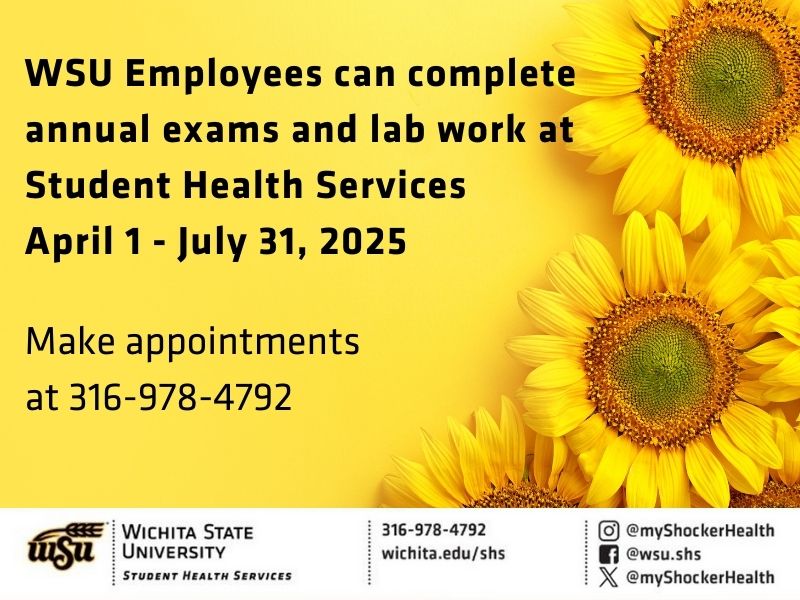
- April 1, 2025 to July 31, 2025 - Schedule your annual Well-Person Physical Exam and laboratory tests. Services to meet your Healthquest discounts can be completed may be free with your State of Kansas insurance benefits. Call for your appointment soon!
"New Sodium Guidelines: Why is this Important?" by Cindy Walker DNP, APRN-CNS-NP-C - SHS Provider
Did you know that the current daily sodium (salt) intake by adults in the U.S. is MORE than the recommended amount of 2000 mg by the US dietary guidelines (which is less than 1 teaspoon or 5 grams)? This is a concern because excessive sodium intake increases your risk of high blood pressure, stroke, heart failure, other cardiovascular diseases, kidney disease, osteoporosis, as well as death. Due to this risk, the American Heart Association recommends no more than 1,500 mg daily for most adults. If you have chronic medical conditions or special dietary needs or restrictions, you should check with your medical provider before making changes in your diet and salt intake. How do we consume excessive sodium? Over 70-75% of the sodium consumed in a diet is thought to come from processed or ready to eat meals and restaurant foods, and not by adding salt yourself. Even though you don't think you eat a lot of salty food, sodium is found in almost all foods. Therefore, it is important to read the Nutritional Facts label (including serving size and servings per container) when purchasing products. Be aware of the package serving size!
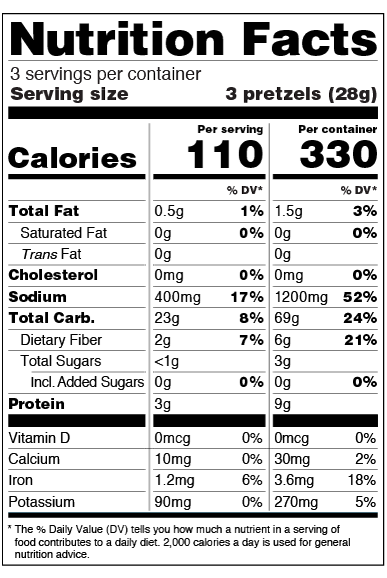
1 serving = 700 mg sodium
6 servings = 4200 mg of sodium
How can you reduce the sodium in your diet?
- Cook your meals at home.
- Choose foods with lower sodium content when eating out.
- Learn to shop for reduced sodium or lower sodium versions of food products.
- Use a salt alternative or substitution. Check with your medical provider!
- Try flavoring foods with herbs and spices based on personal and culture preferences.