


Wichita State University
2024-2025 Annual Report
LETTER FROM THE DIRECTOR
As we reflect on the past year, I’m proud to share how Student Outreach & Support (SOS) has deepened its commitment to student-centeredness. Our mission remains rooted in the belief that every student deserves holistic support—academically, emotionally, and socially. This year, we expanded our reach and impact through strategic partnerships, proactive engagement, and increased accessibility.
One of the most transformative developments has been our strengthened relationship with hospital social workers. This collaboration has significantly improved our ability to coordinate services for students facing complex challenges. By bridging campus and clinical care, we’ve built a more seamless support system that ensures students receive timely, compassionate assistance.
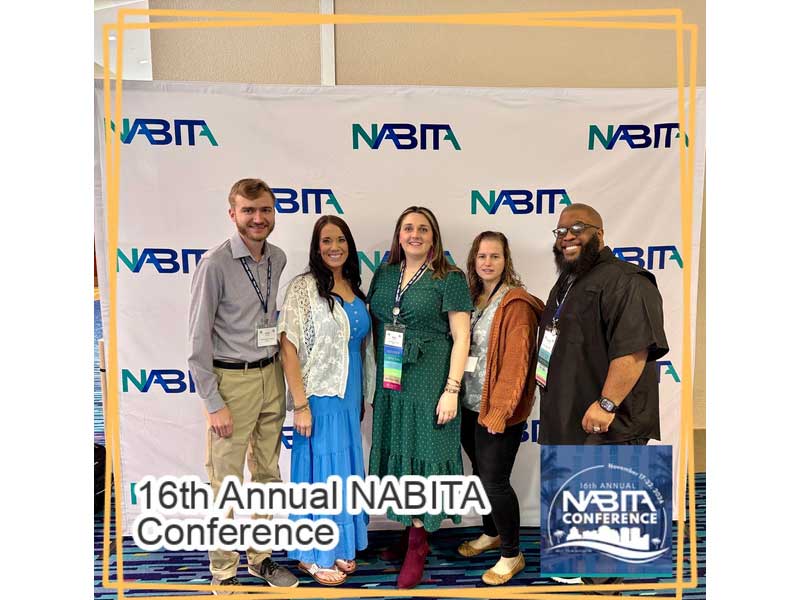
In November 2024, our department had the privilege of attending the annual NaBITA Conference, where we gained valuable skills and best practices in behavioral intervention and threat assessment. One key takeaway we implemented was the Mandated Health Assessment process. By introducing this new procedure and incorporating a posthospitalization health assessment, we are not only aligning with national best practices but also providing an additional layer of support for students returning to the classroom during a vulnerable period. This ensures a smoother transition back to their academic responsibilities.
Our new location in the Shocker Success Center has also enhanced accessibility. The move led to a noticeable increase in walk-in traffic, allowing us to connect with more students who may not have otherwise sought help. This visibility has reinforced SOS as a safe and welcoming space for students navigating personal, academic, or financial concerns.
We’ve also taken a proactive approach to building relationships across academic departments. Through outreach and educational sessions, we’ve established strong
partnerships, and appreciate the confidence staff and faculty have in our ability to deliver meaningful, responsive care to students. These conversations have fostered a shared understanding of student wellness and encouraged a campus-wide culture of care.
Looking ahead, our focus remains clear: to center students in all we do, build bridges within our community, and ensure every student feels seen, supported, and empowered to thrive. Thank you for being part of this journey.
Warm regards,
Katie Davidson
Director, Student Outreach & Support
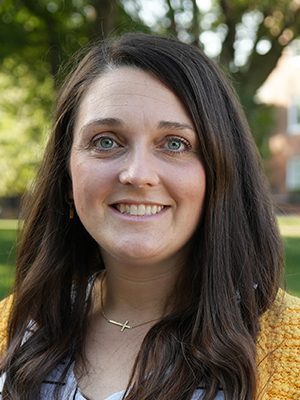
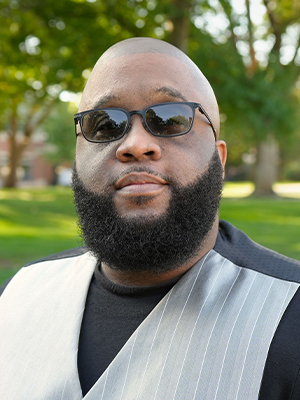
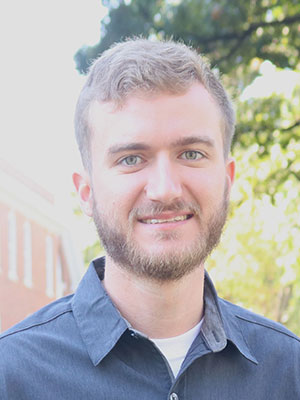
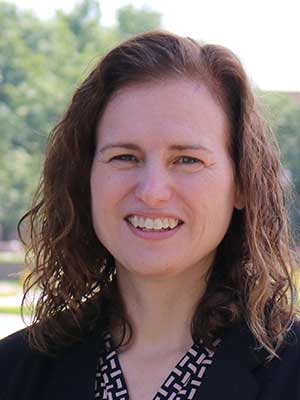
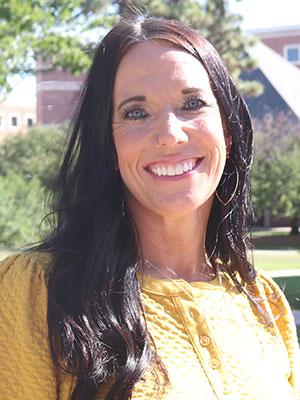
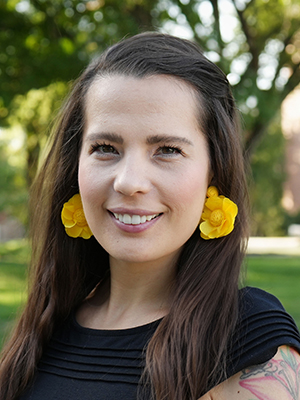
Meet The Team
Mission & Vision
Higher Education Case Managers serve the University and individual students by coordinating intervention and support efforts across campus and community systems. They assist at-risk students who are facing crises, experiencing life stressors, and encountering barriers that impede their success.

At A Glance: Caseload Overview
28% lived on campus (275 students)
34% adult learners (340 students)
.07% athletes (7 students)
8% military, veteran, or dependent (75 students)
3% involved in Greek life (32 students)
SOS At A Glance: Impact Measures
67% (681 students) met with a case manager at least 1x
30% (301 students) were closed non-responsive
3% (37 referrals) declined services
1,511 phone calls were made as a form of outreach.
33 calls were to the hospital for coordination of care for students transported to a higher level of care.
9 calls were to ComCare Community Crisis to coordinate care.
Letters
- 3,109 letter sent through Maxient
- 1,498 letters picked up
- letter retrieval rate of 48.18%
- average letter retrieval time: 23 hours
Time
- average time to create a case: 8 hours
- average time until first outreach: 8 hours
- average duration for an open case: 17 days.
192 SOS referrals received through Navigate.
42 SEAS alerts
3 Raise Your Hand
147 Navigate Intake Survey
SOS participated in 16 C.A.R.E. Team meetings, assessing safety and wellbeing of individual students and the campus community. SOS hosted 12 Students of
Concern meetings with Housing and Residence Life (HRL) staff, assessing and addressing common mild severity concerns within students residing on-campus.
SOS At A Glance: Presenting Concerns & Risk Trends
Top Concerns Reported
1. 361 students expressed direct statements indicating distress
2. 274 students expressed hopelessness, fear, or worthlessness
3. 229 students reported a deterioration of quality of their work
Unique Risks
- 139 students reported suicidal ideation
- 49 students attempted suicide by various means
- 7 students overdosed on alcohol or drugs
- 5 student deaths took place
- 17 students were transported from campus to hospital for illness/injury
- 26 students were transported from campus to hospital/crisis center for mental health
- 108 students reported their basic needs not being met (food, shelter, financial)
4% of cases were elevated to a critical level per the NaBITA Risk Rubric (40 students)
Risk Level at Closing
- 859 mild risk cases
- 75 moderate risk cases
- 21 elevated risk cases
- 8 critical risk cases
AY25 had a recidivism rate of 14.85% compared to AY23 recidivism rate of 16.23%
93 students supported during and/or after hospitalization
62 students hospitalized for illness or injury
30 students hospitalized for mental health
1 student hospitalized for severe alcohol intoxication
SOS At A Glance: Support Provided & Outreach Efforts
- 18 students were supported through Swipe Out Hunger, providing them with meals through the dining hall.
- 13 students received a full withdraw from courses
- 7 students received a partial withdraw from courses
115 students were referred to the Shocker Support Locker
Staff Highlights & Professional Development
The entire department was able to attend the NaBITA conference in Palm Beach, FL. At this professional development opportunity, 4 staff became certified in Non-Clinical Suicide Assessment and one staff became certified in Non-Clinical Case Managment Interventions.
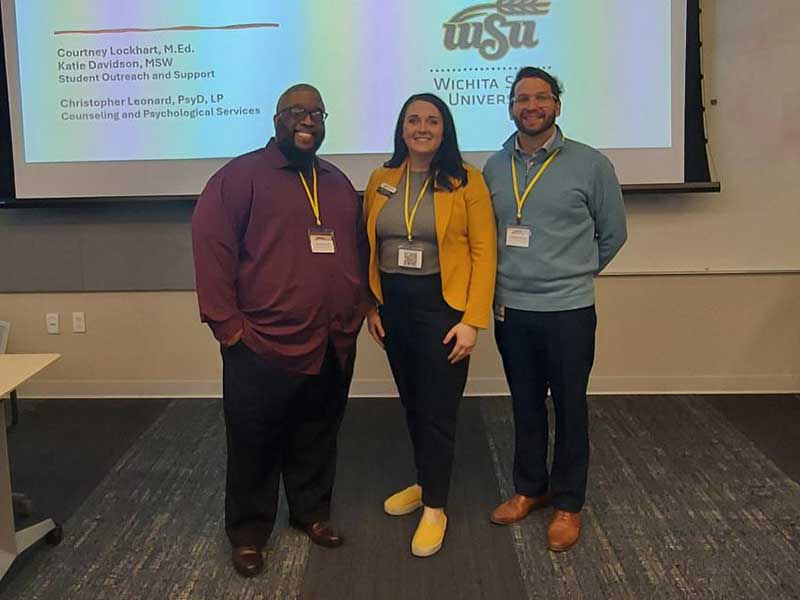
Director Katie Davidson and Lead Case Manager Courtney Lockhart presented alongside Dr. Christopher Leonard at the Shocker S.T.R.I.V.E. Conference on the topic Mental Wellness in the Workplace
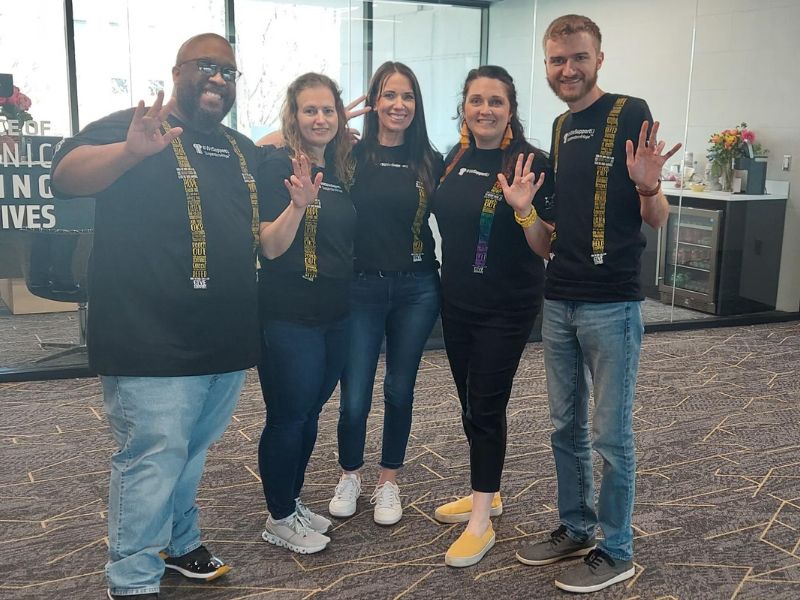
Our department was selected as the AY25 Suspenders4Hope Mental Health Advocates on campus. Recognition will take place in October of 2025.
Applied Learning
SOS received Applied Learning funds through the state of Kansas. These funds allowed us to hire 2 Student Intake Specialist in Spring 2025. Below is a testimonial from student Golam Morshed Khan - our first applied learning student!
Conclusion
Student Outreach Services continues to shape a more supportive and inclusive student experience. By offering personalized guidance and proactive resources, we've helped students overcome barriers to wellbeing and stay on track toward graduation.
This year brought growth in engagement and deeper collaboration across campus. We
faced challenges—from rising mental health needs to environmental stress—but responded
with compassion, innovation, and a commitment to equity.
Looking ahead, we remain focused on empowering every student to thrive. Our work is
driven by their voices, needs, and potential— and we’re ready to keep evolving with
them.
AY26 Goals
- Develop and begin a Masters Level Social Work pipeline for practicum opportunities within our department.
- Increase our out-of-office student engagement programming by 10%.
- Expand our outreach through targeted Navigate campaigns to deliver more personalized, differentiated support to students.