In the 1930s, student dining, recreation facilities, and an auditorium for drama,
music, and convocations were all high on the list of space needs for the new Municipal
University of Wichita. Federal funds provided under the Public Works Administration
made possible the construction of the Wilner Auditorium and Commons building in 1938.
It was later named Wilner Auditorium to honor George Wilner who joined Fairmount College
as head of speech and theatre in 1923. Recreation and food services were also part
of the building until 1959 when the Campus Activities Center (now Rhatigan Student
Center) opened.
Wilner Auditorium is a 553-seat auditorium now mainly used for theatre and dance applied
courses and productions. The Commons space is a central gathering area for the building
and sports new furniture due to the generous donations from the Performing Arts Angels
and the College of Fine Arts. The basement includes a university classroom, a pit
theatre/acting studio, dressing rooms, and a makeup classroom. The second floor includes
more classrooms and a design room. The costume shop is located on the second floor,
and a substantial amount of costume storage is located on the 3rd floor. The costume
stock is annually rented by many Wichita area community theatres and high schools.
Eleven faculty offices, including the director of the school and one office for adjunct
faculty, are in various locations in the building. An additional small office and
conference room are utilized by students, faculty, and staff.
In 1983, a new recreation building (the Heskett Center) was opened and local businessman
Harry Litwin donated money for a new dance studios and small theatre to be part of
the building. The Litwin Studio Theatre is an applied space for dance and musical
theatre student productions and is also used by university and community groups for
performances.
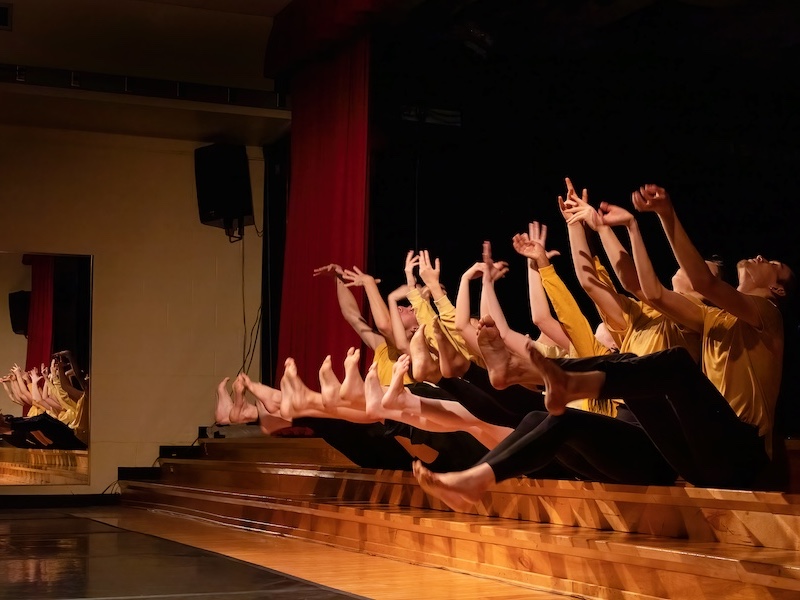
In 1984, the dance studios were opened in the Heskett Center and ready for student use. The first
student concert was performed in 1985. Now, classes for dance, musical theatre, and theatre students are housed in two Heskett
Center dance studios. In 2021, a third studio was added, in collaboration with the
Heskett Center. This shared space boasts of a sprung floor, mirrors, barres, and a
sound system. This space also hosts Heskett Center classes and health courses. Currently,
five faculty offices, including spaces for the program coordinator of dance, two additional
faculty, adjunct faculty, and students are located in the Heskett Center.
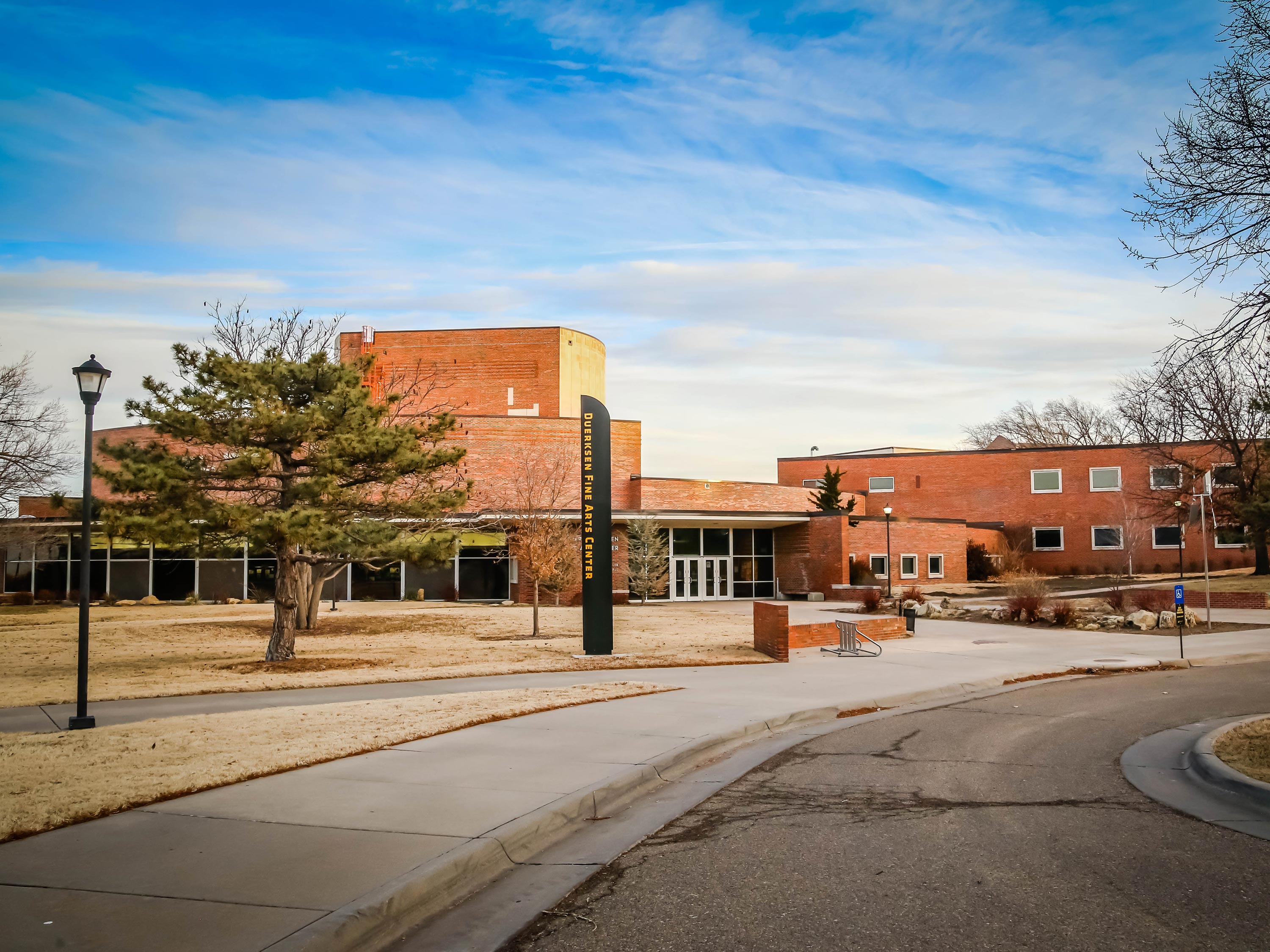
The Duerksen Fine Arts Center (DFAC) opened in 1956 and was designed to house the
activities of the College of Fine Arts. In 1978 the first BFA in Dance was developed and dance was added College of Fine Arts.
With the new degree, classes were housed in the C-9 Dance Studio in the basement of
DFAC. The dance program and studios moved to the Heskett Center in 1985. Currently, the building is primarily for the School of Music and includes the 530-seat
Miller Concert Hall, classrooms, and practice studios.
The Musical Theatre Program offers several classes in the C-9 studio and the Musical
Theatre program coordinator’s office is housed next to the basement studio.
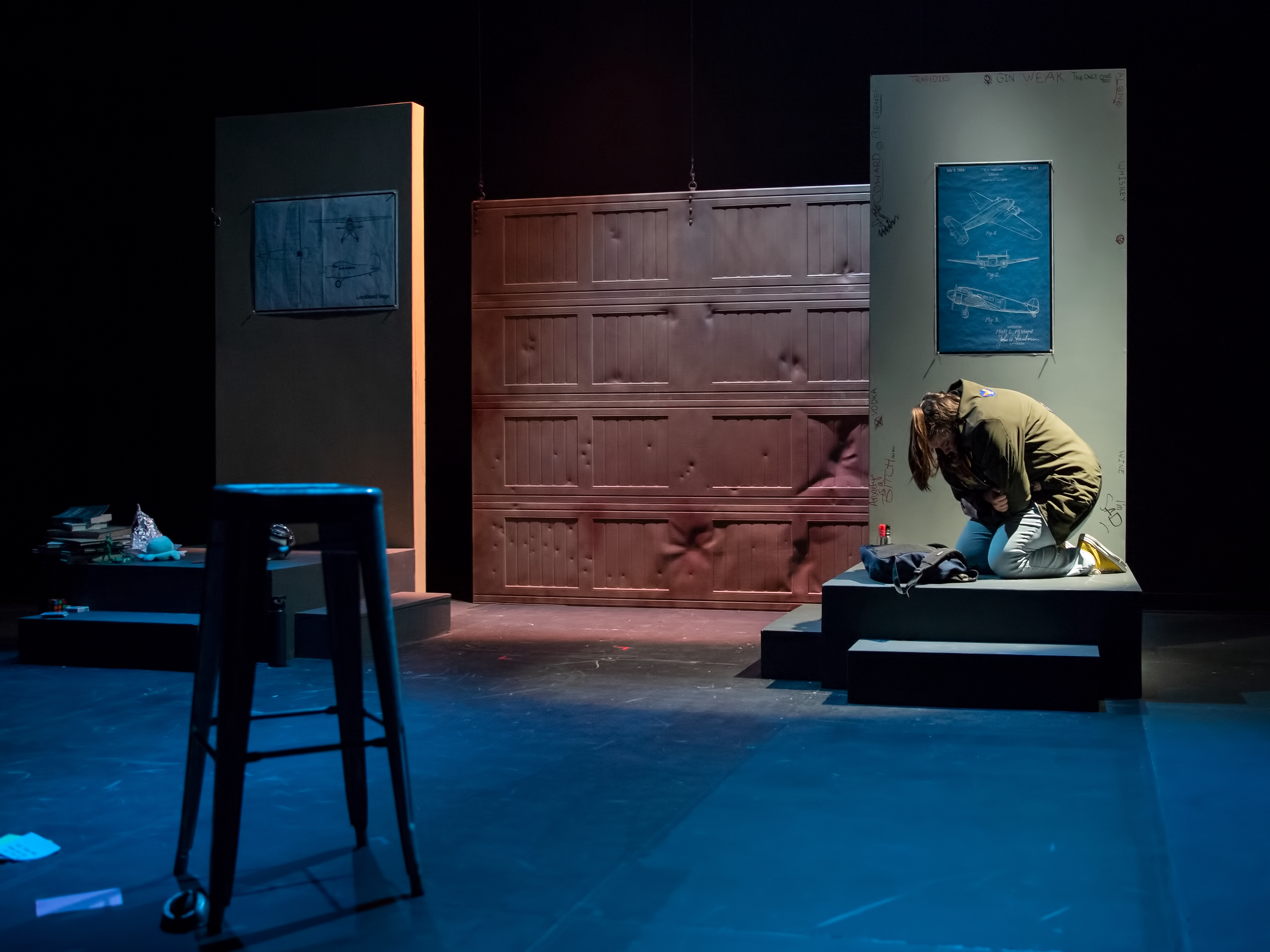
In 1999, the Welsbacher Theatre was established in the Hughes Metroplex, and in 2011,
the black-box theatre, providing a more flexible space for experimental and student-run
productions, was rededicated. As of fall 2022, approximately 50 productions and presentations
have been held here.
This studio theatre includes a small space for dressing and storing properties and
small set pieces. The productions that take place in The Welsbacher Theatre are meant
to enrich culture and arts for the entire campus community.