


Wichita State University
By Cheryl K. Miller
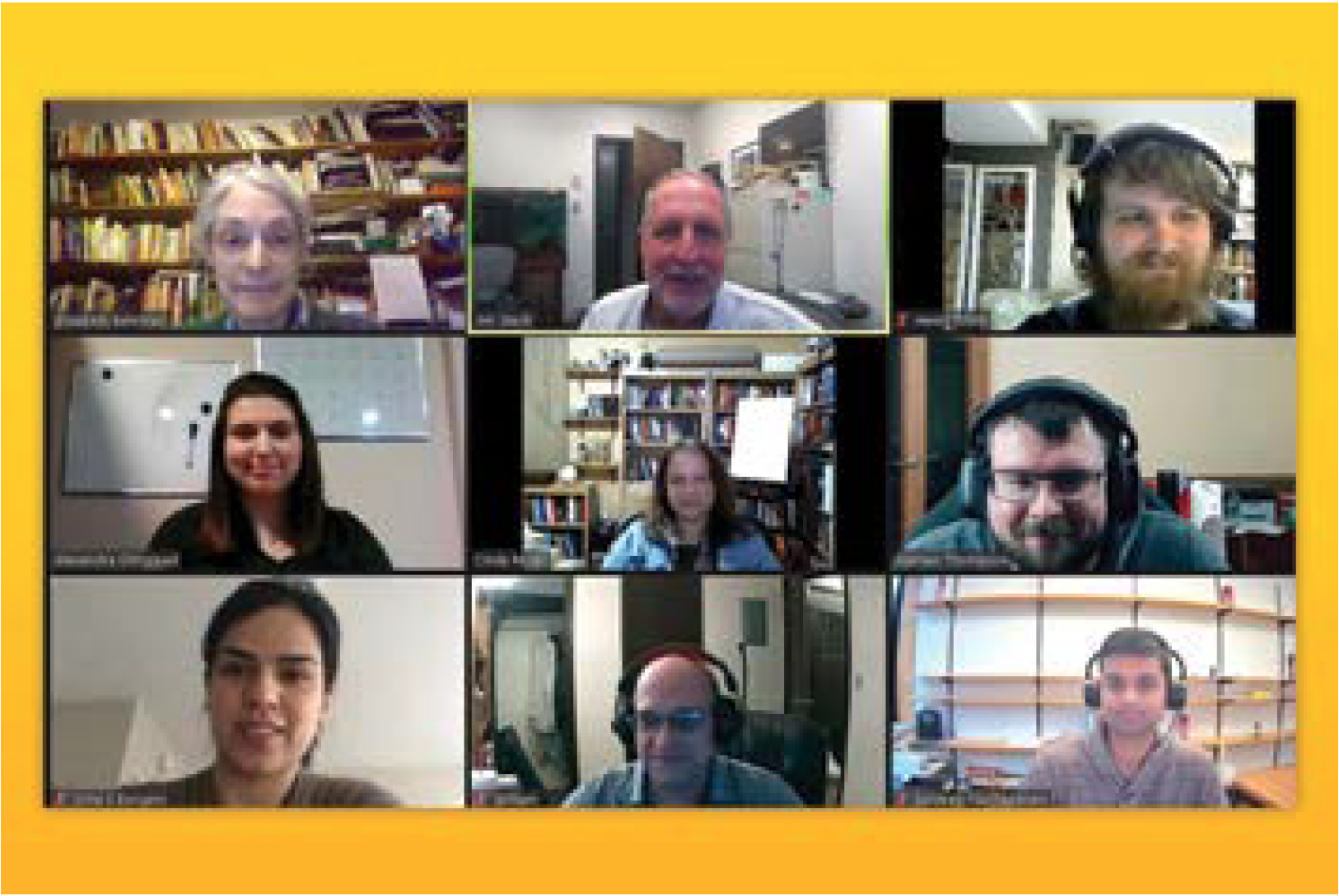
Behrman and Steck meet twice a week via Zoom with the quantum neural networks group.
Elizabeth Behrman, professor of physics and mathematics, is an expert in quantum computing.
She knows how to work with quanta, the smallest physical amounts of energy and matter. Although counterintuitive, quanta can exist in mutually exclusive states simultaneously and interfere with their own paths. Quantum computers take advantage of these abilities to do calculations that are impossible classically. Hypothetically, there’s no limit to how large or complicated a quantum computing system can be.
To put this into perspective, your PC, laptop, tablet and cell phones are well-known examples of classical algorithmic computing. These computers use bits for storing information as binary numbers, each a 1 or a 0. They also operate by follow-ing step by step algorithms. Our daily-use computers are efficient, but there is a limit to their miniaturization and power.
Addressing those limits is where Behrman comes in.
Quantum computing uses qubits, superposition, entanglement and interference to exponentially scale states to unimaginable sizes. A quantum mechanic such as Behrman sees many opportunities for quantum computing, such as processing gigantic, highly complex datasets and sustaining artificial intelligence, such as a neural network.
Behrman has a long research track with Jim Steck, professor of aerospace engineering. The two have collaborated on the possibility of combining quantum computing with artificial neural networks, which mimic the structure and function of the human brain. Behrman said neural architectures are very good at pattern recognition, and have been used for decades for such things as noise reduction, stability control and sonar classification. But until Behrman and Steck’s collaboration, computing had been only classical.
“This research project began about 30 years ago,” Behrman said. “Jim and I were talking about how combining the ideas of distributed processing and neural networks with quantum computing could potentially benefit both quantum computing and neural networks.
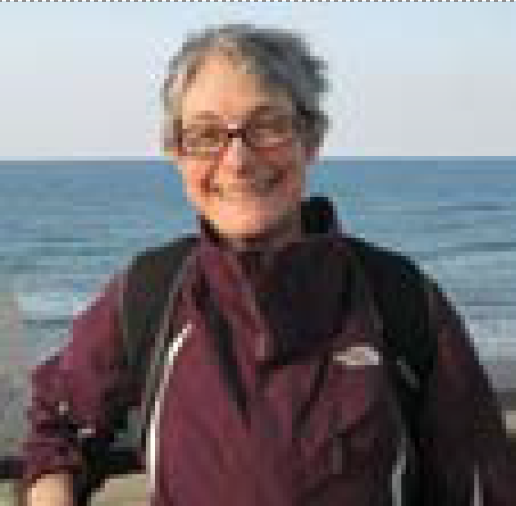
Elizabeth Behrman
“Number one, it would be a quantum computer able to do calculations that are very difficult, or even impossible, to do classically,” Behrman said. “Number two, it wouldn’t need to be programmed; you could use quantum machine learning. Number three, you would not need to do all the wiring (of the multiple connections), and number four, scaling up the size is automatic with a neural network.”
Steck agreed that the use of quantum computing would make supporting artificial intelligence much easier.
“Quantum computing applies the understanding of quantum physics (the behavior of energy and matter at its most basic level) so that computations may be performed at unprecedented speed, solving problems of exceptional complexity that cannot be solved by conventional computers,” Steck said.
Behrman said a big advantage to quantum neural networks over algorithmic quantum computing is based on the fact that artificial neural networks are famously robust to noise, decoherence and incomplete and damaged data.
“That’s a big problem with quantum computing,” Behrman said. “The algorithmic quantum computers deal with noise and decoherence by having extra parts of the computing system, called ancillary qubits, used for error correction. It’s a laborious process and the number of ancilla necessary grows hugely with the size of the computer. If you do that as a quantum neural network, the multiple interconnections give you the robustness that you need, and since the number of interconnections goes up as steeply as the problem, this kind of takes care of things.”
Possible applications
As Behrman and Steck work on the problems of pairing artificial intelligence and quantum computing, the possibilities for its application are endless. According to a recent builtin.com article, quantum computing could be also applied to cybersecurity, financial modeling, weather forecasting and climate change, electronic materials discovery, and many other areas.
Another potential area for application is with military communication.
“Quantum communication is the application where the input and the output for your quantum computing are actually spatially separated,” Behrman said. “So suppose I want to communicate to you up in a satellite and I want to do it in a completely secure way.”
With quantum communication, she said, one can tell when they’ve been eaves-dropped on. An arbitrary quantum state does not allow for cloning, she said, so if there were an eavesdropper, the presence of the eavesdropper becomes detectable.
Behrman is writing a white paper for the U.S. Department of Defense.
“I’m proposing that our methods of machine learning will make it possible to do a quantum repeater that is robust, so that I can transfer the incoming signal to the next station in a way that cleans up the noise and decoherence that’s been picked up along the way,” she said. “I’m hoping the military’s interested in that.”
Faculty spotlight: Elizabeth Behrman
Elizabeth Behrman is a chemist and a mathematician. She’s also a physicist and an engineer. As a quantum mechanic, her goal is to make the possibility of macroscopic quantum computing a reality.
She became interested in science and mathematics at a young age, even more so after having been told girls couldn’t be part of them.
During college, she applied to law schools and graduate schools in mathematics, chemistry, physics and engineering.
“I thought, ‘Well, I’ll just let the gods decide where I go,’” Behrman said. “’I don’t know what I want to do, but I’ll just apply to the top places and then wherever I get in that’s where I’ll go.’ There’s the Yiddish saying ‘Man plans and God laughs,’ so ‘Woman plans and God laughs.’ I got in lots of places, of course.”
She earned a bachelor’s degree in mathematics at Brown University. She then went on to complete a master’s degree in chemistry and a doctorate in physics at the University of Illinois.
Despite her qualifications, sexism was a strong current in her academic experiences.
“I know things are probably a lot better now, but when I was doing my Ph.D., the bosses would say things about women graduate students right in front of us, and there weren’t that many of us, either,” Behrman said. “I asked myself why am I taking all this? I’m smart, I can do anything I want.”
She’s happy with her choices to pursue science degrees and in retrospect doesn’t think she would have made a happy lawyer.
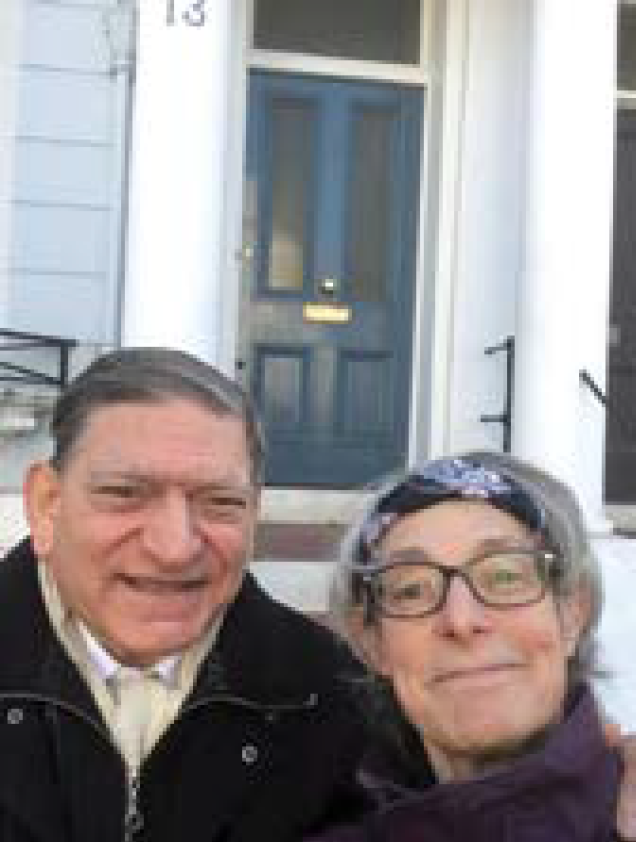
Judah Kogen and Elizabeth Behrman
“It’s so much more fun actually creating new knowledge than making huge piles of money with other people’s stuff,” Behrman said.
When she’s not trying to figure out the mysteries of quantum computing or how the universe works, she enjoys spending time with her adult daughter Jo, her Canaan dog Bella, and her companion Judah.
Dean's message
Dear alumni, faculty, staff and friends,
We recently sent out a survey to the alumni of the college to stay connected, but also to help us understand how a liberal arts and sciences education helped shape their lives. Many of the respondents made explicit the link between what they gained through the Fairmount College of Liberal Arts and Sciences and the successful career path that they have taken. One of our alums said:
“I learned to communicate research to individuals outside of my discipline. This has provided me necessary experience, working with company leaders in various roles.”
While we know the career benefits of a liberal education, such as developing analytical thinkers, strong communicators, problem solvers, decision makers and so on, we need to continually make the case that the educational experience we offer in the college prepares students for a career. More than ever students and their families are questioning the value proposition of a four-year degree. The research tells us that the number one reason they have for attending college is to get a good job. An important part of our response to students and their families is to talk about career benefits of general education, the “power” skills that employers are seeking. But we don’t need to stop there. We can also look at shaping our academic programming to include some of the hard skills that the workforce is demanding.
Recently the Department of Mathematics, Statistics and Physics expanded its offerings to include a master’s in the mathematical foundations of data analysis. This was a direct response to an industry need of experts in big data, especially where there is a gap in the understanding of the mathematical nature of a big data problem and its solution.
In combination with the departments of geology; history; finance, real estate and decision sciences; and criminal justice, the anthropology department is launching a certificate in ArcGIS to equip students in various degree programs with the geographic information skills that are becoming standard in many position descriptions. The Department of English is starting this fall a bachelor’s in applied linguistics with emphases in computing, child development, and education to prepare students to enter multiple arenas.
A particularly exciting initiative involves linking the heart of the humanities to a legal career through our recently approved Legal Education Advancement Program. In partnership with the University of Kansas School of Law, students pursuing humanities degrees in philosophy, history, English, criminal justice or political science will receive a pre-law experience and the means to enter law school one year early. Throughout their time at Wichita State they are integrated into the legal profession through internships, professional seminars, legal instruction and exposure to a local network of legal practitioners through our 20-strong advisory board. The board comprises mostly Wichita-based professionals, many our own alumni, who are ready and willing to support and guide our students as they begin their journey in law. The LEAD program makes the case that humanities has intrinsic value, especially in career preparation. With the board’s help we hope that many of our students select positions in Wichita and the wider area, in alignment with our mission to keep our great talent in Kansas.
We are grateful to our alumni for so much, including for the ways they can help us make the connection between degree and career. Please support us by sharing your own stories, serving in an advisory capacity, and letting us know how students can apply the power skills they are acquiring to a multitude of opportunities.
Yours,
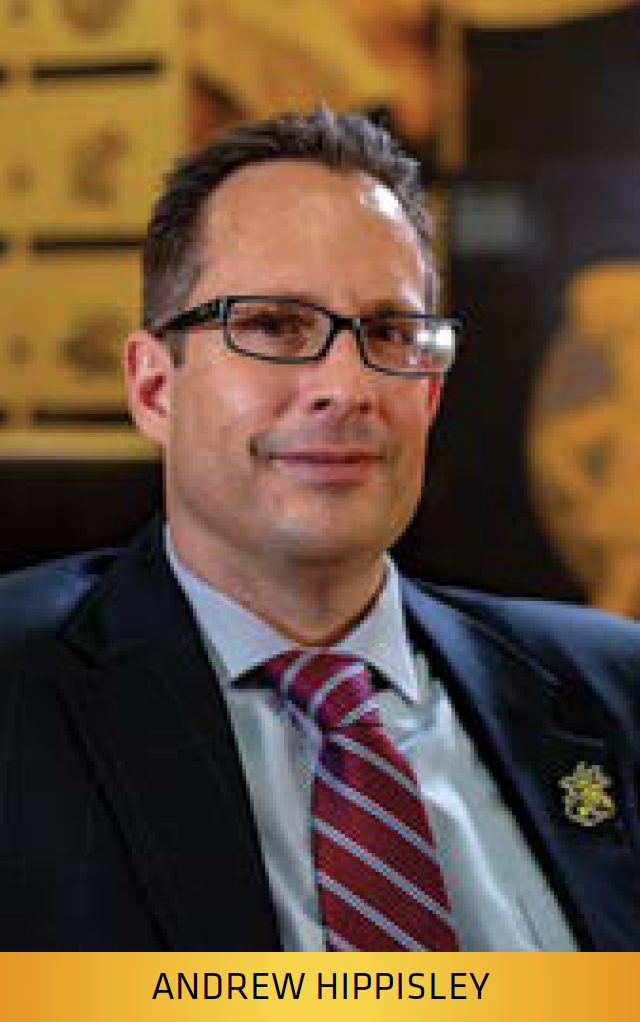
Andrew Hippisley, Dean
In memoriam
DAVID FARNSWORTH, 91, died Dec. 17, 2020. Arriving at Wichita State in 1956, he spent 40 years teaching political science courses, specializing in international politics. In addition, he served in several administrative positions including department chair, director of general studies, interim dean of Fairmont College and associate vice president for academic affairs.
Memorial donations may be made to the American Red Cross through www.redcross.org.
Faculty and staff retirements
- RICHARD ARMSTRONG, ELLIOTT SCHOOL OF COMMUNICATION
- JUDITH BARNES, PSYCHOLOGY
- FRED BESTHORN, SCHOOL OF SOCIAL WORK
- CATHY DOUGHTY, WOMEN’S STUDIES
- DAOWEI MA, MATHEMATICS AND STATISTICS
- DEBBIE MITCHUM, CHEMISTRY
- BILL MOLASH, ELLIOTT SCHOOL OF COMMUNICATION
- GREG NOVACEK, PHYSICS
- PHILLIP PARKER, MATHEMATICS AND STATISTICS
- GLYN RIMMINGTON, GEOLOGY
- PAUL SCHEUERMAN, MATHEMATICS AND STATISTICS
- MARY SHERMAN, ENGLISH
- DEBORAH WILLSIE, SCHOOL OF SOCIAL WORK

Wichita State, KU Law partner to create LEAD accelerated program
By Cheryl K. Miller
Kansas high school students seriously considering a law career can get a year’s head start close to home. Wichita State has entered an agreement with the University of Kansas School of Law to offer the Legal Education Accelerated Degree program, with an anticipated launch of fall 2021.
LEAD students will begin and end their educational journeys together, completing the program with a bachelor’s degree from Wichita State and a juris doctorate from KU.
“Through LEAD, we expect an espirit de corps to develop in the cohort,” Jeff Hershfield, program director and associate professor of philosophy, said. “The program is designed to really acculturate students to the legal profession.”
LEAD students will complete three years of work in one of five liberal arts and sciences areas. When students have met all program requirements, which includes qualifying LSAT scores and a character and fitness test mandated by the state bar association, they are guaranteed a place in the first year of law school at KU, Hershfield said. After the first year, 29 hours will transfer back to Wichita State as general education credits to complete the bachelor’s degree.
In the LEAD program, approved areas for study at Wichita State are criminal justice, English, history, philosophy and political science.
The strong liberal arts and sciences preparation will help students succeed at KU Law.
“Students and families see college as a way of improving their career prospects, and colleges do that in a multidimensional way, introducing hard skills, ‘soft’ or ‘power’ skills such as ethical reasoning and communication, and putting stu-dents on a path to self discovery,” Andrew Hippisley, dean of Fairmount College of Liberal Arts and Sciences, said. “The LEAD program with its explicit goal of preparation for a legal career through a liberal education makes the case for both the intrinsic and practical values of the liberal arts as preparation for life and work.”
The program may also appeal to honors students majoring in one of the five approved study areas.
“I’m confident that honors students will find the LEAD program an exciting, challenging option,” Kimberly Engber, dean of Dorothy and Bill Cohen Honors College, said. “It makes the pathway to a career in law less of a mystery and connects our students to a larger world more quickly.”
LEAD provides support for challenges
LEAD students will benefit from preparatory experiences before they attend KU. Enrollment in Career Paths in the Legal Profession, a one-credit hour course which will feature local attorneys and judges as invited speakers, will expose Wichita State students to different areas of law, current issues and what to expect in law school.
“The class is a chance for students to really get a heads up on what career possibilities will be open to them upon graduation from KU Law,” Hershfield said. “This will equip them to make informed decisions about their career paths.”
As sophomores, LEAD students will be encouraged to volunteer with local law-affiliated organizations such as CASA and Kansas Legal Services. There will also be opportunities for internships with area law firms. Through these experiences and inter-action with attorneys, students will learn about the practice of law and law school.
As juniors, LEAD students will be encouraged to meet with practicing attorneys, attend community events connected to the legal field, and visit KU and speak with KU law students. For more information, visit www.wichita.edu/LEAD3+3
Professor and former student to change reading experience for visually impaired
By Emily Lopez, Fairmount College of Liberal Arts and Sciences media intern
Darren DeFrain, associate professor of English, and Aaron Rodriguez, alumnus, will change the way that the visually impaired experience comic book and graphic novel reading.
DeFrain and Rodriguez collaborated to create the app Vizling, which will benefit the blind, visually impaired and sighted readers.
“Explaining what is happening page by page of a comic or graphic novel to some-one who is visually impaired does not really paint the whole picture,” DeFrain said.
Vizling is a collection of graphic novels and comics, each translated into a language the app can read.
As users glide their fingers across a screen, their movements will trigger hap-tic responses and visual linguistics. Haptic responses will create vibrations to help readers know if they are following along in the correct sequence. Visual linguistics are forms of communication to help describe the actions taking place on the page.
DeFrain and Rodriguez received $11,000 from the John A. See Innovation Award fund. This grant will help with testing and surveying Vizling. These reviews will be conducted at Wichita State University and Florida State University, where Rodriguez is currently working on his Ph.D. in English.
With graphic novel classes becoming more popular on college campuses, DeFrain found that universities hire student workers to transcribe comic books and graphic novels for visually impaired students enrolled in these classes. This process can take about 100 hours to complete.
DeFrain and Rodriguez will keep students involved throughout transcription. As they present the most overt challenges, comic books and graphic novels will be transcribed first. Multimodal texts, especially textbooks, will come second.
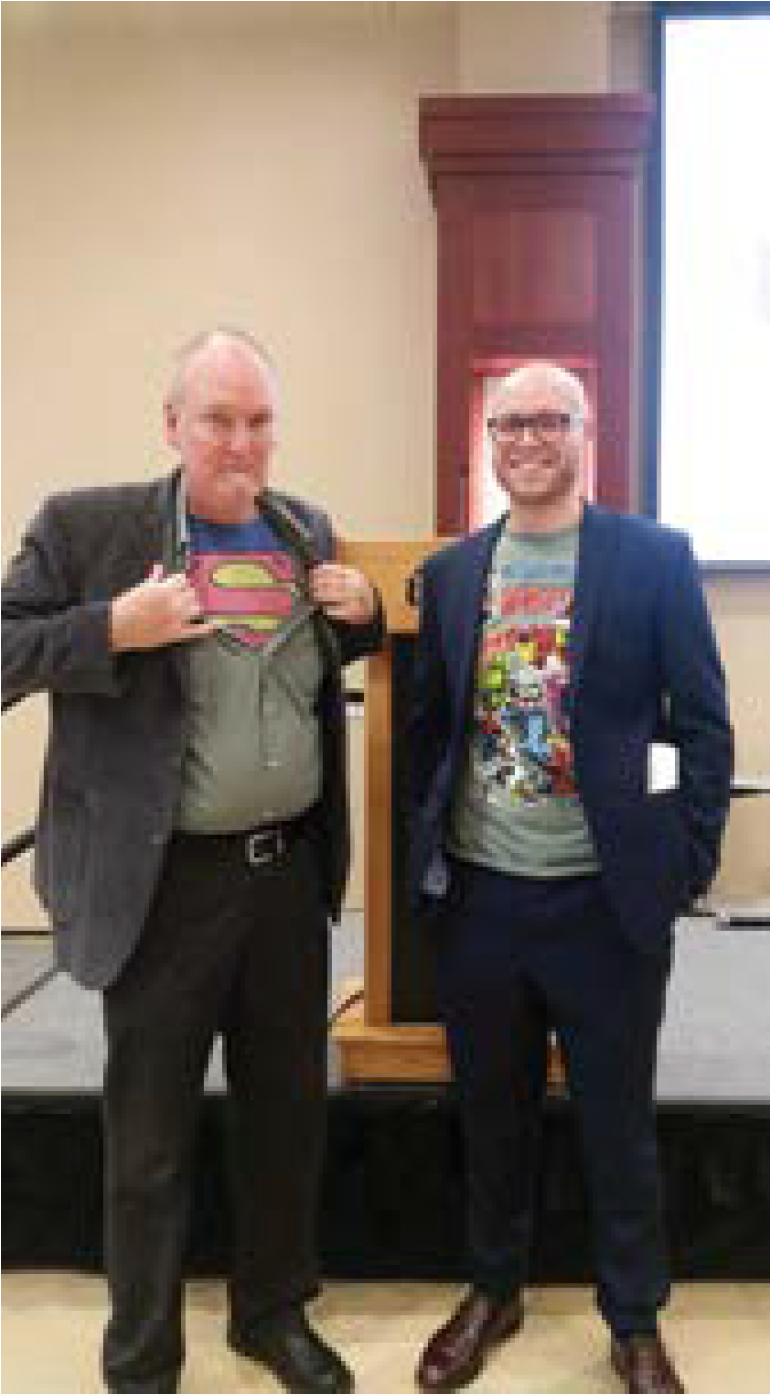
Darren DeFrain and Aaron Rodriguez
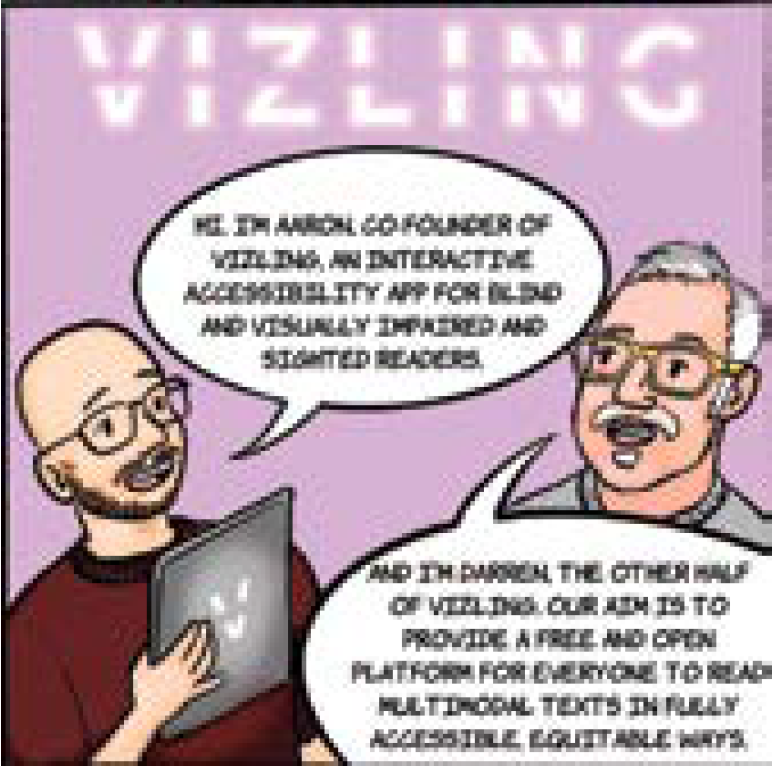
The Vizling app makes graphic novels and comics accessible to the visually impaired. Textbooks will be transcribed next.
“When we get this done, then we have a central location that any school could use as a resource for graphic novels and comics that we have already transcribed,” DeFrain said.
Vizling will help public K-12 schools, col-leges and universities become fully com-pliant with the Individuals with Disabilities Education Act of 1990. By using Vizling, schools will be able to provide materials in an accessible and equitable format.
“There is a sense of urgency with this. If you are teaching at WSU, your class has to be fully accessible, including your materials,” DeFrain said. His courses, Graphic Novels, Advanced Studies in the Graphic Novel, and Digital Humanities, will be immediately impacted by Vizling.
DeFrain and Rodriguez hope that Vizling will be completed within the next two years.
Museum studies students apply knowledge to the aviation world
By Karlee Cooper, Fairmount College of Liberal Arts and Sciences media intern
Cheyenne Stillinger and Larry Papenfuss are flying high with their internships at Spirit AeroSystem and Doc’s Friends Inc.
“In the aviation world, a lot of people think with planes and parts they don’t have to be preserved,” Stillinger said.
“Anything involved needs to be preserved and cared for in the correct manner.”
Stillinger is currently working on a master’s degree in anthropology and the museum studies certificate. For her internship, she is involved with an exhibit on women in aviation. Working on the exhibit gives Stillinger a unique opportunity to honor the women who played an important part in World War II. During the war, Rosie the Riveter was created as a symbol for women in the workforce. Stillinger explains who the iconic symbol represents.
“‘Rosie the Riveters’ were mostly women who helped do the riveting on the planes, using the rivet guns,” Stillinger said. “There were also women who were doing transportation of the parts and equipment throughout the facility. Most of those individuals were previous bus drivers for schools.”
Stillinger hopes the number of women in aviation will continue to grow.
“There’s a lot of jobs in aviation, and not just flying, that I think women should be aware of. The possibilities are endless,” Stillinger said.
Papenfuss is in the museum studies certificate program. He is working on a Smithsonian affiliate application for the B-29 “Doc” aircraft.
“I really wouldn’t have traded this experience for anything. It’s been extremely stressful; it’s a high volume of learning,” Papenfuss said. “It’s a lot of work but the amount of opportunity that it has afforded is priceless.”
Students in the museum studies certificate program complete 15 credit hours of courses including anthropology, history and public information. The interdisciplinary program focuses on hands-on learn-ing, which prepares the students for jobs within a museum.
Rachelle Meinecke, director of the Lowell D. Holmes Museum of Anthropology and coordinator of the museum studies certificate program, explained how getting a museum studies certificate prepares her students for internships.
“They learn how to handle artifacts, how to do cataloging, how to do the day-to-day running of a museum,” Meinecke said. “So, these courses definitely do prepare students. By the time they get to the internship aspect, most of them have already had these other classes, so that helps having that hands-on work.” Papenfuss said the applied learning experience is helpful for students.
“The hands-on component is so crucial to any job that you do and I applaud Wichita State for having that as an opportunity.”
To find out more about the museum studies certificate and how it prepares students for internships and jobs in the museum field, visit www.wichita.edu/museumstudies.
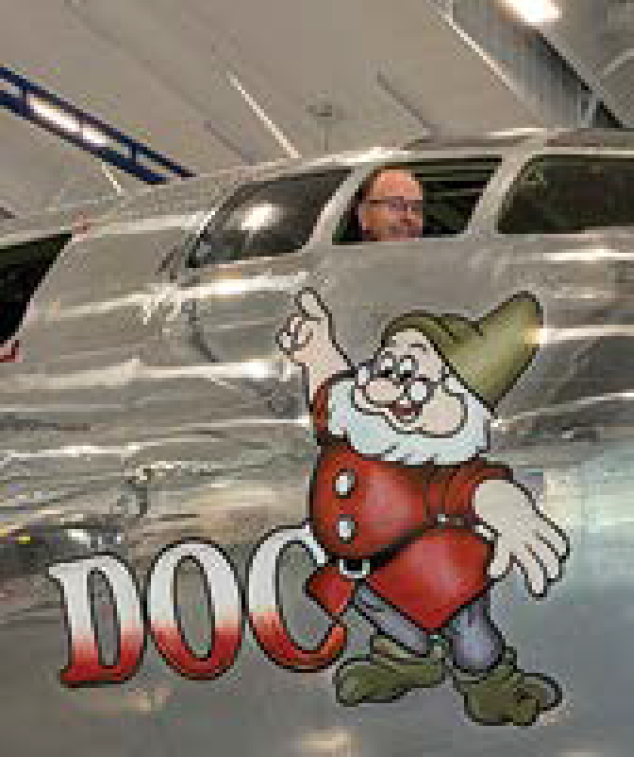
Larry Papenfuss and Doc
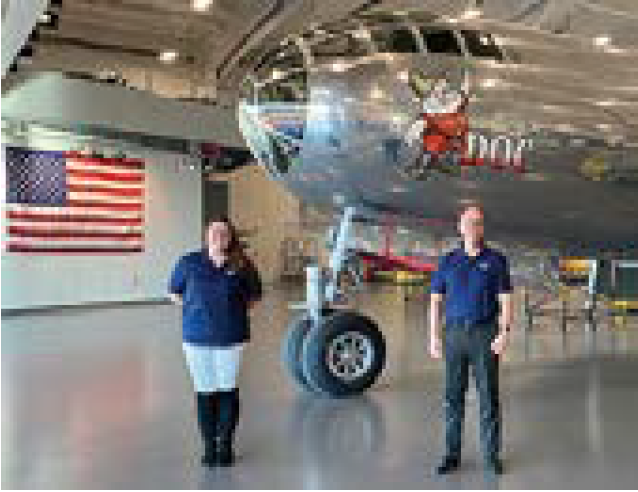
Cheyenne Stillinger and Larry Papenfuss
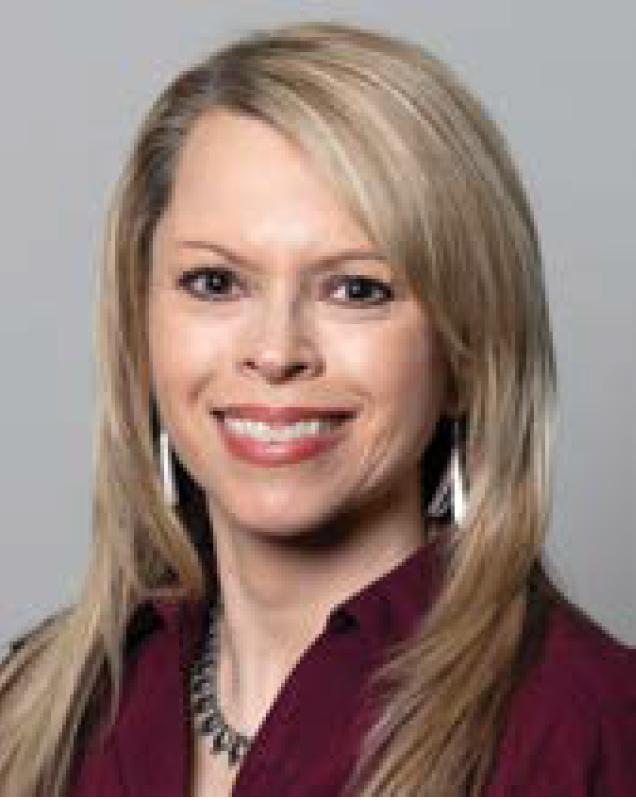
Rachelle Meinecke
Convergence Science Initiative update

Work on projects funded through the Convergence Science Initiative competition is gaining momentum. The centers and institutes have entered the first phase of their funding, with the end goals of addressing pressing societal issues and improving the growth and diversity of Kansas’ economy. At the end of the first three months, each group has made progress toward its goals and is applying for funding external to Wichita State.
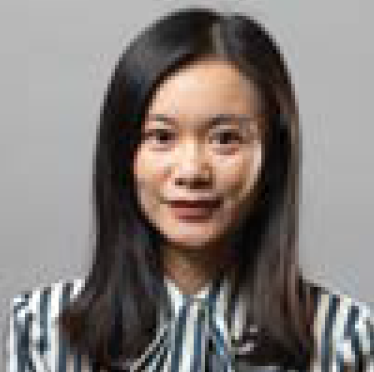
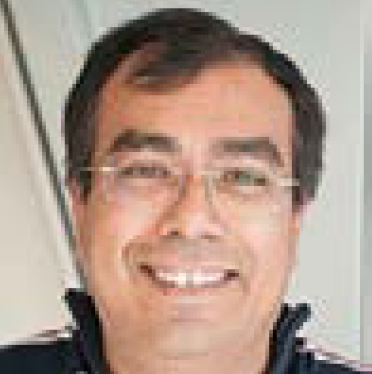
The Smart Fusion Material Research Institute will develop novel computational, material and digital manufacturing approaches to unlock the complex interactions among material, microstructure, processing and mechanical properties involved in additive manufacturing. Lead researcher: Gisuk Hwang, mechanical engineering; Fairmount College faculty: Ruowen Shen and Xiaoheng Wang, public affairs; Tianshi Lu, mathematics; Kapildeb Ambal, physics.
The SFMRI group has printed preliminary stainless steel 630 cubic samples and developed an initial simulation code based on the continuum model of selective laser melting. The group has also developed a preliminary probabilistic classification model to predict the printability of wick structures using 3D printing process parameters. The team has been awarded a grant from the National Science Foundation for $209,287 and an internal grant from Wichita State for $4,500.
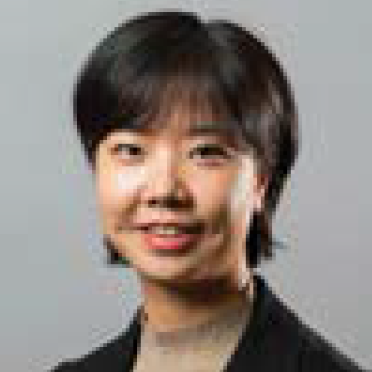
Left to Right: Ruowen Shen, Xiaoheng Wang, and Kapildeb Ambal.
 .
 .
The Disaster Resilience Analytics Center will leverage the university’s expertise in artificial intelligence, deep learning and multiple modes of big data to better predict natural and human- made disasters, and to improve preparedness by creating a new generation of digital platforms and support services. Lead researcher: KC Dukka, electrical engineering and computer science; Fairmount College faculty: Zelalem Demissie, geology; Chase Billingham and Chuck Koeber, sociology; Terrance Figy, physics.
The DRAC team has continued to determine the key data, identify sources of data and collect some data, while also beginning work on transforming, geocoding and analyzing some data. Planning has also begun on curriculum development. This includes establishing a Zotero literature and source database, and outreach to the Wichita State, Wichita and K-12 school communities, as well as with other universities and internationally. An outcome will be a DRAC invited speaker webinar series with presenters from the U.S., Japan, Australia, Nepal and other countries.
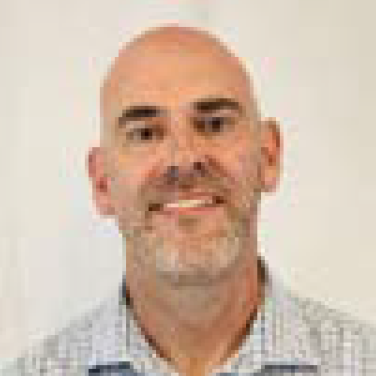
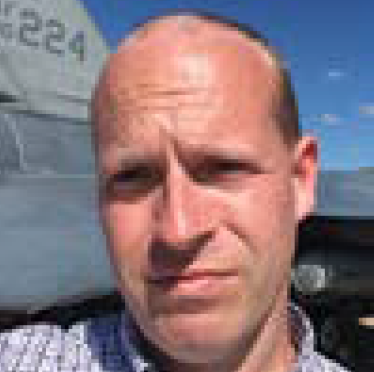
Left to Right: Chuck Koeber, Terrance Figy, Chase Billingham, and Zelalem Demissie.
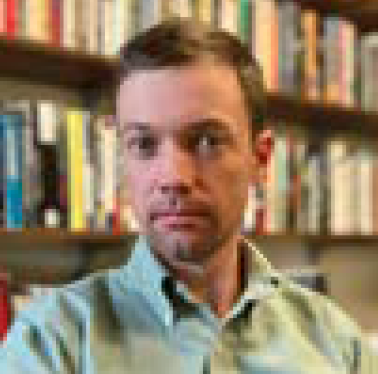
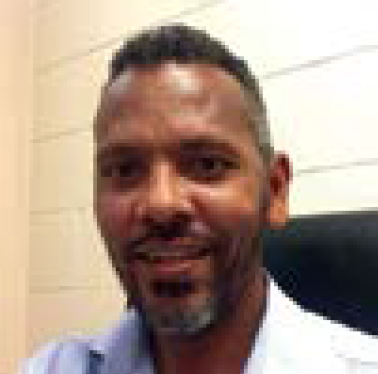
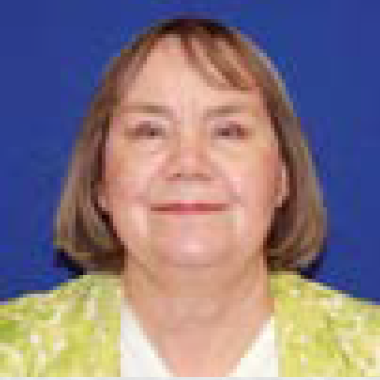
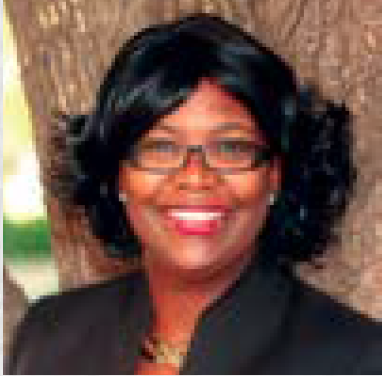
The Institute for Health Disparities will generate new methods to reduce obesity among vulnerable populations and improve health literacy as a mechanism among health care providers for behavior change. Lead researcher: Twyla Hill, sociology; Fairmount College faculty: Rhonda Lewis, psychology.
The IHD group has identified funding sources, obtained secondary data and identified students to serve as graduate research assistants. The team is applying for external funding and engaging in community development, as well as writing articles to fill in the gaps of the literature review it conducted.
Left to Right: Twyla Hill and Rhonda Lewis.
The Center for Educational Technologies to Assist Refugee Learners will focus on designing innovative solutions to meet the educational needs of the children of the more than 70 million forcibly displaced refugees worldwide. As a result, it will also create innovative pathways and software for educational access to those in our state and nation. Lead researcher: Mythili Menon, English; Fairmount College faculty: Andrew Bowman, Intensive English Language Center.
The CETARL group has established a working partnership with five local organizations, leading to the creation of the Refugee Learning and Resettlement Team. The group is in the data collection phase of a refugee learner’s survey. Results will be used to understand the needs and requirements of refugee learners in Wichita.
Photo: Mythili Menon.
Student accolades
- CHAMANDI DAMPALLA, doctoral student in chemistry, was selected for the BioKansas Industry Immersion Program. Participants will interact with the state’s bioscience ecosystem and explore how it operates, through the generous support of regional companies serving as hosts. These experiences will increase participants’ awareness and exposure to different work environments and company cultures, all while expanding their professional networks.
- KAYLA BENSON and CONNOR MITCHELL qualified for the 75th National Debate Tournament. This is the second time Benson has qualified. The NDT is limited to the top 78 two-person debate teams from across the country.
- KATHLEEN BOZARTH, graduate student in English literature, was selected to be the liberal arts and sciences representative on the Graduate Student Council and is one of two students who received the MA in English Fellowship this spring. DAPHNE CAVALLAR, graduate student in English literature, also received an MA in English Fellowship.
- JANET FEDERICO, graduate student in creative writing, presented her paper “Fritz After Dark: Rape Trauma in High Soft Lisp” at the WSU Gender and Sexuality Conference in March, and will present again at the Pop Culture Association/American Culture Association National Conference in June. She was also inducted into the Wheat Shock Leadership Society in March.
- JONATHAN FOLKERTS, doctoral student in applied mathematics, placed as runner up in the Three Minute Thesis® competition with his presentation “nuSol: A Solar Neutrino Detector.” NICK SOLOMEY, professor of physics, is his advisor.
- MACKENZIE GIBSON and NICOLE BLOOMQUIST participated in the American Model United Nations conference in October, and won the Outstanding Delegation Award.
- ELAYNE HOWARD, graduate student in anthropology, published her first journal article, “Effects of acetolysis on starch granules” in the Journal of Archaeological Science: Reports, with faculty mentor CRYSTAL DOZIER, assistant professor of anthropology, and colleague ANGELINA PERROTTI.
- MD IBRAHIM KHOLIL, graduate student in mathematics, won the annual departmental Outstanding Graduate Teaching Award in 2020. This award program recognizes the exemplary contributions made by graduate teaching assistants to excellence in teaching in mathematics and statistics, and is administered by the Department of Mathematics, Statistics, and Physics.
- BLAKE OVERMAN, graduate student in English, presented his paper “Undressing Monstrosity: Medieval Queerness in Marie Dr France’s Bisclavret” at the South Atlantic Modern Language Association 92 conference. He will also serve as the vice chair for the medieval panel at SAMLA 93.
- CHANI PERRET, graduate student in English literature, presented her paper “Teaching Empathy through Novel Selection” at the Johnson County Community College Cavalier Conference in April.
- MORGAN TRIBLE, graduate student in biological sciences, won the Three Min-ute Thesis® competition in November. She presented “Dung Beetles—Turning Poop into Profits!” Her advisor is MARY LIZ JAMESON, associate professor of biological sciences.
- The Washington, D.C./Topeka Internship Program made the following placements for spring 2021: NICOLE BLOOMQUIST, U.S. State Department; GLADYS HEITZMAN, Sen. Jerry Moran (R-KS); ODALIS VICENCIO, League of United Latin American Citizens; ITZIA BARAZZA-CORDOVA, National Migrant and Seasonal Headstart Association; KELSEY HAILE, Lt. Governor David Toland; ROGER RUVALCABA, Kansas House K-12 Budget Committee; THOMAS RAFTER, Watkins Public Strategies.
- THE SUNFLOWER (student newspaper) placed in the National College Media Convention in October. The paper won 1st place, Best of Show for both print and news websites, competing against all student newspapers attending the virtual convention. AMY DEVAULT, senior edu-cator in communication, is the advisor.
- Three Wichita State students presented at the virtual Kansas Undergraduate Research Day in March. BARRETT HOUCHEN, biological sciences, presented “Investigating the Spatial Structure of Macrophomina phaseolina and its Correlation with Biotic and Abiotic Factors in a Native Tallgrass Prairie Community.” GREG HOUSEMAN, associate professor of biological sciences, is his advisor. SHAMIR KHAN, chemistry and biochemistry, presented “Improving Personalized Medicine Through Systematic Protein Engineering of LDH.” MORIAH BECK, associate professor of chemistry, is his advisor. ALEXANDRA OLMSTEAD, physics, presented “Computerized Sentence Building as a Therapy Tool for People with Aphasia.” Her advisors are ERIN O’BRYAN, assistant professor of communication sciences and disorders, and DR. HUABO LU, assistant professor of electrical engineering and computer science.
Left to Right: Chamandi Dampalla, Mackenzie Gibson, Nicole Bloomquist, Barrett Houchen, Shamir Kahn, and Alexandra Olmstead.
Faculty accolades
- BRIAN AMOS, assistant professor of political science, provided 2020 Kansas election data for The Upshot, The New York Times’s data journalism site. Amos is part of its Voting and Election Science Team.
- CHASE BILLINGHAM, associate professor of sociology, was appointed to the editorial board of Sociology of Education, the official education studies journal of the American Sociological Association.
- CHARLES BURDSAL, professor of psychology, was named a Southwestern Psychological Association Fellow. This status is the highest honor SWPA can award a member. Selection requires evidence of significant contributions to the discipline of psychology and/or service to SWPA in terms of scholarship, productivity, leadership and visibility.
- TERRANCE FIGY, assistant professor of physics, has been designated as the director of Wichita State’s High-Performance Computing Center.
- BILL GROUTAS, WSU Foundation Distinguished Professor of Chemistry, was featured in the February edition of Ingram’s, Kansas City’s business magazine, as a 2021 Icon of Education. Groutas was honored among six educators and industry professionals from Missouri and Kansas.
- AIMEE LEISY, associate teaching professor in intensive English, was appointed to the Mid-America Teachers of English to Speakers of Other Languages Board as program chair for its annual conference. MIDTESOL is a regional affiliate of TESOL International Association, and includes Iowa, Missouri, Kansas and Nebraska.
- ALEXANDRA MIDDLEWOOD, assistant professor of political science, is serving on the executive board of the Great Plains Political Science Association and on the executive committee of American Model United Nations.
- CHERYL MILLER, senior assistant dean for academic and staff operations, won five awards at the Kansas Professional Communicators conference in April. Of the awards, the three first place entries in editing, feature writing and public relations will go on to competition in the National Federation of Press Women contest.
- PAT PROCTOR, assistant professor of criminal justice, was elected to the Kansas State House of Representatives District 41.
- JIM SCHWARTZ, assistant professor of philosophy, delivered an invited plenary talk to the IEEE Aerospace Conference.
- SUSAN G. STERRETT, Curtis D. Gridley Distinguished Professor of History and Philosophy of Science, has been invited to speak at the International Wittgenstein Symposium 2021 in Kirchberg am Wechsel, Austria, to be held August 8-14. The IWS is one of the largest annual conferences in analytic philosophy.
- RICHARD TRAVERZO, associate educator in mathematics and statistics, contributed to a feature on KSN-TV about the physics of moving flood water during the statewide Severe Weather Awareness Week.
From Left to Right: Charles Burdsal, Bill Groutas, Alexandra Middlewood, and Susan G. Sterrett.
Annual report
Academic initiatives
Aug. 1, 2020 – July 31, 2021
- Undergraduate certificate in ArcGIS
- Undergraduate certificate in Latin American and Latinx Studies
- Graduate degree in Mathematical Foundations of Data Analysis
Academic programs offered
Aug. 1 – July 31, 2021
- 3 - Doctorate
- 17 - Master
- 42 - Bachelor
- 1 - Associate
- 23 - Certificates
The Fairmount College of Liberal Arts and Sciences continues to grow and provide new academic program offerings.
Our graduates complete their programs having gained the hard-earned skills of critical thinking, analyzing, problem solving, collaborating, listening, and communicating. Our students are equipped to pursue a lifetime of fulfillment in the workplace and in society.
About the college
Sept. 14, 2020
- 37 Student Organizations
- 7 Centers and Institutes
- 17 Departments
- 5 Humanities
- 8 Social/Behaviorial Sciences
- 4 Natural Sciences/Mathematics
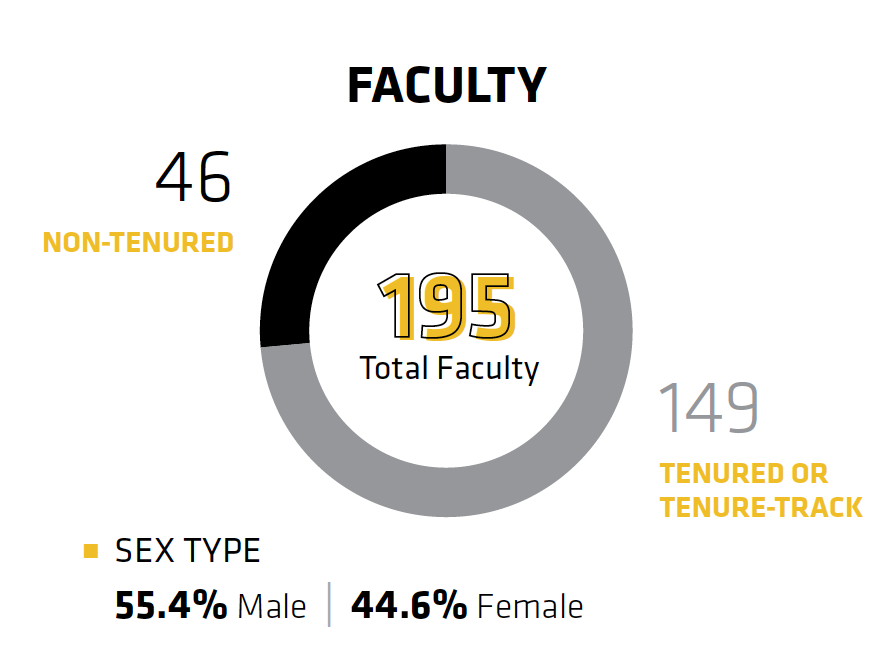
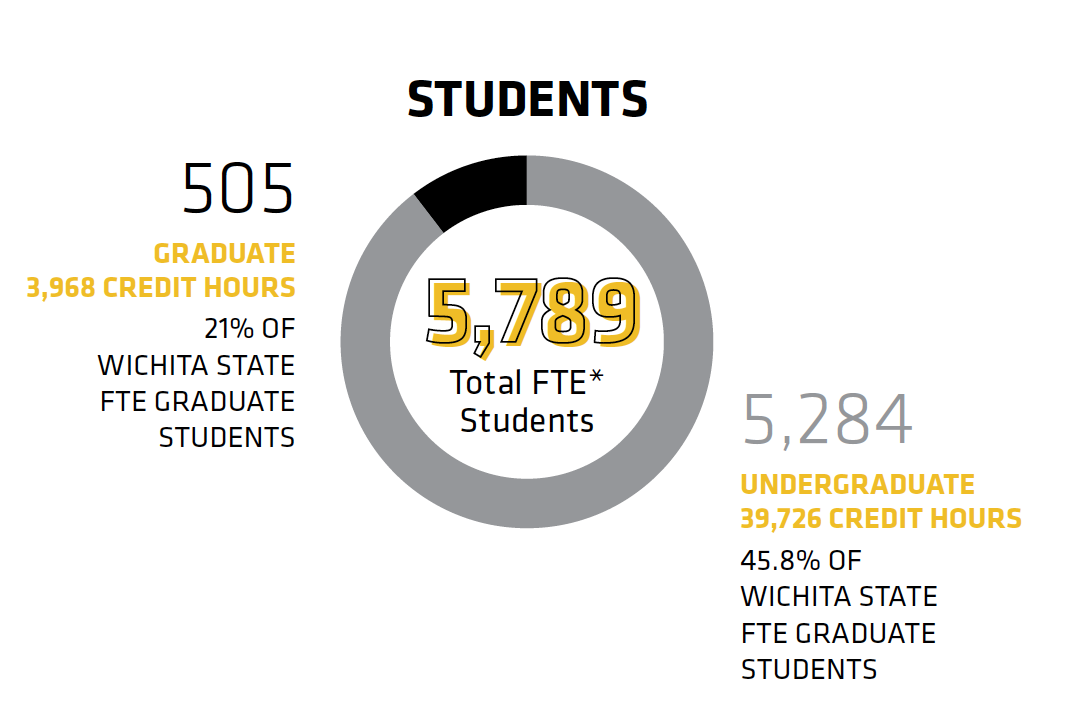
As the largest college at Wichita State University, we offer the greatest diversity of programs. From anthropology to women’s studies, students can find something to fit their interests. For those wanting a more individualized program of study, academic advisors can help students tailor a bachelor of general studies degree or a field major, both of which include focus on three content areas.
Major headcounts
SEPT. 14, 2020
- Humanities | 308
- Natural Sciences and Mathematics | 736
- Social and Behavioral Sciences | 2,054
- LAS Other* | 1,922
* Interdisciplinary bachelor of general studies and field majors, undecided, intensive English and guest students.
Degree production by college division
AUG. 1, 2019 – JULY 31, 2020
- Humanities | 89
- Natural Sciences and Mathematics | 136
- Social and Behavioral Sciences | 592
- LAS Other* | 82
* Interdisciplinary degrees, bachelor and associate degrees not affiliated with a department.
Ways we support students outside of the classroom
Liberal Arts and Sciences Advising Center contacts
JAN. 1 – DEC. 31, 2020
- In-person and virtual appointments | 6,552
- Triage meetings with students | 143
- Campus visits | 75
- Telephone calls received at front desk | 9,036
- LAS advisor emails answered | 1,502
- Emails and calls to students | 13,632
The move to remote advising in response to the COVID-19 pandemic in March 2020 had a significant impact on our mode of contact with students. There was a net increase in contact with students: 1,695 fewer scheduled and triage appointments, but 4,853 more emails and phone calls than in 2019.
Scholarships awarded
AUG. 1, 2018 – JULY 31, 2020
- 2020 - $632,809; 403 Awards
- 2019 - $605,265; 353 Awards
- 2018 - $657,125; 382 Awards
Scholarship support can make the difference for a student wanting to enroll in college. Our generous donors have made scholarships possible for hundreds of students.
Faculty productivity
Just as students are expected to engage in activities that support their learning, faculty are expected to remain at the forefront of their research and creative activity. They are also expected to procure funding to support it. Fairmount College faculty have much knowledge to share and strive to add to the knowledge base.
Faculty publication and presentation activity
JAN. 1 – DEC. 31, 2020
- 10 Books Published
- 126 Book Chapters/Journal Articles Published
Faculty awarded grants
JAN. 1 – DEC. 31, 2019
- External Grants | $5,200,00 for 80 projects
- Internal Grants | $729,000 for 18 projects
Fundraising
JULY 1, 2013 – JUN. 30, 2020
| Project | Goal | Actual |
|---|---|---|
| Current Undergraduate Scholarships | $275,000 | $312,622 |
| Endowed Undergraduate Scholarships | $6,468,750 | $8,334,329 |
| Research | $162,941 |
Through our partnership with the Wichita State University Foundation, donors have helped us surpass our goals for scholarship and research support. These amounts and time frame represents the success of Shock The World Campaign, which was a seven-year endeavor.
Thank you for your support of Fairmount College!