


Wichita State University
By Cheryl K. Miller
Amy Pham studied abroad to learn French in an engaging manner, and to accelerate exponentially her ability to learn the language. Destiney DeAnda immersed herself in Puebla, Mexico so she would gain more confidence speaking Spanish.
These reasons are common among students who choose to go to another country to learn a different language and culture.
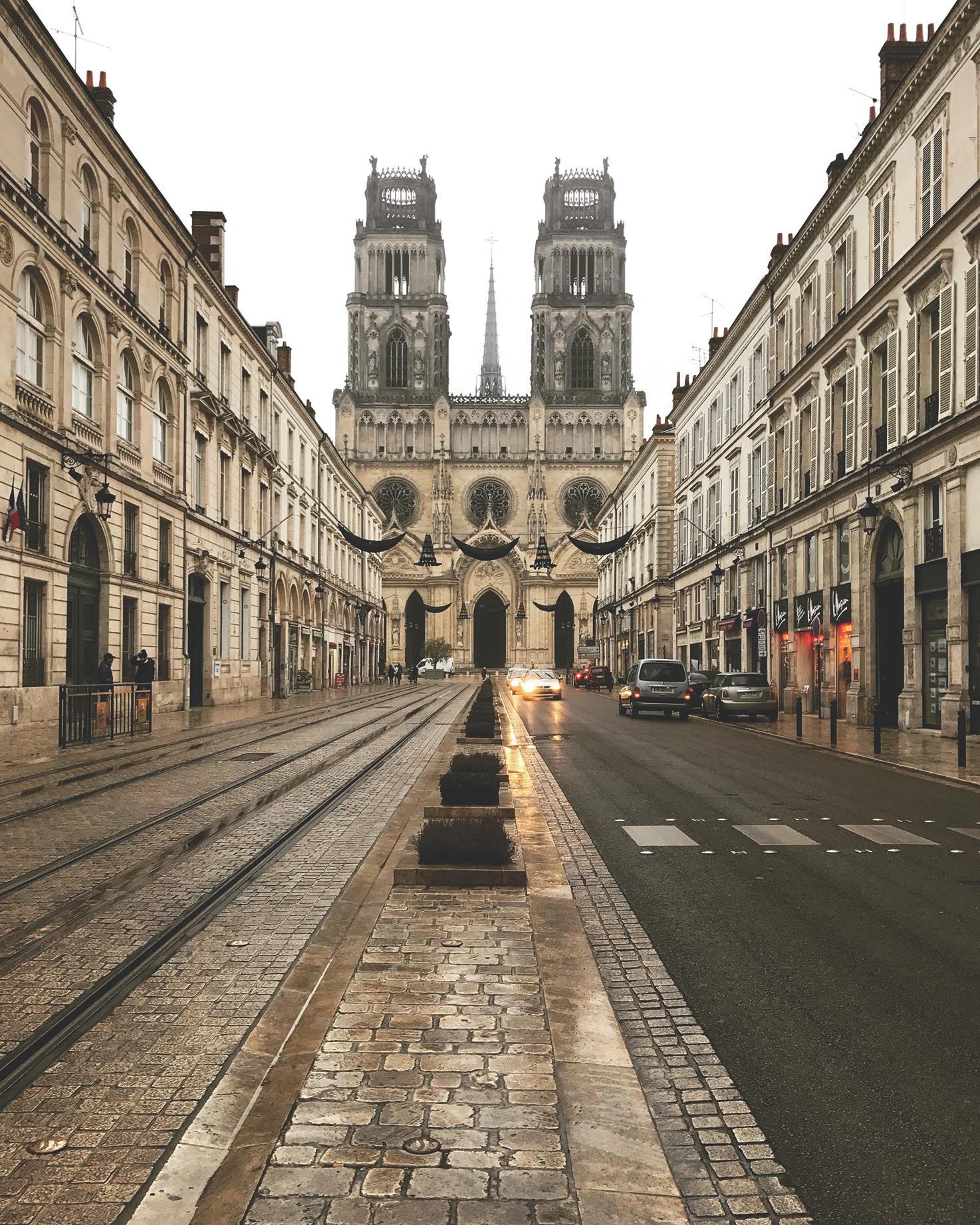
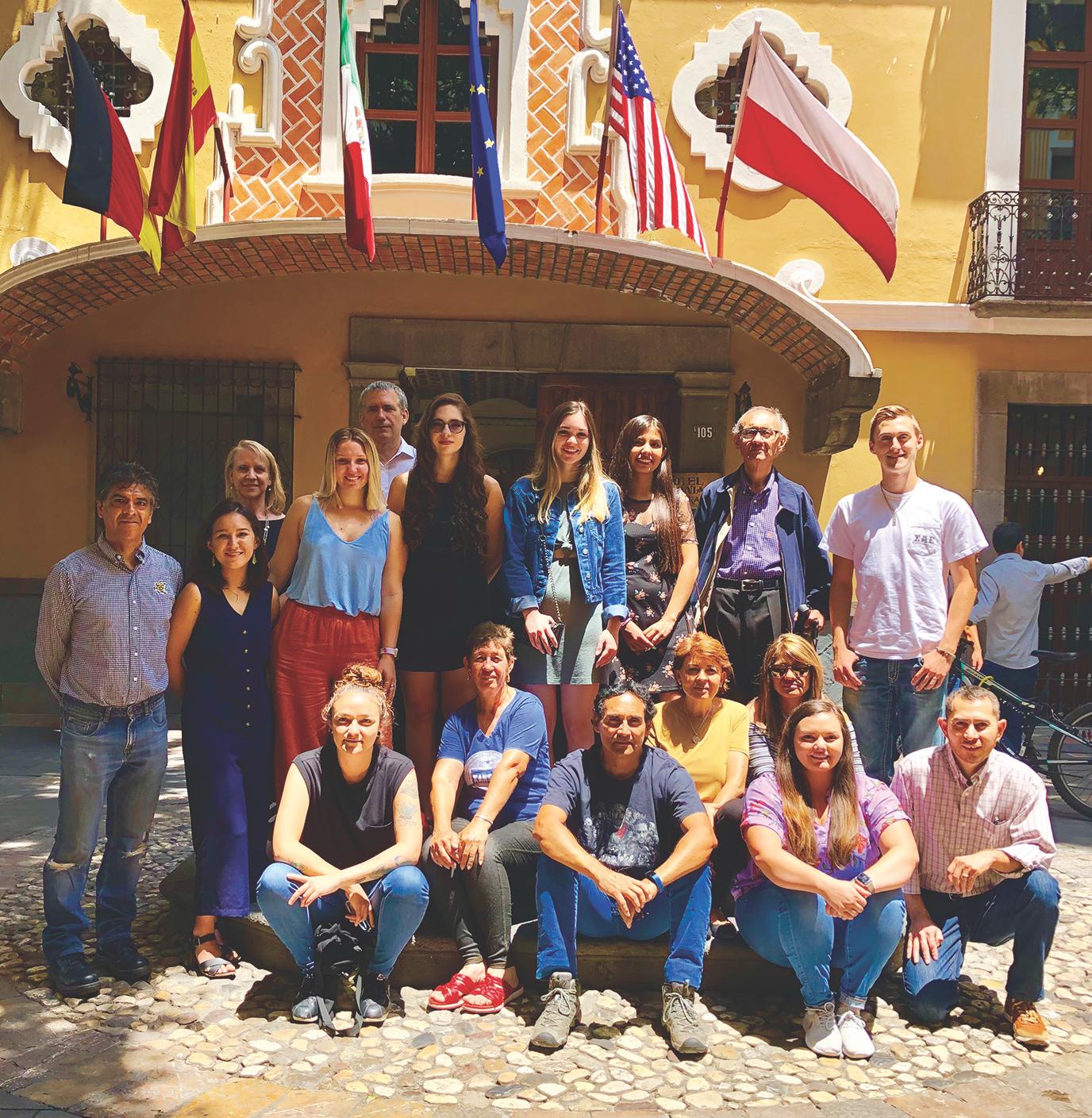
The two longest-running programs coordinated or led by Fairmount College faculty are the university’s partnerships with the University of Orléans and the Puebla Summer Program. Both focus heavily on the respective primary language of their country of study.
Brigitte Roussel, associate professor of French, coordinates the Orléans program, and Cuitláhuac Chávez, Spanish instructor and language lab director, leads the Puebla Summer Program. Despite unique differences between the two programs, Roussel and Chávez see common outcomes from their students’ experiences.
“Orléans students improve their conversation skills and self-esteem,” Roussel said. “They speak more easily, and they mature and assert themselves.”
Bronwen Jenkins, who participated in the four-week summer program at Orléans, agreed.
“I really enjoyed having the opportunity to experience a different culture,” Jenkins said. “Though I was only in France for a month, I feel like my French improved.”
Chávez sees this with his students, too.
“Puebla students know a lot of Spanish,” Chávez said. “They just don’t realize how much they know. They learn a lot about the culture and they learn a lot about the language.”
They also grow in personal ways.
“Puebla helped me grow as a person and be open to new people, but it also made me be more adventurous,” DeAnda said. “I grew to love the culture even more, and it definitely helped me better my Spanish, which was my number one goal.”
“Studying abroad was the first time I had ever moved out of my parents’ home,” Pham said. “I felt this experience really pushed me to be independent and resourceful.”
More broadly, Roussel and Chávez said, study abroad students’ worldly perspectives shift. Students become better global citizens because they are able to understand others’ perspectives and the complexity of the world’s problems.
“They become better students when they come back. They see their own culture in a different way,” Chávez said. “They don’t take it for granted anymore. They realize it is a privilege to be a university student. They compare their way of life to other ways that people live.”
“Students become involved with current issues, which makes them a citizen of the world,” Roussel said. “They become so much more open-minded.”
Roussel, who grew up in France, and Chávez, who spent most of his youth in Mexico, believe that everyone should learn a second language. It makes them better global citizens, Roussel said.
“People who may not have the same cultural background may be able to understand another perspective and the complexity of the world’s problems to be solved and to be dealt with,” Roussel said. “It is necessary to have a strong diplomatic core that one can argue effectively by taking on a global perspective, not only a materialistic perspective or a hard political perspective.”
Conan Shinn, who went to Puebla in 2019, experienced that shift in viewpoint.
“It changes you. You have a wider and deeper understanding of the world,” Shinn said. “I had been to Mexico several times, but I still learned a ton and came back with a fresh perspective.”
Knowing multiple languages also presents different ways to solve problems and look at life, Chávez said.
“If you can solve one problem in one language, you may be able to solve another in a different language,” he said. “You become aware of different issues around the world.”
Knowing more than one language may also be good for the brain.
“One of the language journals released a study a few years ago stating that people who know more than one language had more healthy gray matter in their brains than people who know only one,” Roussel said.
“I also read that people who know more than one language are less likely to get Alzheimer’s,” Chávez said. “You’re always exercising your brain.”
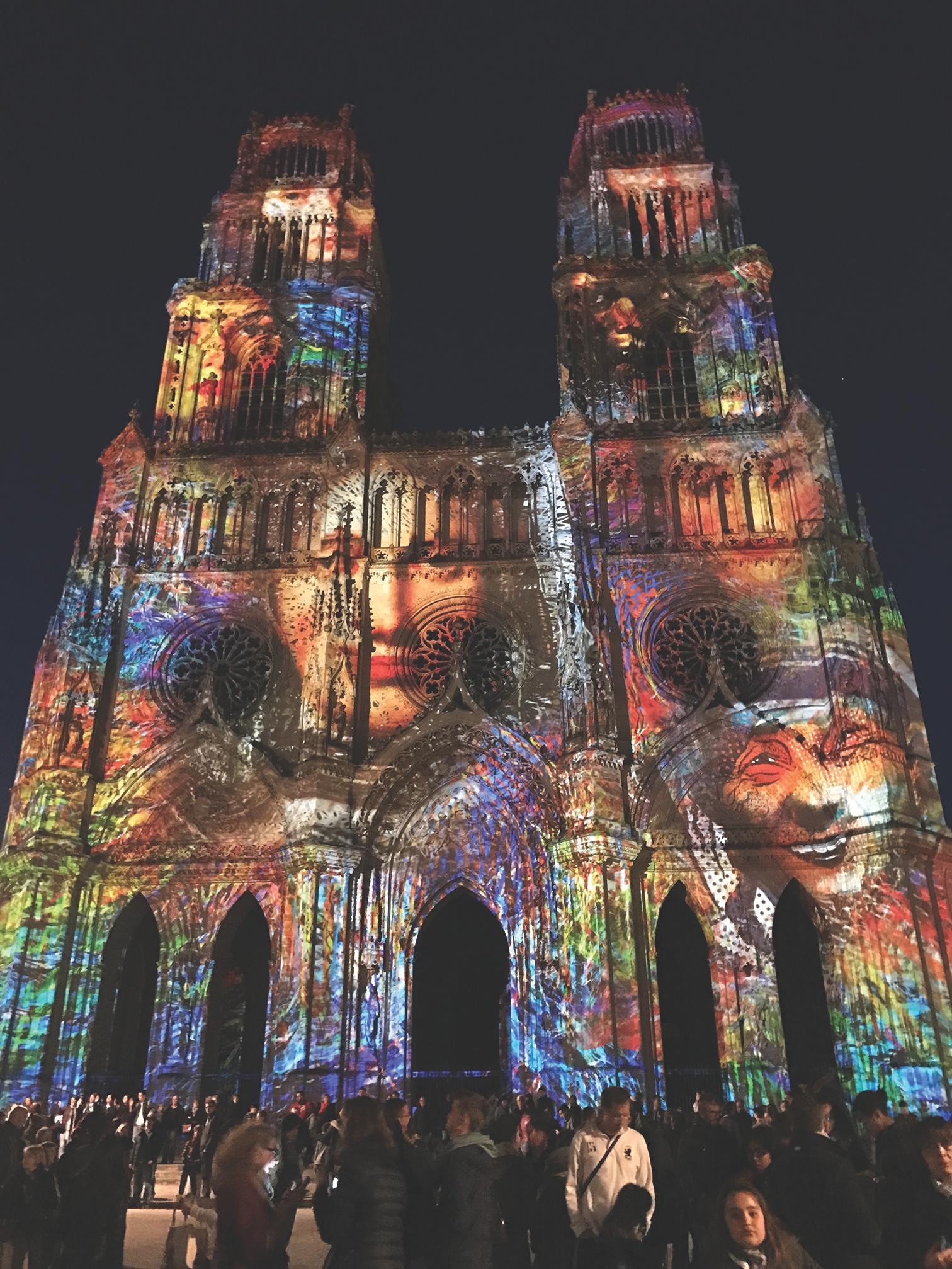
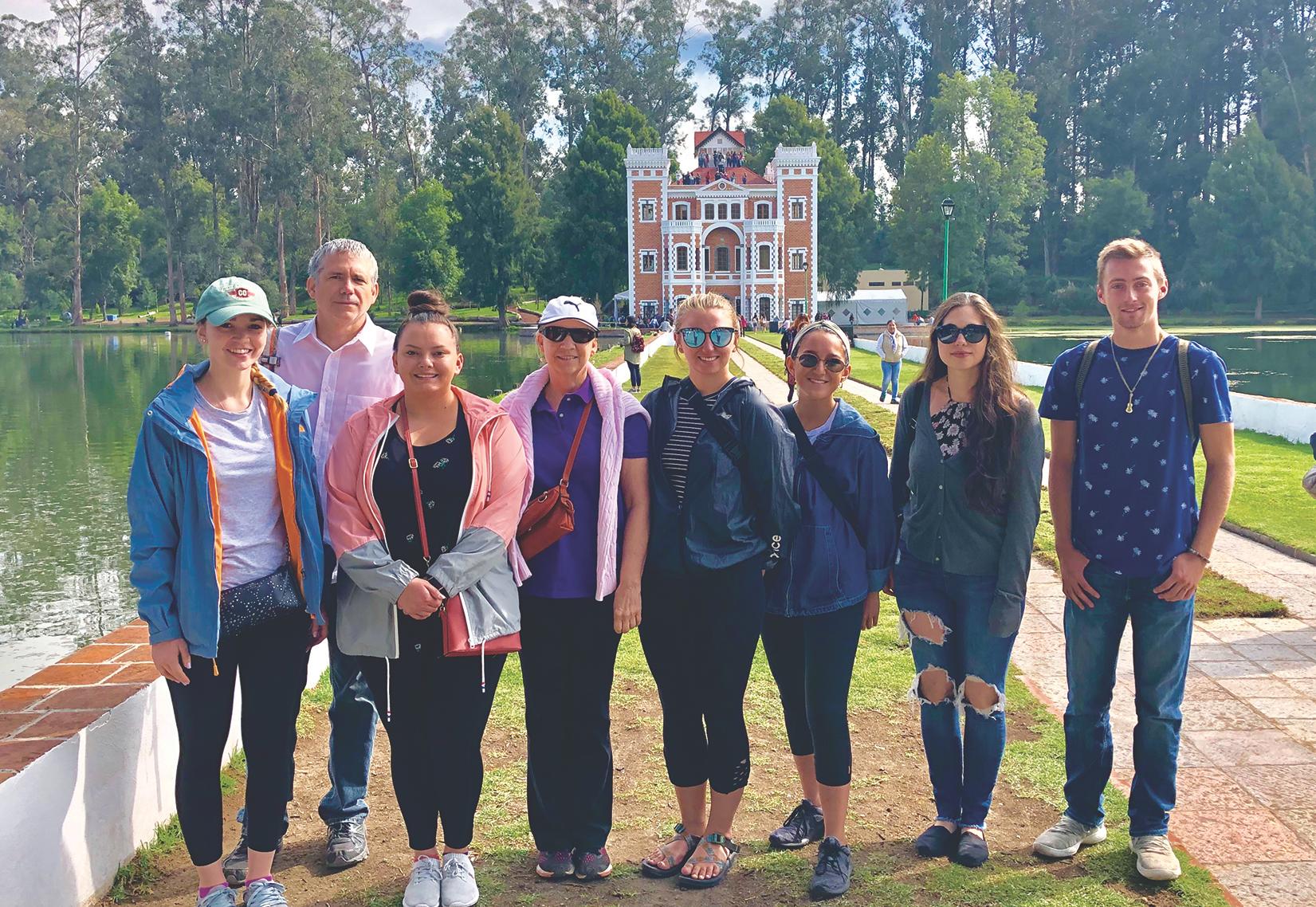
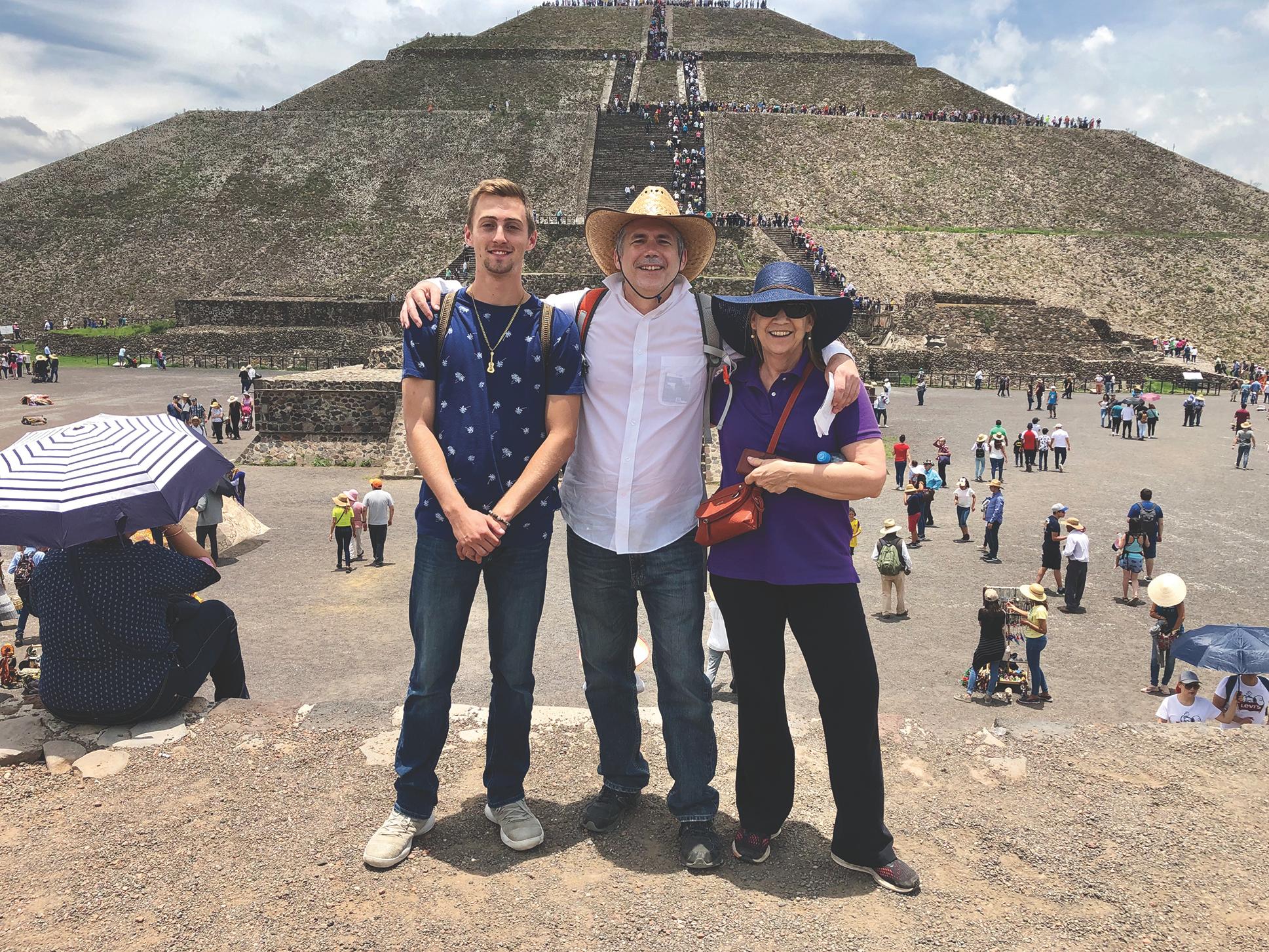
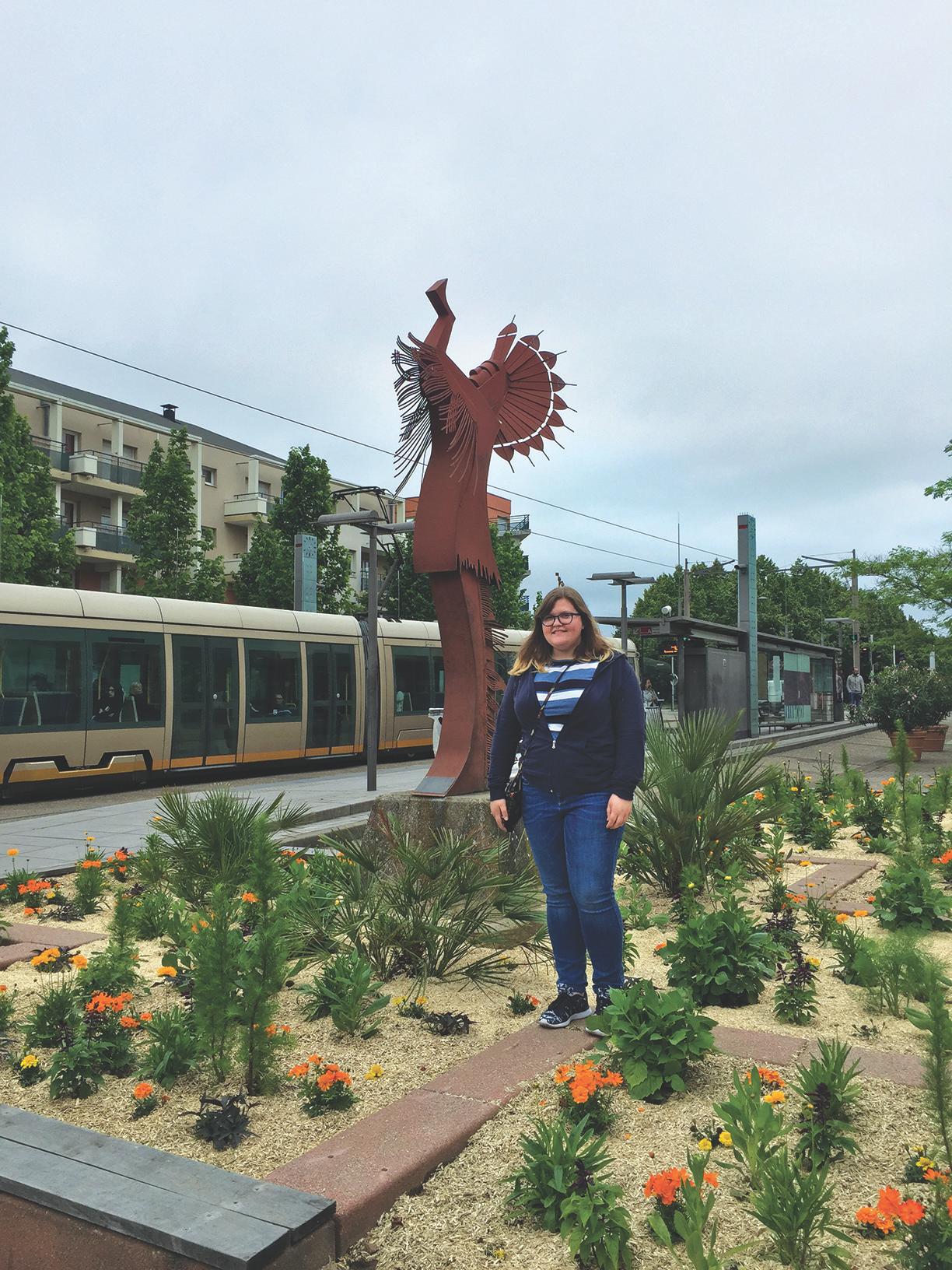
Fairmount College Study Abroad programs
Puebla Summer Program
Established in 1966, the Puebla Summer Program grew out of the National Defense Education Act. Students travel with Cuitláhuac Chávez and another faculty member to Puebla, Mexico and attend classes daily for six weeks. They earn six credit hours through WSU. Acompañantes, or conversation partners, take students around Puebla each day during the late morning and early afternoon. Students also meet native speakers for lunch conversations daily. Participants may stay in the Hotel Colonial for the length of the program, or stay three weeks with a host family and three weeks at the hotel. Scheduled trips include travel to Teotihuacan, Cantona (an archeological site), Cholula, Mexico City and Chautla.
University of Orléans
Orléans and Wichita declared themselves Sister Cities in 1973, and fewer than 10 years later, the University of Orléans and Wichita State established a study abroad partnership. Students largely travel independently to Orléans, France, but receive specific instructions, support and direction from the University of Orléans faculty and staff. Students attend classes daily and earn six credit hours of transfer work as part of a four-week summer program, or 12-24 hours through a semester or academic year plan. They also submit a final portfolio at the end of their stay that showcases some aspect of their learning experience. Depending on their program length, they may live in a studio apartment, with a French family, or in a residence hall. Students are free to travel throughout the country and Europe.
Other Study Abroad options at Wichita State
MAUI Consortium: Students study at universities within the Utrecht network in Europe.
WSU Exchange: Students pay their regular tuition and fees to WSU. Current agreements are in place with universities in Austria, China, England, France, Germany, Japan, Mexico, Spain and Sweden.
Short-term/summer programs: Students study via exchange partner universities or faculty-led programs, such as travel seminars. Students are able to study abroad for one to eight weeks.
Independent program providers: These programs are not directly associated with WSU, but are ways to study in another country and earn credit.
By Paul Suellentrop
 Public scholarship aims to introduce academic research to a wide audience, one that
doesn’t subscribe to journals or possess the time to wade through lengthy articles
or books.
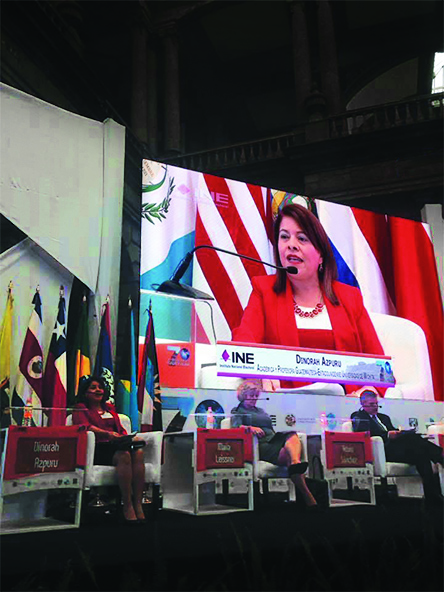
Wichita State University political science professor Dinorah Azpuru is doing her part to help people’s understanding of political science with her work in the Washington Post “The Monkey Cage,” a blog dedicated to “making sense of the circus that is politics,” as the blog describes itself.
She has submitted three articles to the blog, most recently one that examines declining trust in and support for democracy in Latin America.
“It comes from the discipline’s self-criticism that political science is about politics, which is very important, but no one was reading other than ourselves,” Azpuru said. “What are you contributing to the understanding of politics if people can’t read it?”
“The Monkey Cage” is an independent site published at the Washington Post.
At Wichita State, Azpuru teaches courses focused on democracy, foreign policy and comparative politics (the politics of other countries). She also teaches specific courses on Latin America. She considers the region critically important to the United States for several reasons, including security and economic issues.
“We’ve got to pay attention to that region,” she said.
Her appreciation for democracy comes from her childhood in Guatemala, living under military rule. She attended lectures on democracy organized by the U.S. Embassy as a youngster. In high school, she spent a year in Iowa as a foreign exchange student.
“I didn’t grow up in a democracy,” she said. “I always admired democracy in the U.S. I loved seeing how people could get involved in it.”
As part of her public scholarship, Azpuru also contributes with a blog in Spain’s main newspaper El Pais and makes public presentations of her research findings to nonacademic audiences in Latin America.
“The idea is to share research – it’s research-based, not opinion,” she said. “You try to make it accessible to people who are not political scientists. I like to share what I do.”
Azpuru’s most recent article in “The Monkey Cage” is headlined: “Latin American democracy may be in trouble. The protests are a symptom of increasing mistrust.”
Faculty Spotlight: Dinorah Azpuru
From birth, Dinorah Azpuru, professor of political science, has learned about politics. 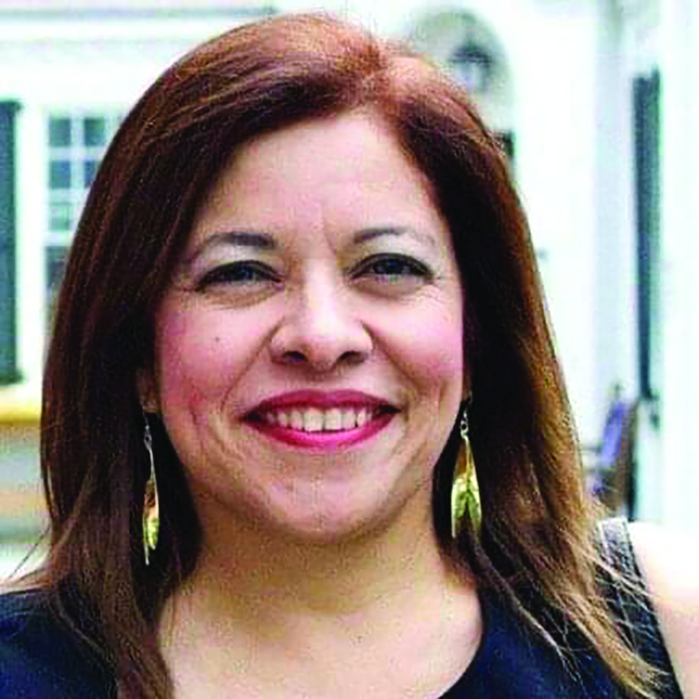
Her father was a congressman in Guatemala until its political system became an authoritarian regime. Both of her parents were interested in politics, and kept a home library of books on the subject. Her family admired President Kennedy and democracy in the U.S. Her first trip abroad strengthened her political interests.
“When I spent a year as a foreign exchange student with a family in Iowa,” Azpuru said, “I took American politics in high school, and my experience there reinforced my belief in democracy.”
Her interest grew the more she learned, and she decided to study political science when she began her undergraduate degree at Universidad Rafael Landivar, Guatemala’s Catholic university.
“I liked the study of political regimes in other countries and international relations,” Azpuru said. “During my early college years, Guatemala still had an authoritarian military regime, therefore it was challenging to study political science. During college I attended lectures on democracy organized by the U.S. Embassy in Guatemala, and I was always impressed by the level of participation, for instance, in the U.S. political parties’ conventions.”
After she finished her bachelor’s degree, Azpuru continued her studies in Switzerland and the United States.
“Living in those democratic countries made me even more convinced that democracy is the best form of government,” Azpuru said.
Undoubtedly, this influenced her research focus on democratization in the developing world, especially Latin America.
“Through the analysis of survey data, I study public opinion about democracy, democratic values and behavior (for example, voting behavior),” she said. “The overarching name for my research is ‘political culture’. Within that framework, I try to understand why some people support nondemocratic leaders, undemocratic measures and authoritarian regimes.”
She also studies issues related to democracy assistance, especially from the U.S. to Latin America, and is well known for her previous research on peace processes after an armed conflict, especially in Central America.
One of the classes Azpuru loves to teach is Comparative Politics, the study of politics within other countries, and in comparison with the U.S. political system.
“Students comment in that class that they had never realized that there were so many differences in the political systems around the world and so many possible combinations,” Azpuru said. “For example, many people think that the U.S. political system is very similar to that of the United Kingdom, but in reality, there are lots of differences.”
Political structures are also at play during the COVID-19 pandemic.
“The coronavirus crisis is affecting virtually every country in the world. At this critical juncture, governments have to respond, and political structures and leadership can have a distinct impact across countries,” Azpuru said. “Journalists and political scientists have been analyzing if authoritarian regimes such as the one in China are better equipped to impose a quarantine on a country than democratic regimes such as the ones in Europe. Or for instance, whether democratic federal systems such as the one in the U.S. and Germany have a harder time imposing national-level measures to combat the virus vis-à-vis countries with unitary systems.”
Azpuru earned her bachelor’s degree in political science and master’s degree in teaching and university research from University Rafael Landivar, Guatemala. She earned her master’s and doctoral degrees in political science from the University of Pittsburgh, in Pennsylvania.
When not teaching or researching, Azpuru loves traveling and has traveled extensively within the U.S. and abroad. She loves learning about different cultures and visiting historical monuments and sites, as well as hiking and being close to nature. Both of her children (Rod, who lives in New York City, and Marcy, who lives in Wichita) have finished college, and her husband, Ramsey, owns a small business. Two dogs, Joy and Lucky, make up the rest of the family.
A professional golfer and business owner, an ambassador, and a physician were inducted during the inaugural Fairmount College of Liberal Arts and Sciences Hall of Fame ceremony on Dec. 6 in Wiedemann Hall.
Judy Bell, Robert Blackwill and Donna Sweet were recognized for their embodiment of the merits and advantages of a liberal arts and sciences education and their significant impacts on the region, nation and world.
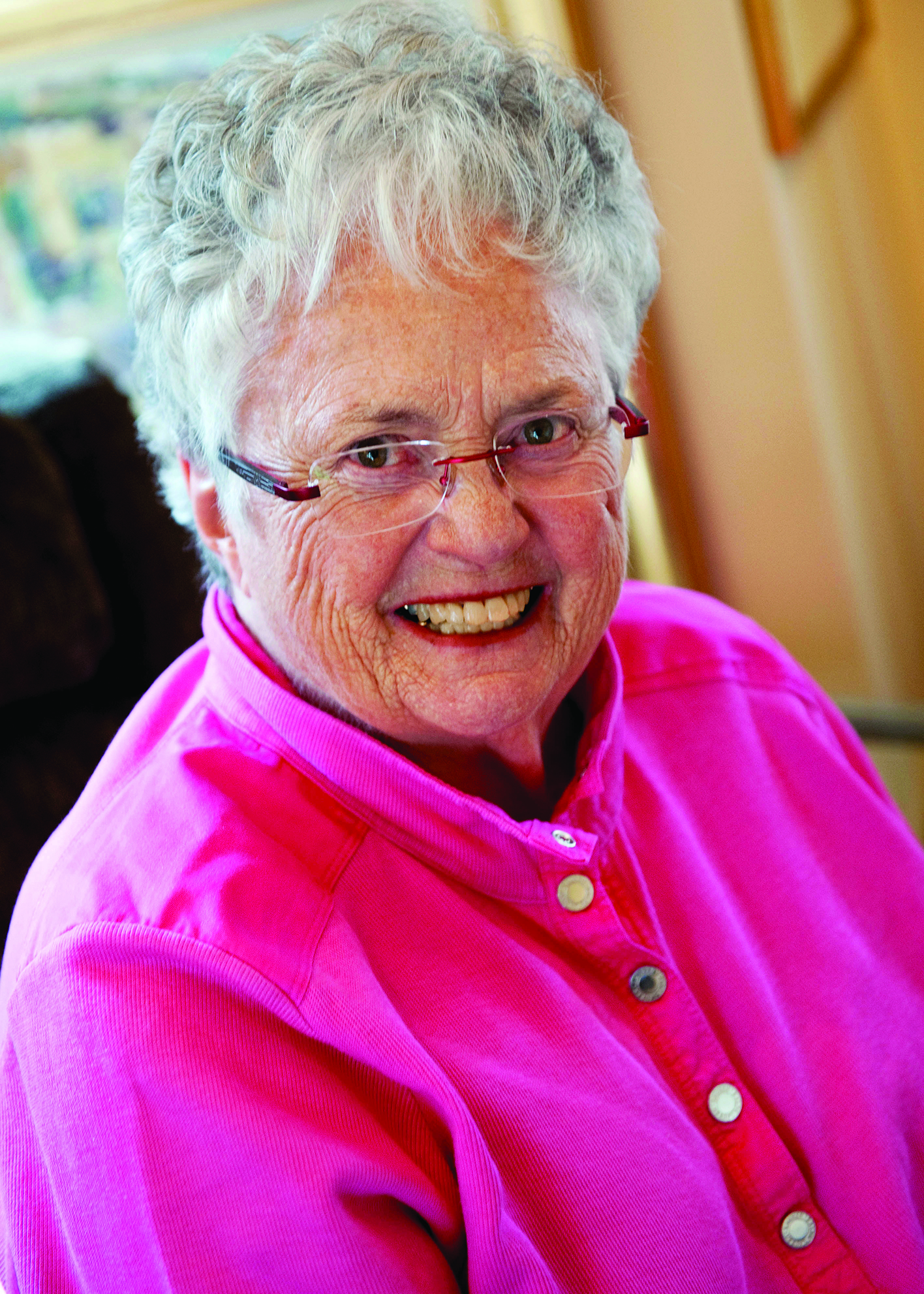
Judy Bell majored in psychology and minored in sociology, graduating in 1961 from the University of Wichita. Bell was the first woman to head the U.S. Golf Association, and began her golf career at the 1950 U.S. Women’s Open at the age of 14. She is also a successful entrepreneur, operating seven businesses during her career. While a student, Judy greatly enjoyed Hugo Wall’s logic courses and believes they opened her mind to many facets of life. She believes that a liberal arts education is important to giving one a broad-based education.
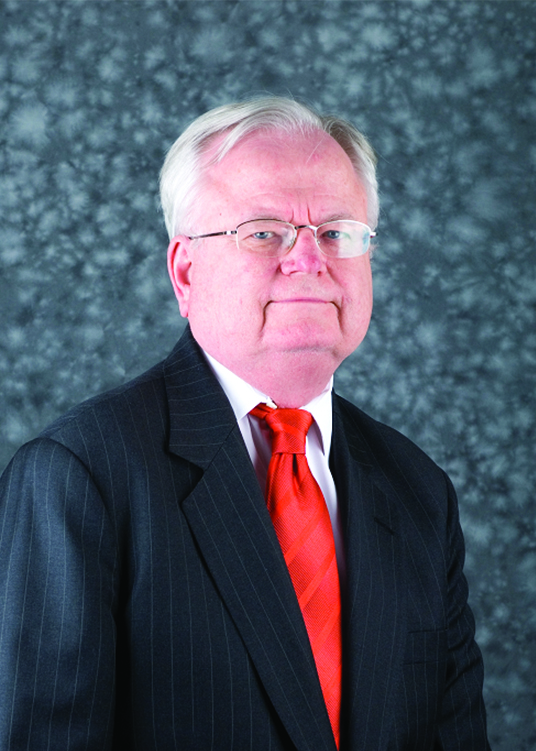
Robert D. Blackwill majored in English and history, graduating in 1962 from the University of Wichita. Blackwill is the former ambassador to India and presidential envoy to Iraq. He has also served as head of U.S.-Russia conventional arms negotiation in Europe, deputy national security advisor, Henry A. Kissinger senior fellow at the Council on Foreign Relations, and is an accomplished author. He said he took back east from WSU the values of Kansas and its people: honesty, candor, compassion, hard work, a dogged stamina in the face of challenge and adversity, a sense of humor, and a deep and abiding love of country.
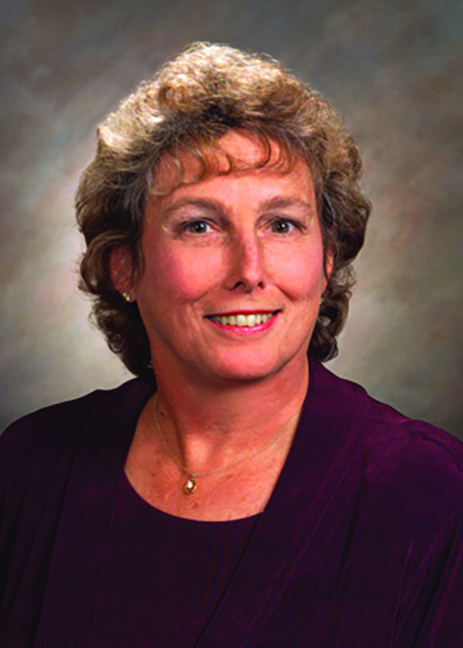
Donna Sweet majored in biological sciences and minored in chemistry, graduating in 1970 with her undergraduate degree. Sweet is one of Kansas’s top HIV-positive and AIDS specialists and educators, and a noted national and international speaker on the subject. She credits Josephine Fugate, former dean of women and professor of mathematics, with being a strong woman who helped young women grow and develop and be leaders. Sweet recognizes the importance of a liberal arts education as one that brings about a broad appreciation of the world and all that encompasses.
Dear alumni, faculty, staff and friends,
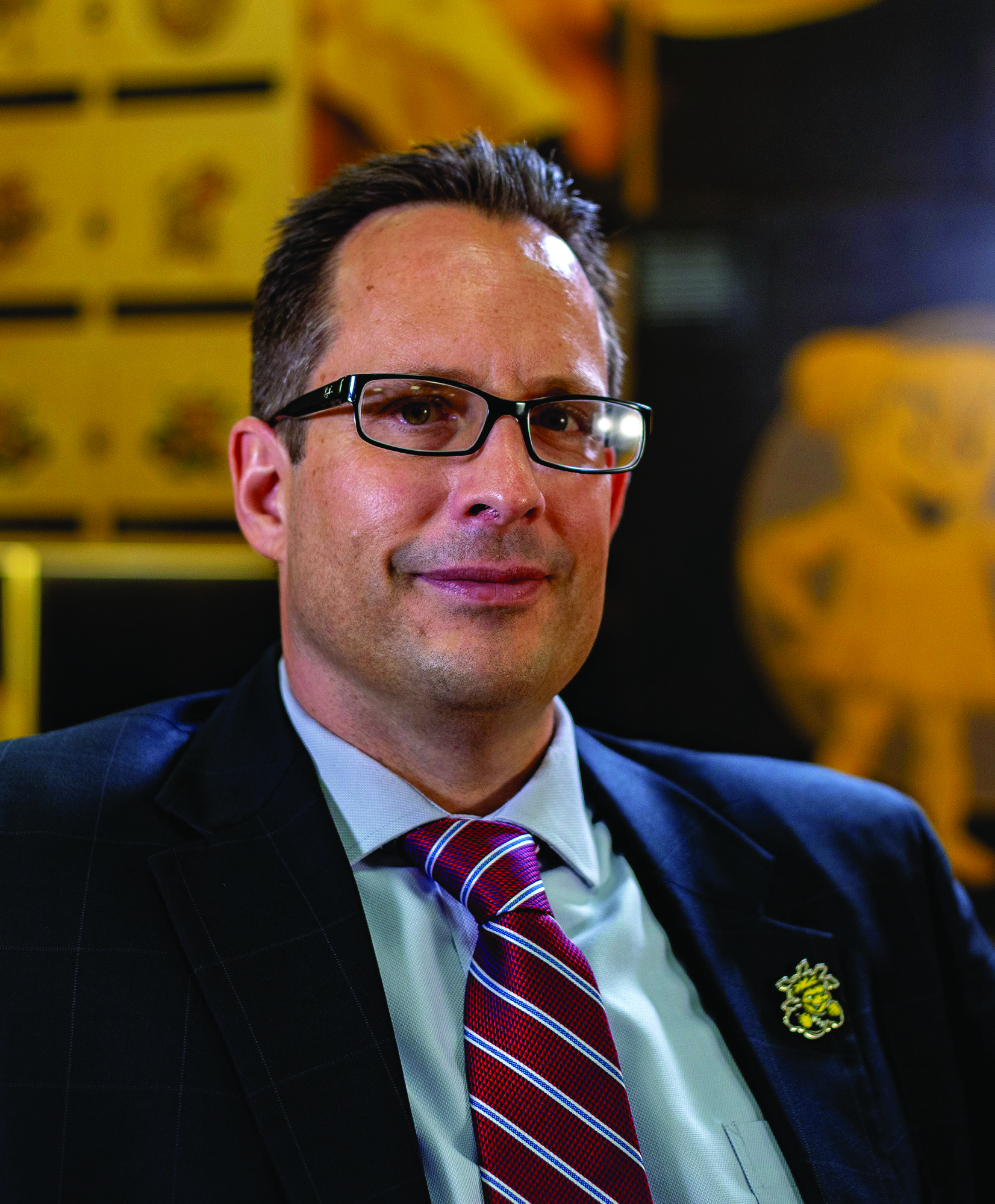 The primary role of the Fairmount College of Liberal Arts and Sciences is to educate.
But we do this in the original sense of the word: “educere” is Latin for ”lead out”
or ”bring out.” We help bring out from our students new insights that they did not
know they could have; a new way of thinking; the ability to solve a problem—an ability
that they did not know that they had; and importantly, the student’s own creative
nature. To do this kind of education we cannot only target the intellect, though that
is important. When we educate we need to educate the whole. The whole person.
Educating the whole requires us to go beyond the classroom. This could be study abroad through a travel seminar, which I talked about in the last issue of the newsletter. Another way is developing our students to be contributors to the workforce in a meaningful way through a practical experience, drawing on the transferable skills of a liberal arts education. We want to guarantee an internship for every liberal arts student who wants it, so providing a natural arena to apply these skills in a real world setting.
Wide-scoping internship opportunities are typically associated with the College of Engineering and the Barton School of Business, since an internship is often a degree requirement. Our college internships (or clinicals) are common in the expected areas: social work, criminal justice, communication, public administration and clinical psychology. We want to create opportunities for students of any major to have an internship experience.
In partnership with the Career Development Center and the Office of Applied Learning, we are developing a generic internship syllabus with a learning goal to reflect on how the power skills of a liberal arts education are effectively applied in a particular domain. In this way, a history major could have a meaningful internship in an accountancy firm, in human resources, or as level-1 user support in their IT department. The power skills of problem solving, empathetic listening and oral communication would be related to how a level-1 user support role runs diagnostics with a customer calling in for help, for example.
We know that many companies crave the special skills that liberal arts students acquire, communication being at the top of the list. This initiative will prove that this is true, both for our partner companies but more importantly for our students.
The liberal arts must argue the case for its relevance. This initiative foregrounds the case that studying humanities, social sciences and physical sciences furnishes students with valuable transferable skills, and at the same time gives students in these disciplines the confidence to promote themselves as an asset to the workforce, with an experience to back it up. NetApp, Koch Industries and Cargill are all Wichita-based companies that could benefit from such students.
Stories of a positive experience will percolate and attract attention, encouraging other companies to participate at this level. We need to leverage our alumni and donors to help us provide internships with learning outcomes. We want to ensure that each instance of an internship is a partnership between the student, a faculty member and company/entity supervisor. If you would like to partner with the college in this way, I would be delighted to hear from you.
Yours,
Andrew Hippisley, Dean
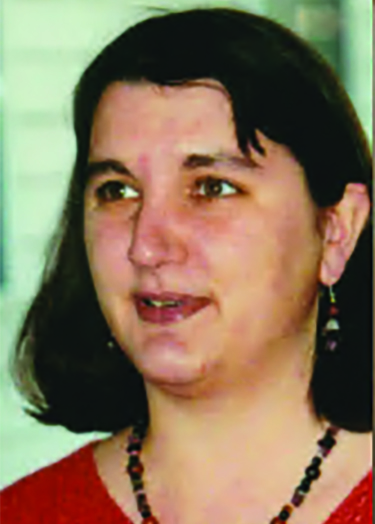
Katherine Bradfield, 50, lecturer, department of philosophy, died April 13. She taught critical reasoning
and introductory logic classes since joining the faculty in 2011.
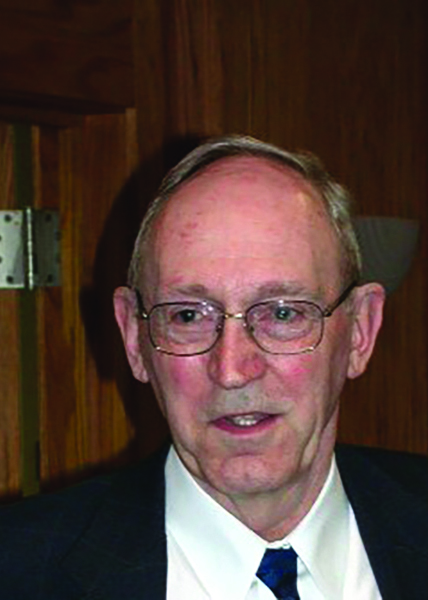
Gerald D. “Skip” Loper, 82, died Feb. 18. He served Wichita State University as professor of physics, department
chair, interim dean, associate vice president for research, and interim director of
the National Institute of Aviation Research. After 42-and-a-half years of service,
he retired in 2006. A memorial has been established with the Alzheimer’s Association,
1820 E. Douglas Ave., Wichita, KS 67214.