


Wichita State University
NASA-Funded Project to Study Sun's Neutrinos from Low-Earth Orbit
Nick Solomey, professor of physics, and his research collaborators recently secured a $2 million grant from NASA to study the sun’s neutrinos.
The grant project, “Cube-sat Space Flight Test of a Neutrino Detector,” will allow Solomey’s team to investigate the sun’s neutrinos, miniscule subatomic particles that are similar to electrons, but have no charge and almost negligible mass.
Understanding neutrinos holds the keys to
understanding the structure of the universe and the origin of mass. According to neutrinos.fnal.gov, neutrinos are the second most abundant fundamental particle in the universe, and the sun is the source of most of these neutrinos.
This is the third grant in successive phases that Solomey has procured from NASA for his quest to learn more about neutrinos. One of the key outcomes of the project will be the development and testing of a cube-sat,
a kind of nanosatellite. It will carry and test the neutrino detector in low-Earth orbit to prove the detector can operate in space and measure the rate of cosmic and gamma rays.
Neutrino detectors currently in use are positioned deep below the Earth’s surface.
“This new concept detector uses a double-delayed coincidence, so the detector does not need shielding,” Solomey said.

An artist’s image of the cubesat approaching the sun in low-Earth orbit. Photo Credit: NASA.
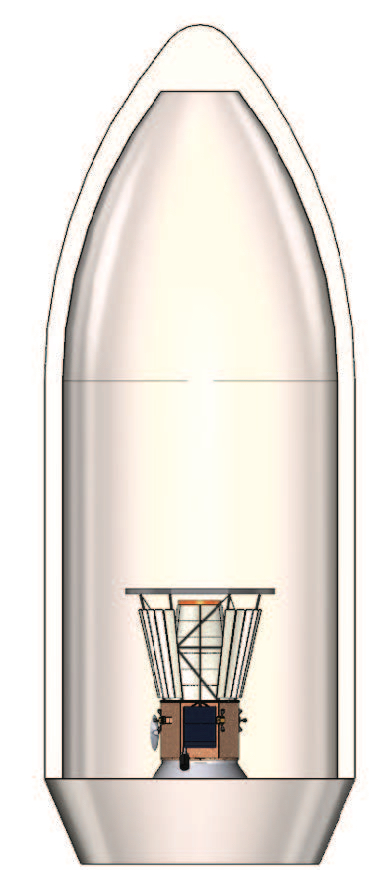
The cubesat will be carried into orbit by a Falcon 9 rocket and then released. Photo Credit: NASA.
“Our detector is very risky because it’s never operated as a neutrino detector in space, let alone close to the sun.”
The spacecraft to be used in the eventual mission will allow scientists to study the sun’s neutrino emission and the galactic core neutrinos’ gravitational focus.
“The sun’s core determines what is going on at the surface of the sun right now,” Solomey said. “Nuclear fusion in the core is producing the energy that’s driving the sun, but it takes anywhere from 80,000-100,000 years for the energy, through convection, to reach the surface of the sun.
“When it reaches the surface of the sun and then boils off, it makes light,” Solomey said, “and of course, all the light that we get from the sun is what sustains us.”
Solomey’s grant involves NASA scientists and particle physicists. Solomey’s team members include Atri Dutta, Hyuck Kwon, and Holger Meyer, all from Wichita State University; Mark Christl, NASA Marshall Space Flight Center; Brian M. Sutin, NASA Jet Propulsion Laboratory; Robert McTaggart, South Dakota State University; and Gregory Pawloski, University of Minnesota.
Dean's Message
Dear Fairmount College alumni, faculty, staff and friends:
Andrew Hippisley
In times of change and challenge, it is important to go back to the reasons we are doing what we are doing. The mission of the Fairmont College of Liberal arts and Sciences is to
“cultivate intellectual curiosity and contemplation of human experience and the natural world.”
Recently I was discussing the purpose of a liberal arts education with my advisory council, and one of the members enthusiastically announced: “We are teaching our students how to think.” Applied learning, hands-on learning is valuable. But thinking is anterior to doing. And reflecting, after action, is an important aspect of thinking. A second part of our mission is to, through the liberal arts, “develop transferrable analytical skills.” Such skills are those needed for the constently changing demands of today’s workforce, such as being able to make optimal decisions when faced with complex inputs.
We strive every day to deliver on our mission through teaching, research and service. This mission is not only targeting our students, but the students in the pre-professional colleges of engineering, business, health professions, and applied studies. What we do is fundamental to the mission of Wichita State University. A remarkable fact is that most of the credit hours taught by
our faculty are to students who are not pursuing the major of the faculty’s tenure home.
While most of the credits in social work and public affairs are taught to students in the departments’ majors, this situation is the exception. More than two-thirds of biology credit hours are taught to those outside the major, including engineers and health professions majors. Philosophy has a vast range, with around 98% of non-philosophy students benefiting from ethics, critical reasoning and other philosophy courses.
Teaching students how to think is teaching the students of the entire university how to think. Likewise, English and communication are overwhelmingly in service to the university, and the chart below shows the high impact these departments have on developing communication skills. The liberal arts and sciences are fundamental to all the teaching and learning that we do at the university. That is how it should be. Wichita State succeeds as Fairmount College succeeds in delivering on its mission to develop students who can reason, calculate, interpret and communicate.
Yours,
Andrew Hippisley, Dean
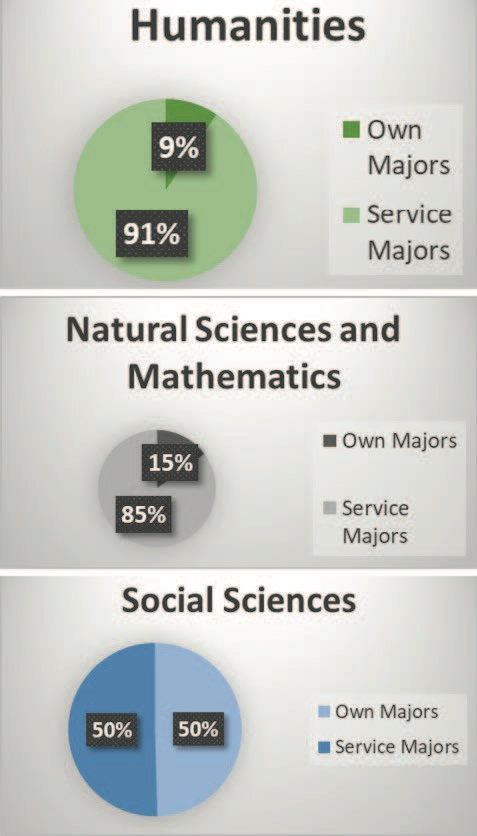
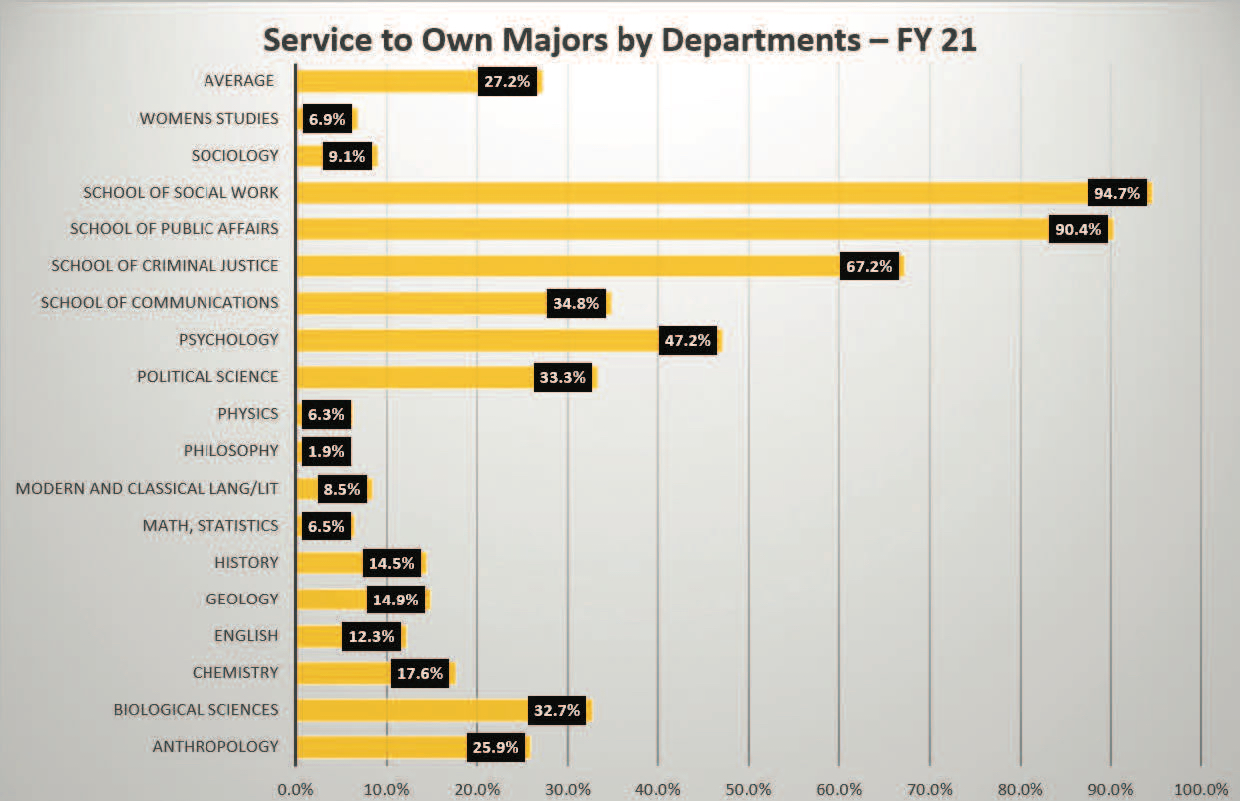
Most of the credit hours taught by Fairmount College faculty are to students not pursuing a major in the department.
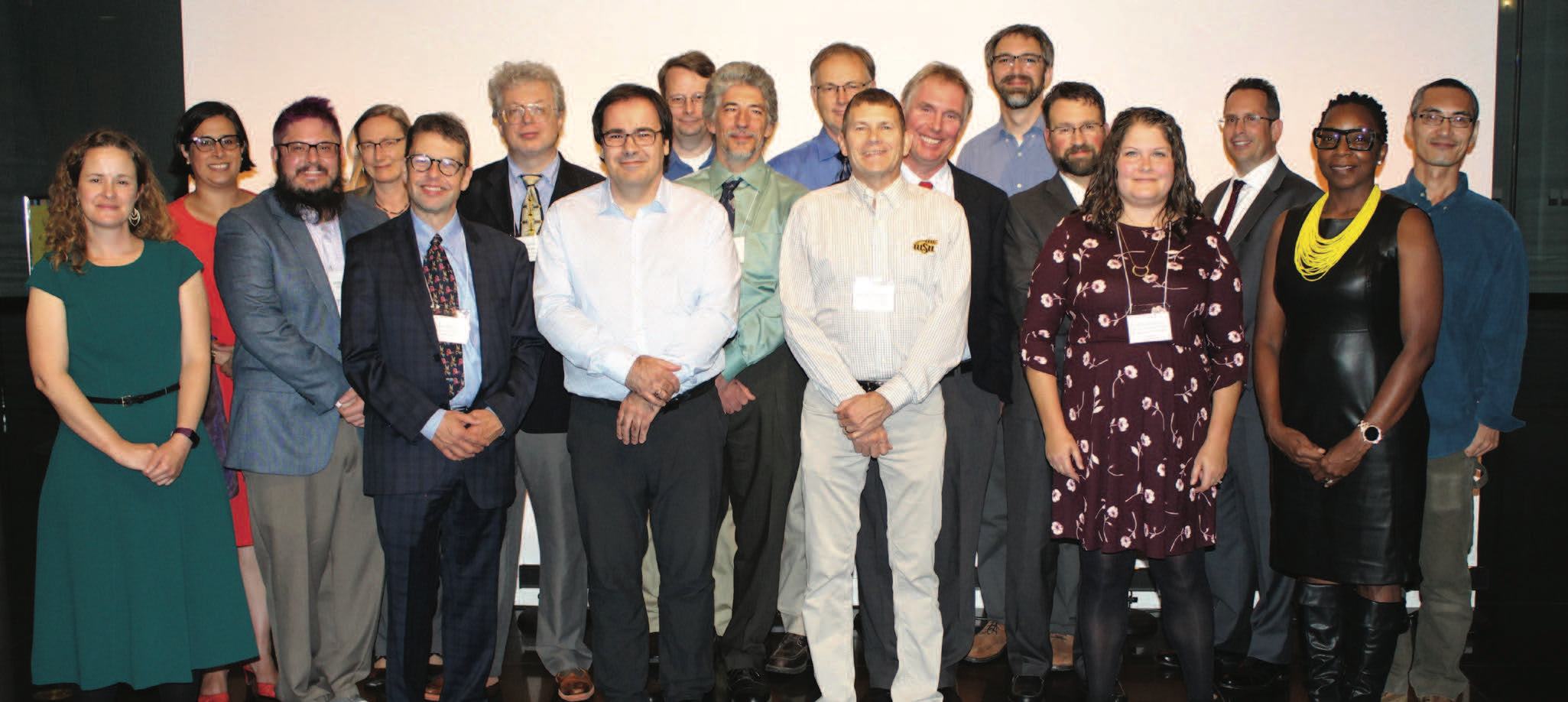
With COVID-19 less of a threat, tenure and promotion candidates from 2020 and 2021 gathered for a dinner to celebrate their success. Dean Andrew Hippisley hosted the event.
Professor Hopes to Make Medical Visits Safer for Spanish Speakers in Kansas
By Karlee Cooper, media intern
Many Americans are anxious when they see their doctor, but for non-English speakers, going to see any healthcare provider can be a point of stress.
Suppose a medical facility doesn’t have a certified interpreter on its staff. In that case, non-English speakers may not be able to adequately describe their medical problems, which can lead to numerous health-related issues.
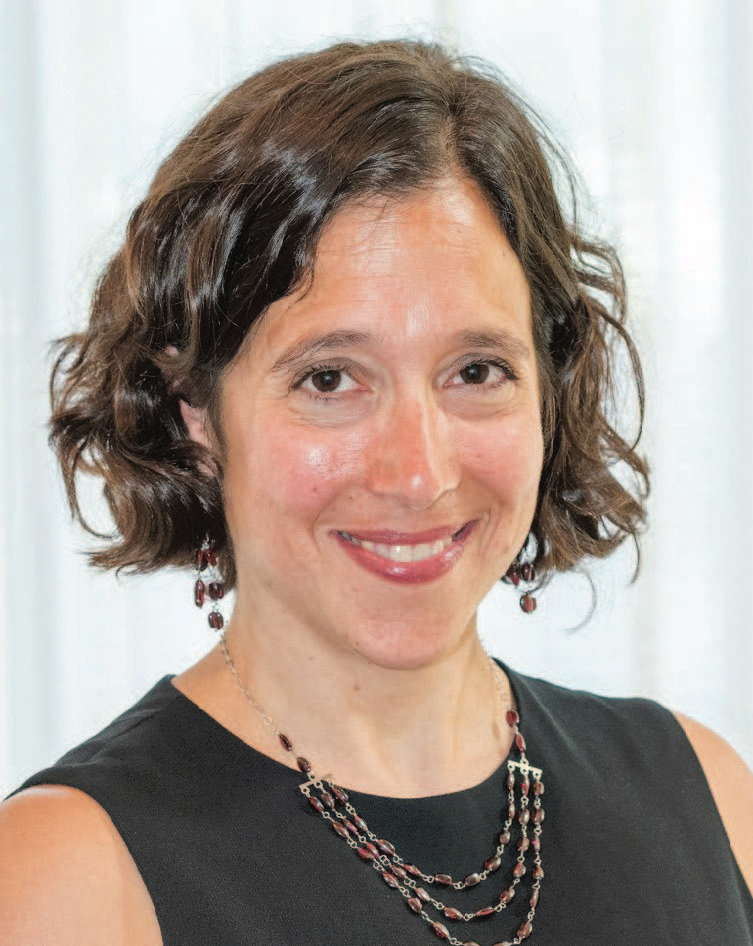
Rachel Showstack, associate professor of Spanish, is working to make a change so Spanish speakers can have safe experiences when going to any healthcare provider in Kansas. She is bringing awareness to issues Spanish speakers face with the coalition she helped found Alce Su Voz: Raise Your Voice. Its primary purpose is to work toward health equity for Spanish speakers.
“We are currently focusing on improved systems for providing interpreting services and improved dissemination of health information in Spanish,” Showstack
said. “We are also interested in increasing the availability of language-concordant healthcare providers in Kansas (providers who speak the patient’s preferred language), and improved awareness about healthcare language access throughout the healthcare system.”
Most Spanish speakers are not aware that they can ask for a certified interpreter when visiting a healthcare provider. If someone isn’t aware that they can ask for an interpreter and the healthcare provider doesn’t have any Spanish speakers on its staff, the patient will have to rely on family or friends who speak English to interpret. Usually, the task falls on children and teens interpreting for their parents. This can lead to various problems, as the youths may not be familiar with medical terminology they are using or might not understand the conditions they are discussing.
“Not having a qualified professional interpreter can lead to errors in communication
and even misdiagnoses, which can lead to less-than-optimal health outcomes, and even,
in some cases, preventable death,” Showstack said. It can also result in incomplete
communication.
“We had one stakeholder who told a story of undergoing a major emergency surgery without having an understanding of what was going to be done,” Showstack said. “She said that her ovaries and uterus were removed, and she only found out after the surgery was complete. This led to a feeling of violation and a deep depression later on.”
Showstack became interested in the problem with professional interpreting services in Kansas while researching Spanish language maintenance in Kansas Latinx families. Her motivation to improve interpreting services in healthcare increased after local safety net clinics—those that provide healthcare no matter
the patient’s insurance status — asked her to send Spanish students to volunteer as interpreters.
“Being an interpreter is a profession that requires a lot more than an ability to speak two languages,” Showstack said, “It includes understanding the basic protocol and code of ethics for medical interpreting, specialized vocabulary for a specific healthcare context, and an understanding of how to enact the various roles that an interpreter is expected to play in order to ensure quality interpretation.”
The Alce Su Voz team includes Spanish-speaking patients, family members, interpreters, healthcare providers and Wichita State University faculty and students. Funding from the Patient-Centered Outcomes Research Institute supports engagement with these stakeholders in conversations about healthcare language access in Kansas.
“We collaborate to work toward health equity for Spanish speakers in Kansas,” Showstack said. Showstack is hopeful for Alce Su Voz to make essential changes now and in the future.
“I hope that we can continue to amplify the voices of Spanish-speaking Latinxs in
Kansas,” Showstack said. “We would like to learn more about language barriers in
specific types of healthcare contexts and regions of the state. Right now, we are
particularly interested in language access in maternal health, and we are planning
to expand to hold stakeholder meetings
in western Kansas.”
For more information on Alce Su Voz, visit alcesuvoz.wixsite.com/website.
Wichita State to host 2023 Science Olympiad National Tournament
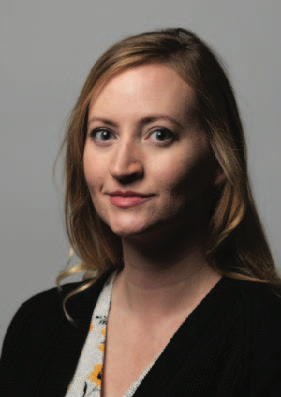
Jill Fisher
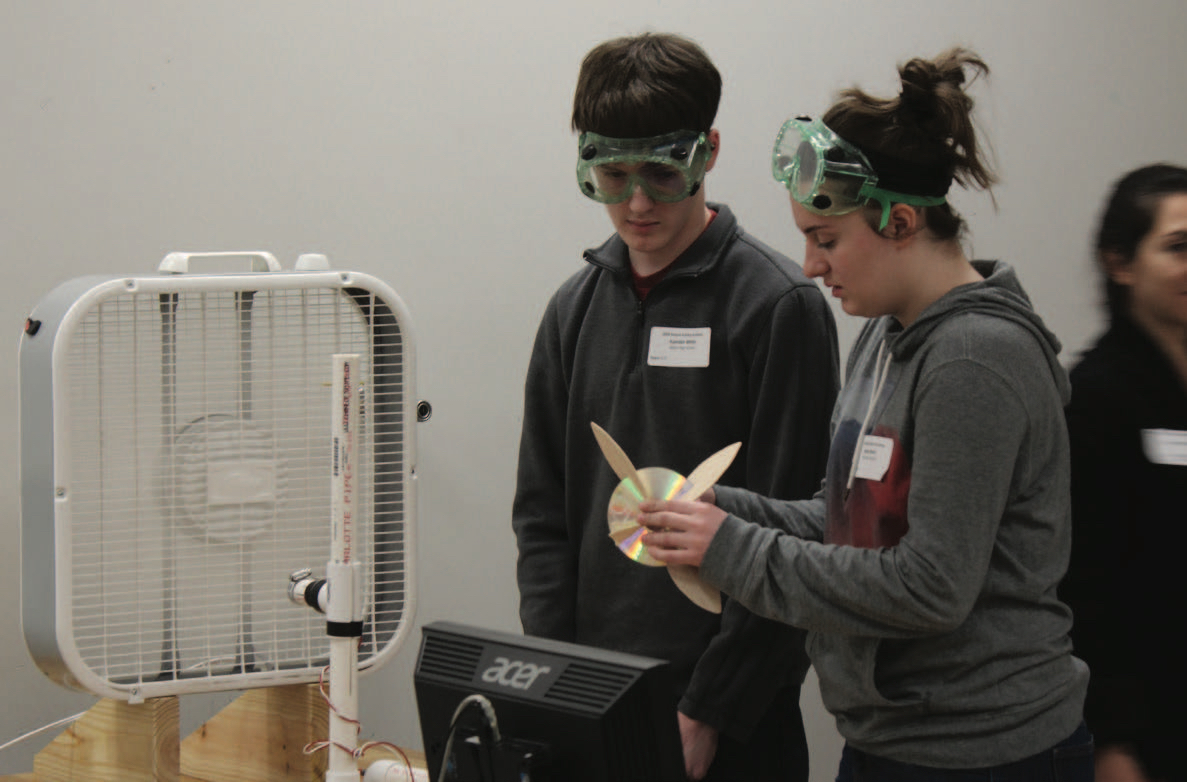
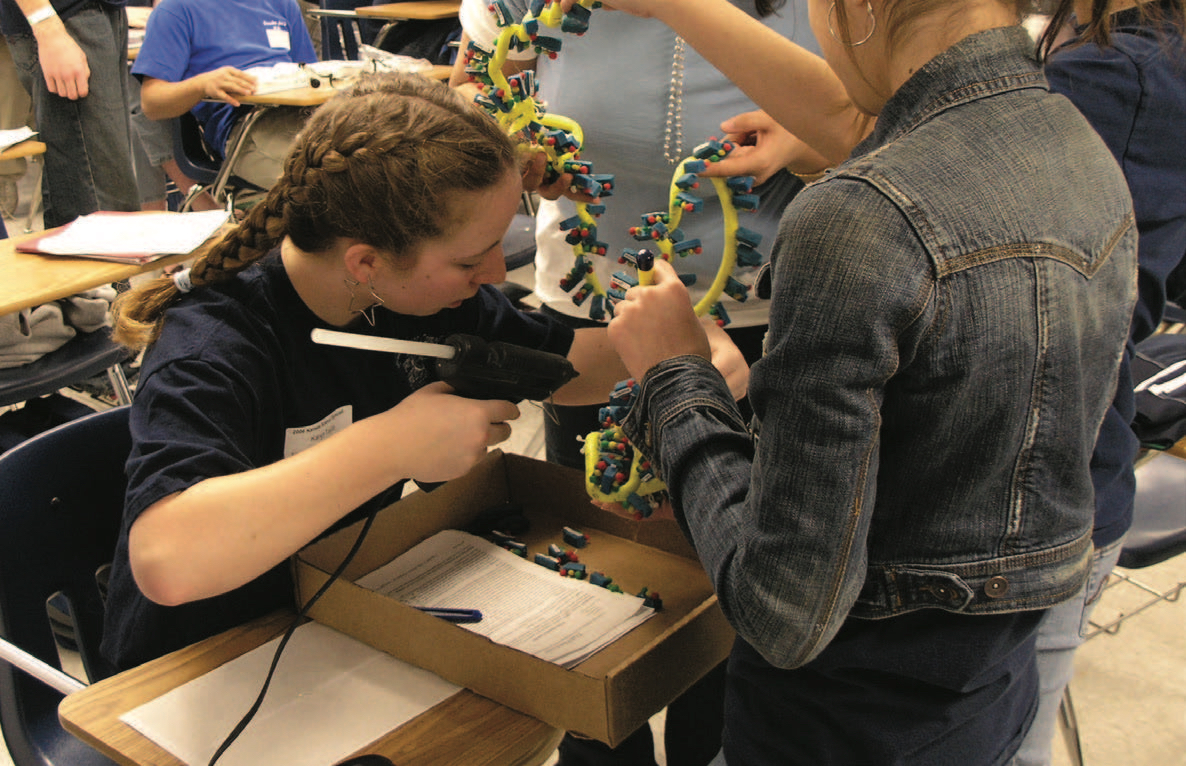
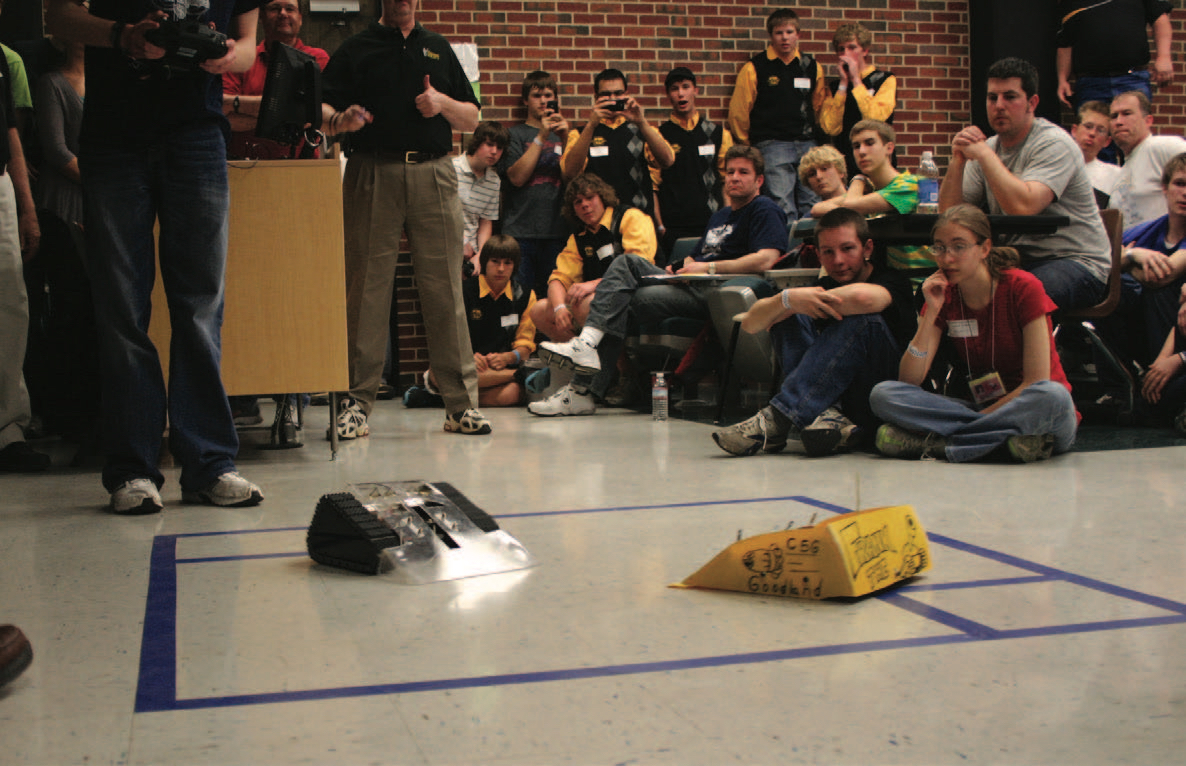
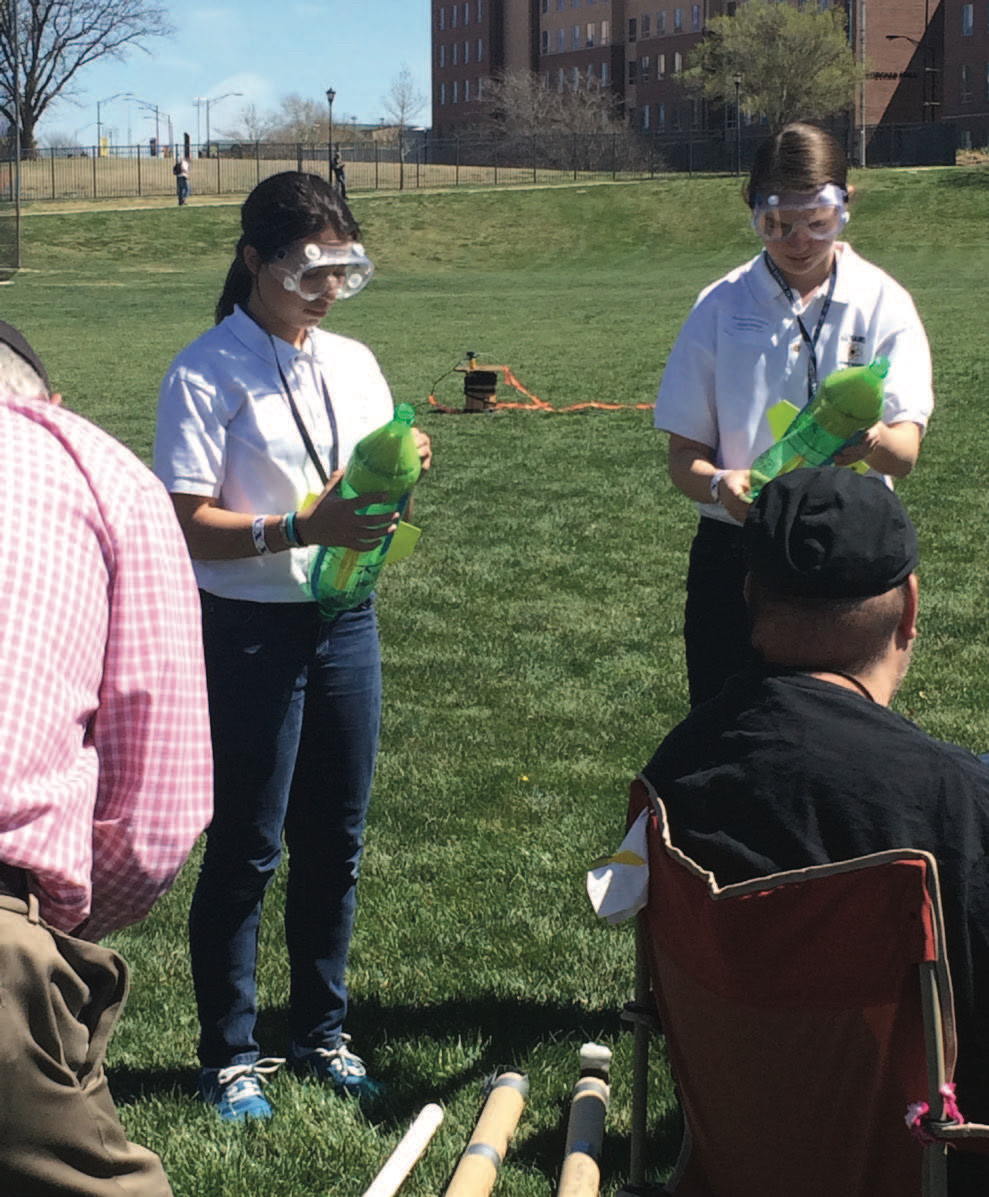
Approximately 1,800 students from across the United States, Canada and Japan will travel to Wichita State May 18-20, 2023 for the Science Olympiad National Tournament.
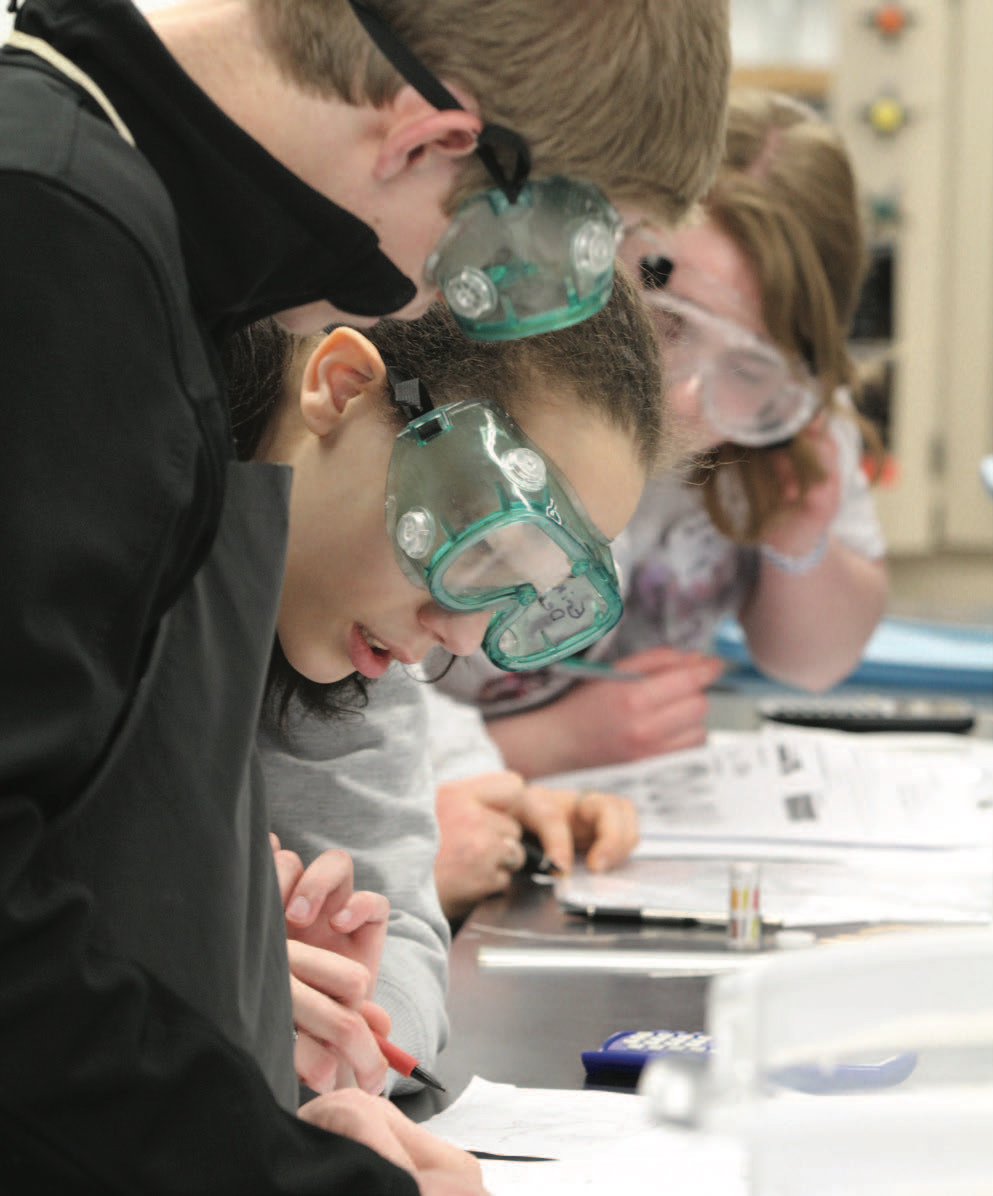
“Science Olympiad is a team competition that allows middle school and high school students a chance to learn about STEM areas that they might not get a chance to in their regular classroom setting,” said Jill Fisher, community outreach coordinator for Fairmount College and the national tournament director.
“Competitions involve device building, testing, lab work and written exams.”
For example, teams might participate in an ornithology event, which includes identification of bird specimens, bird calls, and testing of knowledge of avian diets, habitats and ranges.
Testing and lab activities include wet chemistry, identifying unknown liquids and solids, and basic tests with titrations and pH. Physics labs may include electricity or optics.
“Getting the national tournament is a huge deal,” said Andrew Hippisley, dean. “It will associate Wichita State with STEM education at the national level, and the energy such a large flock of eager young minds brings to the campus is going to be amazing. These are the nation’s future students, researchers, inventors, entrepreneurs. Who knows how significant a step on their path this will be for them?”
Students will be accompanied by siblings, designated coaches, parents and extra students from their schools, bringing the expected attendance to between 4,000 and 7,000.
“This is a huge event. The opening program and the competition is usually high energy,” Fisher said. “It’s a great way to wrap up the Science Olympiad season, which starts in September and goes all the way to May.”
Participants will stay in on-campus housing and local hotels during their visit to Wichita. All competitive activities will take place in the Rhatigan Student Center, classroom spaces, Koch Arena and other athletic facilities.
Wichita State first hosted the national competition in 2007. The university has hosted the Kansas Science Olympiad state tournament every year since 1988.
In Memoriam
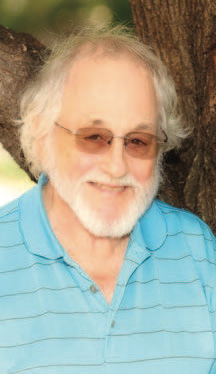
Charles Burdsal, 77, professor of psychology and community psychology PhD coordinator, died Sept.
10. Burdsal began teaching at Wichita State in 1972 and was still teaching at the
time of his death. During his almost 50 years at the university, he served as psychology
department chair and helped establish the doctoral programs for the department. He
was also in charge of the Social Science Research Lab and created the Student Perception
of Teaching Effectiveness evaluation tool. Memorial contributions may be made to the
Wichita State University Foundation, 1845 Fairmount, Wichita, KS, 67260-0002.
Donald Killian, 91, retired associate professor of mathematics, died March 19. Memorial contributions may be made to the Wichita State University Foundation 1845 Fairmount, Wichita, KS 67260-0002 and University Congregational Church, 9209 E 29th St N, Wichita, KS 67226.
Glendon Miller, 82, retired associate professor of biological sciences and director of Environmental Health and Safety, died Aug. 19. Memorial contributions may be made to The Sedgwick County Zoo, 5555 Zoo Blvd, Wichita, KS 67212.
Student Accolades
Abby Bayani-Heitzman, graduate student in English, presented “Decolonizing the Composition Classroom” at the Kansas Association of Teachers of English Conference.
Gary Cicirello, junior in chemistry, won the 2021 American Chemical Society Division of Inorganic Chemistry Award for Undergraduate Research. This national award recognizes the collaborative research of an outstanding North American undergraduate student and her or his preceptor(s) in the field of inorganic chemistry. Cicirello has worked in the lab of Jian Wang, assistant professor of chemistry, since he was a freshman; had two first author papers published in Materials Science in 2021; and continues to synthesize and characterize novel inorganic compounds. He will receive $1,000 and a plaque; Wang, as preceptor, will receive a plaque for permanent display. The award will be presented to both of them at the national ACS meeting in March.
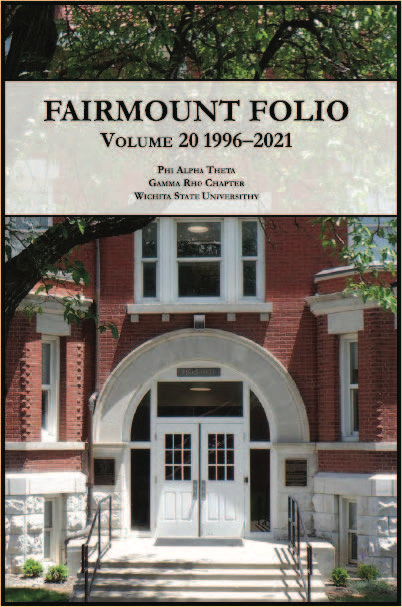
Founded in 1996, the Fairmount Folio, a publication of student research papers by the Department of History and the history honorary society, Phi Alpha Theta, has reached its 25th year of existence. Volume
20 represents the chronological range of history examined by students and papers throughout the years. An accessory volume features Kansas-themed papers. Helen Hundley, assistant professor of history, is the faculty editor.
The Sunflower staff won first place in the National College Media Convention “Best of Show” contest. The Sunflower entered one recent print issue and competed against all other colleges and universities with more than 10,000 students. Additionally, the Sunflower was one of 18 college newspapers nationwide to earn the prestigious Pacemaker Award from the Associated Collegiate Press. It is ACP’s preeminent award. Lindsay Smith, junior in communication and journalism, is editor in chief. Amy DeVault, senior educator of communication, is the student-run newspaper’s faculty advisor.
Blake Overman, graduate student in English, recently presented their research, titled “The Monster in the Bedroom: Queer Anxiety in Frankenstein.” at the Victorian Interdisciplinary Studies Association of the Western United States conference.
Faculty Accolades
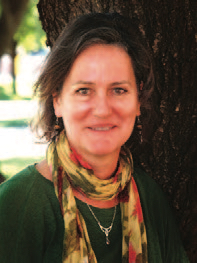
Carryl Baldwin, Carl and Rozina Cassat Professor of Aging, was an invited speaker for the Women in Neuroergonomics panel held via hybrid format in conjunction with the Neuroergonomics Conference in Munich.
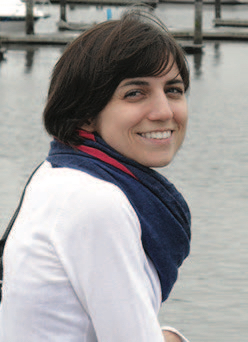
Rebeccah Bechtold, associate professor of English, was awarded the prize for the best paper in historical, literary, and/ or cultural studies at the South Central Modern Language Association annual conference. Her paper was titled “‘My ears flop in your favor’: The Southern Soundscape of William L.G. Smith’s Life at the South.”
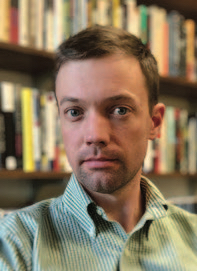
Chase Billingham, associate professor of sociology, received the R&R Award for excellence in editorial service from the peer-reviewed journal Sociology of Education, where he sits on the editorial board. He was an invited presenter, along with renowned author and urban planner Charles Marohn, at “Rethinking Wichita: A Conference on How Wichitans Work, Play, Move and Live,” hosted by Friends University. Additionally, Billingham was one of three invited panelists, along with Mark McCormick, director of strategic communication at the ACLU of Kansas, and Danedri Herbert, political strategist and commentator, on the Mainstream Coalition forum, “Critical Race Theory – What Is It? Why Has It Become a Rallying Cry?”
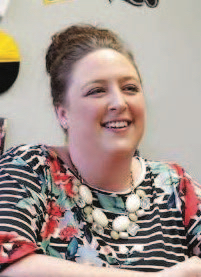
Kaytie Brozek, academic advisor, has been elected to serve as vice-chairperson for the Kansas Academic Advising Network. She will spend one year each as vice-chair, chairperson and past-chair.
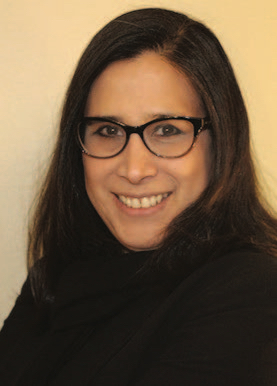
Rocio del Aguila, associate professor of Spanish, has been appointed as the technical advisor for the Kansas Hispanic Latino American Affairs Commission of the Office of the Governor. She is also a member of the advisory council for Wichita’s International Rescue Committee.
Amy DeVault, senior educator of communication and faculty advisor to The Sunflower, has been elected president for Kansas Collegiate Media and will serve a two-year term.
Twyla Hill, professor of sociology, and Cheyla Clawson, assistant professor of dance, were presented with the Issues in Aging Professional Award at the Annual Meeting of the National Council on Family Relations. Their presentation, funded by the Regional Institute on Aging, was titled “Choreographing Matrilineal Memories by Combining Oral History Interviews and Dance.”
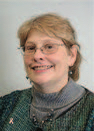 Susan McCoy, laboratory coordinator for chemistry, presented a talk “How to Manage Chemistry
Labs in a Pandemic” at the State of Kansas Health and Safety Conference. She has also presented
the talk at the Midwest Regional Meeting of the American Chemical Society, and virtually
to the CyberChapter of America Hazardous Materials Professionals and the Chesapeake
Area Biological Safety Association.
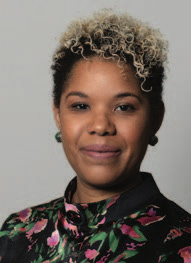
Angela Scott, academic advisor, has been elected to serve a two-year term as membership chair for the Kansas Academic Advising Network. She was also recognized as Academic Advisor of the Year by the Student Government Association and received the annual Lighthouse Award from TRIO-Disability Support Services.
Angela Scott and Kaytie Brozek, academic advisors, collaborated with Lori Evans, first-year advisor for OneStop Student Services, to present “TAN: Building an Advising Network” at the 2021 Kansas Academic Advising Network conference. The presentation demonstrated the importance of providing professional development to those in advising roles and highlighted the work that has been done at Wichita State University to promote those opportunities.
Shang-You Yang, research associate professor of biological sciences, has been honored by the Wichita Business Journal as a 2021 Health Care Hero.
Fairmount College Inducts Three Into Hall of Fame
A champion for women and water quality, a world-reknowned heart surgeon and an ambassador to Tanzania, all whom exemplify the merits and advantages of a liberal arts and sciences education, were inducted at the Fairmount College of Liberal Arts and Sciences Hall of Fame ceremony Oct. 22. Induction into the Fairmount College Hall of Fame is the highest recognition of outstanding alumni who have had a significant impact on the region, nation and world.
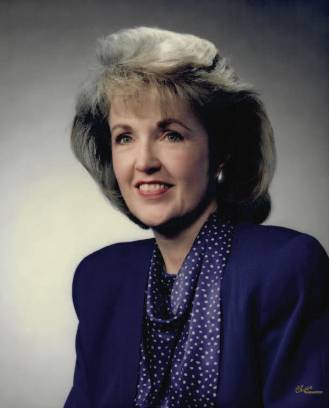
Quincalee Brown, 1961
BA-English; BA-Speech
Brown served the Water Environment Federation as its executive director and was a founding member of the Water Environment Research Foundation. She also worked as an independent water quality and association management consultant. Prior to her work with water quality, Brown held several positions in organizations that served the needs of women in the Washington, D.C. area. Brown is also a former Wichita State debate coach.
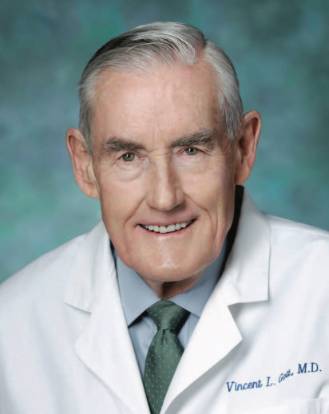
Vincent L. Gott, 1951
BS-Biological Sciences
Over the course of his career, Gott assisted in developing the earliest pacemaker and artificial heart valves. During his time at Johns Hopkins Hospital, he performed the first heart transplant operation, and perfected operational procedures for correcting congenital heart defects in patients with Marfan syndrome. He trained and mentored more than 60 thoracic surgery residents and fellows.
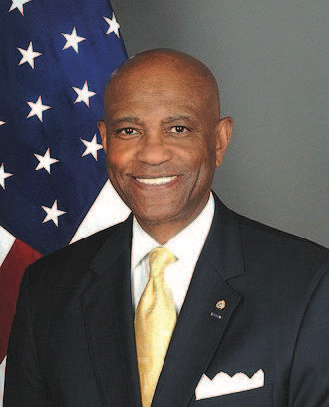
Alfonso Lenhardt, 1976
MS-Administration of Justice
The former U.S. ambassador to Tanzania, Lenhardt has also served the U.S. Senate as Sergeant at Arms, as U.S. representative to the East African Community, and in high leadership positions for the U.S. Agency for International Development. Before holding these government positions, he had a long career with the U.S. Army, retiring as major general.