Community Projects

  • Partnership with Counseling and Prevention Services and Hope Services @ WSU

    BCRAT uses secondary data from the American College Health Association - National College Health Assessment III Survey (NCHA) to examine the health behaviors of college students. The aim of the survey is to fulfill the academic mission by supporting short- and long-term healthy behaviors of students and gain a current profile of health trends faced by students on our campus such as depression, substance use, risk of suicide, health disparities, and differences in sub-populations. The survey can provide data for areas to promote strengths and provide information where the University may want to intervene.

  • Department of Corrections Grant

    The Behavioral Community Research and Action Team has a partnership with the School of Criminal Justice and the University’s Midwest Criminal Justice Institute through a grant funded by the Sedgwick County Department of Corrections. BCRAT provides consultation and evaluation support to the Department of Corrections.

    · The main project focuses on creating best practices for Crossover Youth (youth who may find themselves in both foster care and in juvenile detention).

    · Monitoring the implementation of Veterans Treatment Court.

    · Developing new programs and initiatives and quality improvement for juvenile client populations.


Keeping ICT Safe Prevention Program

The Keeping ICT SAFE (Substance Abuse Prevention Focusing on Empowerment) grant was funded by SAMHSA. The project focuses on reducing e-cigarette use among youth, reducing the onset and progression toward opioid use, and increasing mental health education, awareness and reducing mental health stigma in Sedgwick County. It is a partnership between Wichita State University, Health Core Clinic, St. Mark United Methodist Church, and the Wichita Children’s Home.


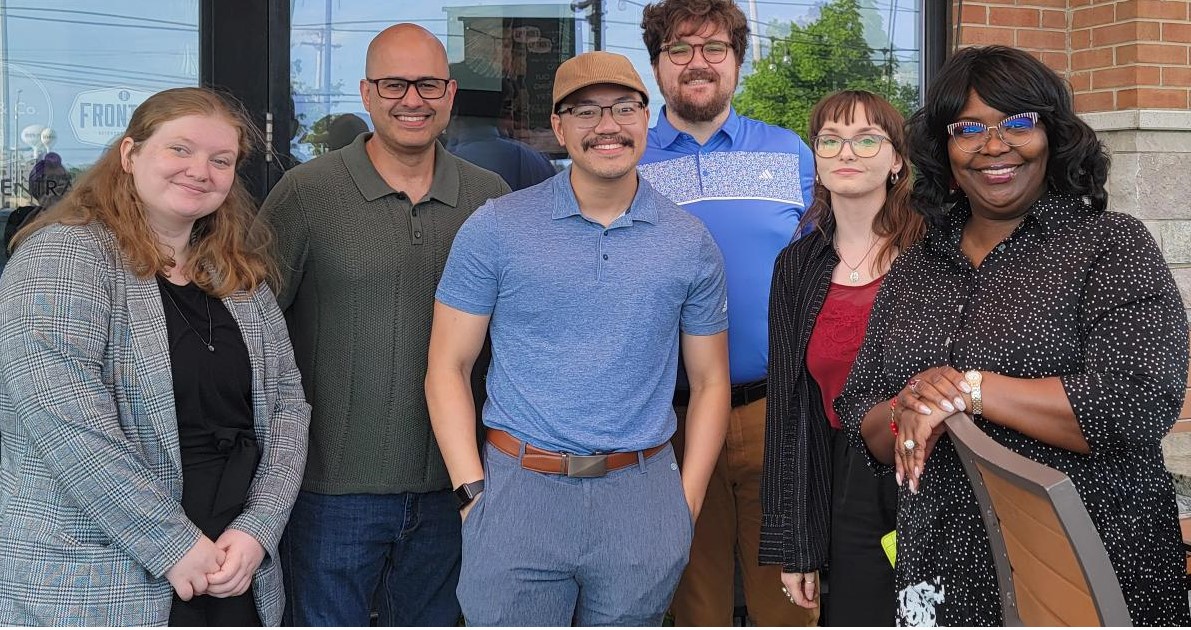
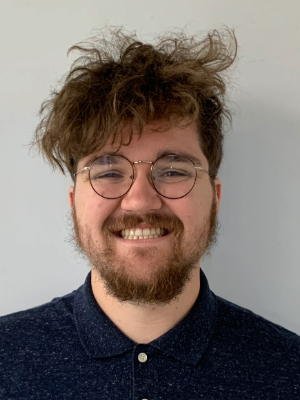
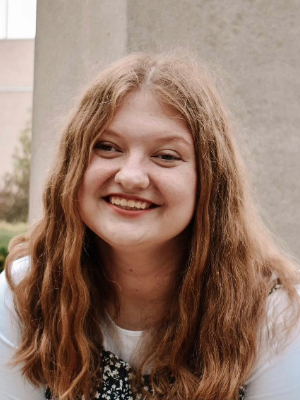
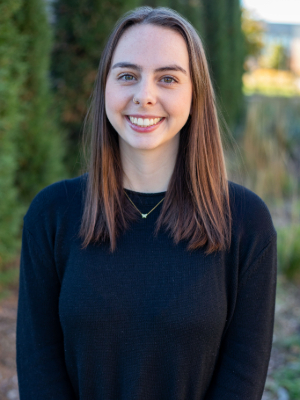
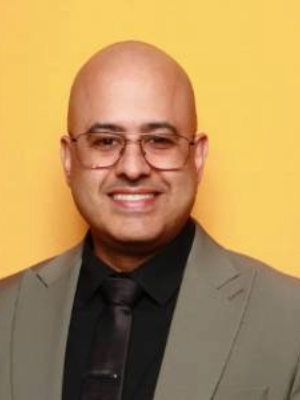
Research Team

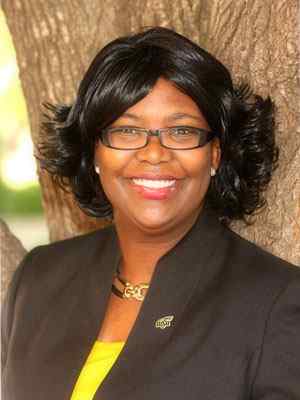
  • Dr. Rhonda K. Lewis

    Community Program Coordinator, Graduate Coordinator, and Professor of Psychology, Director, BCRAT

    Dr. Rhonda K. Lewis received her Ph.D. in Developmental and Child Psychology from the University of Kansas and her Master of Public Health from the University of Kansas School of Medicine. She is the Director of the Behavioral Community Research and Action Team (BCRAT), at Wichita State University. The research team focuses on building the capacity of community-based organizations, using ecological and strengths-based approaches to make community change.  She is the PI of Keeping ICT SAFE (Substance Abuse Prevention Focusing on Empowerment) a grant funded by the Substance Abuse Mental Health Services Administration and she is the Co-PI for a grant funded by Sedgwick County Department of Corrections. She is a Service-Learning Faculty Fellow and a Culturally Responsive evaluation expert. She is a community-engaged researcher who investigates educational inequities, health equity, positive youth development, mental health, substance-use prevention and health promotion in the community. She is a member of the Society for Community Research and Action for Division 27 of APA, is a SCRA Division 27 Fellow, and a member of the SCRA’s Research Council. She is a member of the Association of Black Psychologists, is a member of the American Evaluation Association, and is a proud member of Delta Sigma Theta Sorority, Inc. Currently, she is the President of the Kansas State Association of Black Psychology.

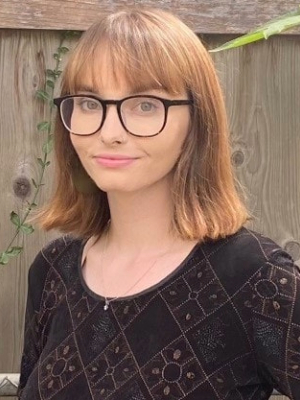
  • Madi Defrain

    6th Year Clinical-Community Psychology Doctoral Student

    I am a doctoral student in Clinical-Community Psychology at Wichita State University, where I also earned my Master’s in Community Psychology in 2022. My research is located at the intersection of environmental justice and psychological well-being in neurodivergent and gender expansive communities. Clinically, I conduct autism evaluations and draw on my community psychology background to bring an ecological perspective to service provision.

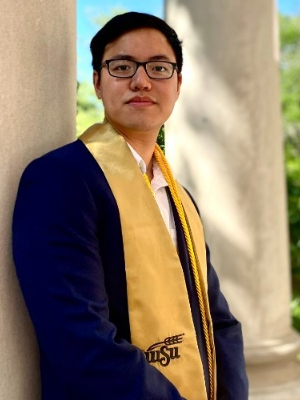
  • Ngoc Vuong

    4th Year Community Psychology Doctoral Student

    Ngoc Vuong is a fourth-year community psychology PhD candidate. His research focuses on behavioral health reform, drug policy reform, and education reform. He has conducted research on the attitudes, insights, and recommendations of stakeholders in addressing substance-related harms and various evaluation projects with school districts, community coalitions, health departments, and state agencies. For his dissertation, he is investigating the academic and behavioral effects of personal electronic device policies in middle and high schools in Kansas. Outside of school, Ngoc serves on the Wichita Public Schools Board of Education, elected in 2023 as its youngest and first Asian American member.

  • Alex Wren

    4th Year Community Psychology Doctoral Student

    Alex Wren is a fourth-year community psychology PhD student. His primary research interest is in how people interact with the social systems around them. He is currently working on research with youth who are in the foster care and juvenile justice systems. Alex also has experience evaluating county organizations and programming.

  • McKenzie James

    3rd Year Community Psychology Doctoral Student

    McKenzie James is a 3rd year Community Psychology Ph.D. program doctoral candidate. Her research interests are women's health and belongingness. Currently, she is working on projects at KU Medical School-Wichita and the Getting Ahead Project with Bridges ICT. She is a member of the Behavioral Community Research and Action Team (BCRAT) in the Psychology Department.

  • Katrina Henley

    3rd Year Community Psychology Doctoral Student

    Katrina Henley is a third-year community doctoral student. Her interests revolve around the community response to sexual assault, including survivor treatment by the police, hospitals, and crisis centers. She is currently a hotline victims advocate for the local sexual assault center and is a practicum student for the Wichita State Community Engagement Institute. Katrina has experience working on different evaluations and statistical analyses for community partners.

  • Samuel Paunetto

    1st Year Community Psychology Doctoral Student

    Sammy Paunetto is a first-year community psychology Ph.D. student. He received a bachelor's degree in General Sociology from Inter American University of Puerto Rico, a Master’s degree in Divinity from the Evangelical Seminary of Puerto Rico, and a Master’s degree in Social Work from Wichita State University. He is an adjunct professor at the WSU School of Social Work and a member of the Think Tank at the Kansas Health Foundation. He is also the Founder & Executive Director of Podemos, a non-profit dedicated to expanding mental health services in the local Hispanic community. In addition, Samuel is the author of the UPSTREAM curriculum, a cultural competence and anti-racism training program for healthcare professionals.

  • Maya Gulliford

    1st Year Community Psychology Doctoral Student

    I was born and raised in Cincinnati, Ohio, and I hold both a bachelor’s and a master’s degree in psychology. I am currently a first-year PhD student in the Community Psychology program, working under the guidance of Dr. Lewis. My long-term goal is to collaborate with nonprofit organizations to develop and implement effective practices that create meaningful and lasting impacts within the community. At present, I am assisting my brother with the creation and development of a nonprofit organization dedicated to reducing homelessness back in Cincinnati and supporting individuals as they reintegrate into society by providing access to resources, skills training, and community connections.

• • • • • • • • • • • • • • • • • • • • • • • • • • • • • • • • •  

Alumni

  • David Stowell, Ph.D.

    David Stowell, Ph.D., is the Chief Operations Officer at HealthCore Clinic. He oversees all operational aspects of the clinic, focusing on leading research efforts, reporting, grant writing, improving quality, and utilizing data to support HealthCore's mission. David joined the HealthCore team in 2011 while completing his doctorate in Community Psychology at Wichita State University. He is passionate about providing access to high-quality, integrated healthcare for all, regardless of their ability to pay. David's expertise in Community Psychology significantly impacts HealthCore’s mission, driving innovations that enhance patient care through data-driven strategies and comprehensive research. His leadership plays a crucial role in developing programs that serve a diverse patient population, demonstrating his commitment to high-quality, integrated healthcare. David’s interests in outdoor activities and his dedication to family resonate with his professional ethos of holistic health and wellness.

  • Kyrah K. Brown, PhD

    Kyrah K. Brown, PhD, is an associate professor and director of the maternal and reproductive health equity research lab in the College of Nursing and Health Innovation at The University of Texas at Arlington. She earned her BA in Psychology from Spelman College and earned a MA and PhD in Community Psychology from Wichita State University. After graduate training, she completed a postdoctoral fellowship at an academic-public health partnership through Sedgwick County Health Department and University of Kansas School of Medicine-Wichita. In addition to academia, she has worked in nonprofit and governmental public health settings. When she is not working with community or training early-career trainees, she is prioritizing rest and connection with her family and friends.

  • Tasha Parker, Ph.D

    Dr. Tasha Parker is a community psychologist and licensed clinical social worker with over 14 years of experience in clinical practice, organizational development, and systems-level evaluation. She is the founder and Community Partnership Guide of the Institute of Development (IOD), a boutique consulting firm that partners with nonprofits, public agencies, and philanthropic organizations to support strategy development, research and evaluation, and organizational development.

    Dr. Parker blends academic rigor with human-centered storytelling to help organizations strengthen evaluation capacity, reimagine strategy, and achieve sustainable impact. She specializes in trauma- and resiliency-informed evaluation, collaborative systems design, and equity-focused capacity building across various sectors, including public health, social impact, education, and prevention.

    Dr. Parker also leads The Center for Collective Impact, the technical assistance and learning arm of IOD. The Center serves as a hub for applied innovation, capacity building, and long-term collaborative impact, offering tailored organizational support and opportunities for partners to join broader constellations of practice and networks of change.

    A sought-after strategist, evaluator, and facilitator, Dr. Parker has guided multi-sector coalitions, designed youth-centered research models, and advised philanthropic initiatives on equitable futures. She is a Culturally Responsive Equitable Evaluation Scholar Alumni and a Goldman Sachs One Million Black Women: Black in Business Alum. She is committed to redistributing power through evaluation and fostering spaces where healing, innovation, and accountability intersect. She believes the true currency for sustainable system change is rooted in equity, cultural and intellectual humility, and harm reduction.

  • Alissa Bey, Ph.D

    Dr. Bey is a strong community-based social science researcher with a focus on the well-being of marginalized groups. Areas of interest revolve around research that supports prevention, policy, and equity-based systems change.


    Alissa has a demonstrated history of working in public health and human services research to improve social determinants of health (e.g. communities, working conditions, etc.), mental health (e.g. suicide prevention, etc.), and physical health (e.g. access to nutritious foods, green spaces, etc.).

    Skilled in qualitative and quantitative research, facilitation, providing research and data-based technical assistance, relationship building, and program evaluation.

  • Rosalind Canare, Ph.D

    Rosalind Canare received her PhD in Community Psychology from Wichita State University in 2022. Her main research interests include criminal justice reform, particularly quality-of-life and foodways for the incarcerated, as well as the behaviors of conspiracy theory believers. She is an experienced facilitator with additional expertise in applied, participatory, and mixed methodology research, and is also a member of the American Evaluation Association, the Society for Community Research and Action (SCRA), the Midwest Psychological Association (MPA), and the American Psychological Association (APA). She has presented at regional and national conferences such as the SCRA biennial conference, the MPA annual conference. Her 2YP won second place at the annual Research Roundup. Today she lives in Columbia, South Carolina employed as an instructor at the University of South Carolina.

Publications

2025 Adverse Childhood Experiences, Substance Use and the Challenges of Help-Seeking among College Students Living in the Midwest.

Wren, A., DeFrain, M., Minor, A. & Lewis, R. K  (2025). Adverse Childhood Experiences, Substance Use and the Challenges of Help-Seeking among College Students Living in the Midwest. Journ Child Adol Trauma. https://doi.org/10.1007/s40653-025-00738-6

2025 Lessons Learned from a Grassroots Harm Reduction Effort to Prevent Drug Overdose Deaths.

Vuong, N., Davis, P., Lemus, L., Ream, N., & Lewis, R. K. (2025). Lessons Learned from a Grassroots Harm Reduction Effort to Prevent Drug Overdose Deaths. Journal of Prevention & Intervention in the Community, 53(2), 220–251. https://doi.org/10.1080/10852352.2025.2526236

2025. Harm Reduction Perspectives of the Opioid Epidemic from Kansans, for Kansas: A Thematic Analysis.

Vuong, N., Lewis, R. K., Dickens, D. (2025). Harm Reduction Perspectives of the Opioid Epidemic from Kansans, for Kansas: A Thematic Analysis. Journal of Prevention and Intervention in the Community. Themed Issue Harm Reduction in the Community. https://doi.org/10.1080/10852352.2025.2487965

2024. Examining Rurality and Social Determinants of Health Among Women with GDM: A 15-year Comprehensive Population Analysis.

Ali, U., Cure, L., Lewis, R.K., Rattani, A., Hill, T., & Keene Woods, N. (2024). Examining Rurality and Social Determinants of Health Among Women with GDM: A 15-year Comprehensive Population Analysis. BMC Women’s Health Journal. 24, 1-10. https://doi.org/10.1186/s12905-024-03306-6.

2024. Providing Faculty to Faculty Support Moving the Needle Forward in Service-Learning from Limited Exposure to Implementing a Campus-Wide Program

Lewis, R. K., Redger-Marquardt, C., & Fischer, K. (2024). Providing Faculty to Faculty Support Moving the Needle Forward in Service-Learning from Limited Exposure to Implementing a Campus-Wide Program. Journal of Higher Education Outreach and Engagement. 28, 5-22.

2024. Culturally competent substance use treatment for Black American communities.

Redmond, M. L., Lewis, R. K., Parker, T., Canare, R., Dickens, D., & Malone, S. (2024). Culturally competent substance use treatment for Black American communities. In C. A. Downey & E. C. Chang (Eds.), Substance use disorders in underserved ethnic and racial groups: Using diversity to help individuals thrive (pp. 83–105). American Psychological Association. https://doi.org/10.1037/0000384-004

2023. Racial reckoning, resistance, and the revolution: A call to community psychology to move forward.

Martin, P., Lewis, R. K., & Guzman, B. (2023). Racial reckoning, resistance, and the revolution: A call to community psychology to move forward. American Journal of Community Psychology: Special Issue.

2023. Reproductive Justice for Black, Indigenous, Women of Color: Uprooting Race and Colonialism.

Suarez-Balcazar, Buckingham, S., Rusch, D., Charvonia, A., Young, R., Lewis, R., Ford-Paz, R., Tara, M., & Perez, C. (2023). Reproductive Justice for Black, Indigenous, Women of Color: Uprooting Race and Colonialism. Special Issue: American Journal of Community Psychology. DOI: 10:1002/ajcp.12650.

2023. Compassion Fatigue among Spiritual leaders: A pilot study. Journal of Pastoral Care & Counseling.

Malone, S., & Lewis, R. K. (2023). Compassion Fatigue among Spiritual leaders: A pilot study. Journal of Pastoral Care & Counseling. 64–72. DOI: 10.1177/15423050221126099.

2022. COVID-19 and Vulnerable Populations.

Lewis, R.K., Martin, P., & Guzman, B. (2022). COVID-19 and Vulnerable Populations. Editorial. Journal of Community Psychology: Special Issue.

2022. Examining patient and provider experiences with integrated care at a community health clinic.

Petts, R., Lewis, R. K., Brooks, K., McGill, S., Lovelady, T., Galvez, M., & Davis, E. (2022) Examining patient and provider experiences with integrated care at a community health clinic. Journal of Behavioral Health Services & Research. 49, 32–49. https://doi.org/10.1007/s11414-021-09764-2.

Resources

Contact us

Dr. Rhonda K. Lewis

Phone Number: (316) 978-3695

Email Address: rhonda.lewis@wichita.edu

Find us on a map

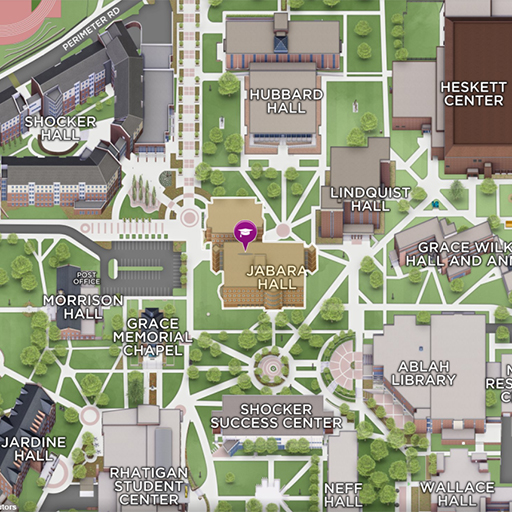
Mini map displaying the location of Jabara Hall. You can click to visit the WSU interactive campus map.

Lab location

We're located on the fourth floor of Jabara Hall.


©