


Wichita State University
Learn More or Contact Us
Learn more about these and other services offered through our partner network!
Contact:
John Colclazier
Program Manager
Environmental Finance Center
Wichita State University
(316) 978-7470
john.colclazier@wichita.edu
Training and Assistance for Small Water and Wastewater Systems
Southwest EFC
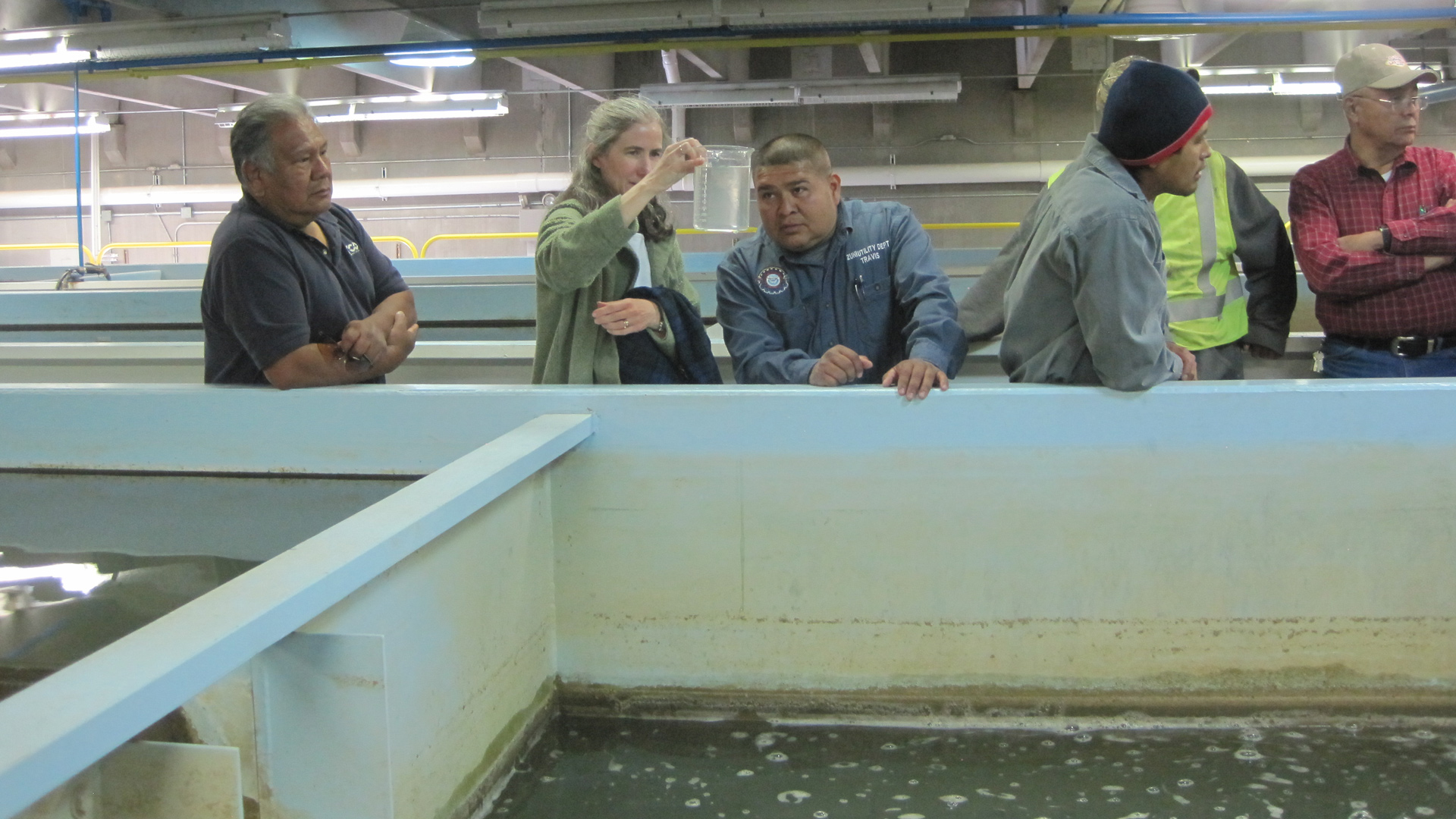
The Environmental Finance Center at Wichita State University, in partnership with the Southwest Environmental Finance Center at the University of New Mexico, offers tailored training and technical assistance for rural, small, and tribal water and wastewater utilities, funded by the EPA. Our program provides essential support to these communities, helping them navigate compliance with the Safe Drinking Water Act and the Clean Water Act, assess aging infrastructure, and secure vital federal funding.
By enhancing the technical, managerial, and financial capabilities of water and wastewater treatment systems, we aim to help utilities improve their finances, operations build support from leadership and customers that ultimately protects public health and the environment.
Support for Water Utilities Who Need it Most
Across the country, many small and rural communities continue to face serious challenges, from a rapidly retiring water workforce and chronic staffing shortages to a growing crisis of aging infrastructure, where pipe breaks and system failures are becoming more frequent and costly.
Thanks to funding through two EPA grant programs, Training and Technical Assistance for Small Systems and the Training and Technical Assistance Program for Rural, Small, and Tribal Wastewater Systems, the EFC continues to help communities overcome barriers through practical, tailored support that strengthens local capacity, builds confidence in decision-making,and promotes financially and operationally sound utility management.
This project has been funded wholly or in part by the United States Environmental Protection Agency under assistance agreements to Wichita State University Environmental Finance Center. The contents of this webpage do not necessarily reflect the views and policies of the Environmental Protection Agency, nor does the Environmental Protection Agency endorse trade names or recommend the use of commercial products mentioned in this document, as well as any images, video, text, or other content created by generative artificial intelligence tools, nor does any such content necessarily reflect the views and policies of the Environmental Protection Agency.