


Wichita State University
Technology has advanced the means to forge or alter images and documents. This history of deepfakes reminds us that efforts to deceive are nothing new.
Writing in Accounting Today, Sara Lord explains how professional skepticism has always been used to validate information through probing questions, critical assessment of evidence, and attention to red flags and inconsistencies.
Vlogbrother John Green's history of deepfakes explains why we can't be too quick to simply accept things as they first appear, whether photographs or documents.
A Brief History of Unreliable Images
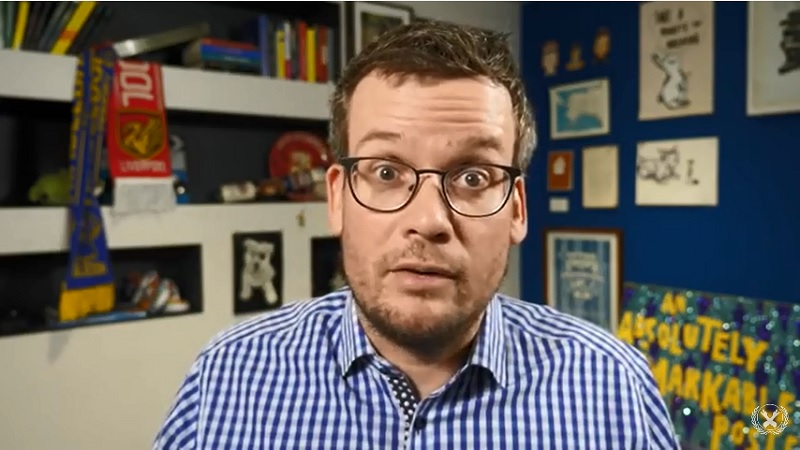
We trust our eyes ... but we better learn how to live in a world where we truly cannot believe our eyes.
John Green
Professional skepticism is certainly important for internal auditors, but also for compliance specialists, attorneys, department heads or anyone with review or approval responsibilities. As the university moves toward more electronic approvals, it becomes increasingly easy to simply click to approve and move on.
Because the approver also takes responsibility for the transaction, it's imperative to slow down to critically assess with a questioning mind the supporting documents without assuming everything is in order.