
Elliott School of Communication

The Elliott School of Communication produces research and creative activity consistent with the university’s adoption of the Uniscope model. It includes traditional scholarly research on topics such as media effects, social media, media history, political communication and persuasion. It also includes a wide range of activities where faculty provide their expertise to community partners to solve communication-related problems, including engaging in applied research and creating original and creative works.

Grants & Contracts

FY 22 (to date): $206,490

FY 21: $238,887

FY 20: $149,682

Contracts include hosting virtual online mock trials and focus groups for law firms and litigation consulting companies, community attitude surveys and focus groups on topics such as energy efficiency, satisfaction with insurance coverage, student perceptions of vaping, parental communication preferences for schools, and local media coverage.

Applied Research & Engagement

ESC faculty and students partnered with a wide range of local, regional and national partners to provide our expertise on the following projects:

  • Alce su voz
  • Blue Cross Blue Shield of Kansas
  • Go Baby Go
  • Haysville USD 261
  • Kansas Corporation Commission
  • Kansas Non-profit Chamber
  • Kansas Securities Commission
  • League 42
  • Midwest Interstate Passenger Rail Commission
  • Robert J. Dole VA Center
  • Sedgwick County Health Department
  • Tango Flight
  • Tsongas Litigation Consulting
  • United Way of the Plains
  • Valley Center Vietnam Moving Wall
  • Wichita Airport Authority
  • Wichita Community Foundation
  • Wichita Transit


Publication Highlights

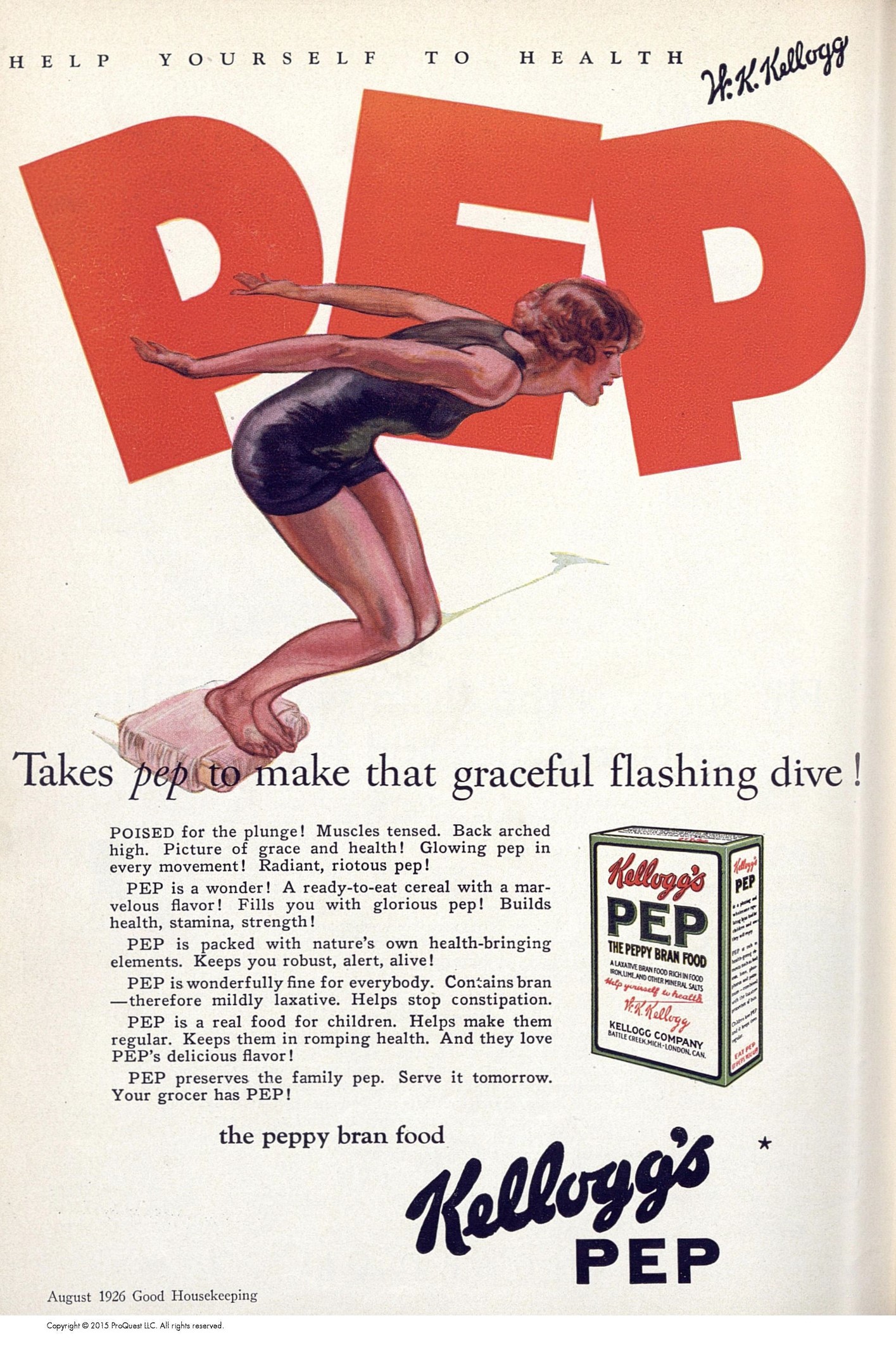
Myers, P. and Parcell, L. M., (2022) Beauty and the bran: Kellogg’s campaign to ‘correct faulty elimination’ and conquer the cereal industry. Journalism History.

Xiao, M. & Myers, P. (2022). Pride and prejudice and county-of-origin ecological images: The influence of COO ecological image on consumer evaluation of product greenness and green claim credibility. Environmental Communication.

Abdinnour, S., Meinecke, R., Parcell, L. M., and Price, J., (2022) Serving up a slice of entrepreneurship on campus: The new Pizza Hut museum. The Public Historian.

Bonus, J. A., Wing, H., & Watts, J. (2021). Finding refuge in reverie: The terror management function of nostalgic entertainment. Communication Monographs, 1-24.

Xiao, M. (2021). Social media superstar: The success and controversy of DJ Khaled. SAGE Business Cases.

Jarman, J. W. (2021). Large and small: Motivated interpretations of statistical evidence. In D. Hample (Ed.), Local Theories of Argument (pp. 524-531). New York: Routledge.

Xiao, M. (2020). Factors influencing eSports viewership: An approach based on the theory of reasoned action. Communication & Sport, 8 (1), 92-122.

Chyi, H. I., Lee, A., & Tennant, J. I. (2019). News across the Great Wall: Asian news organizations’ web strategies for the China market. Journal of Media Business Studies. 16(4): 307-325.

Jarman, J. W. (2019). It wasn’t even close: Viewers’ thoughts about the first 2012 presidential debate. In E. A. Hinck (Ed.), Televised Presidential Debates in a Changing Media Environment, Volume 1: The candidates make their case (pp. 165-184). Santa Barbara, CA: Praeger.

Become More - Fairmount College of Liberal Arts and Sciences - WSU Logo

©