Department of Biological Sciences

Research in the Department of Biological Sciences includes the participation of faculty, staff, undergraduate students, and graduate students. Our research and teaching agendas include a balance of both cell/molecular and organismal/ecological activities. Those activities are conducted in dedicated laboratory spaces in Hubbard Hall and at a unique cohort of Field Station sites.
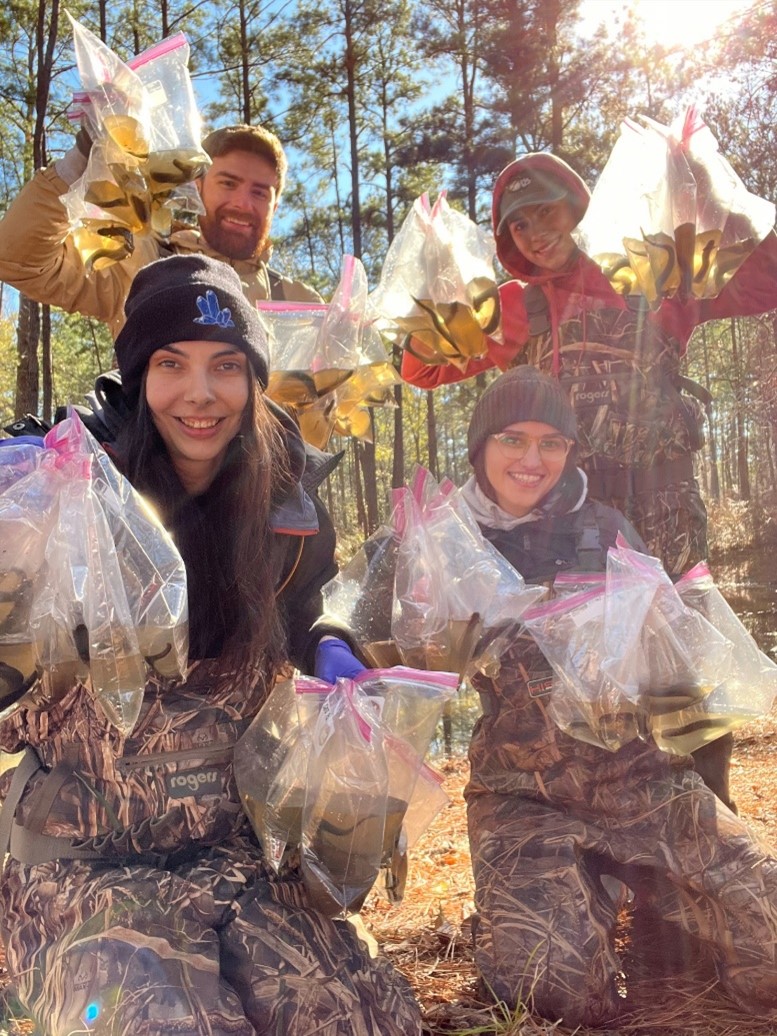
  • four students hold bagged specimens in camo bibs
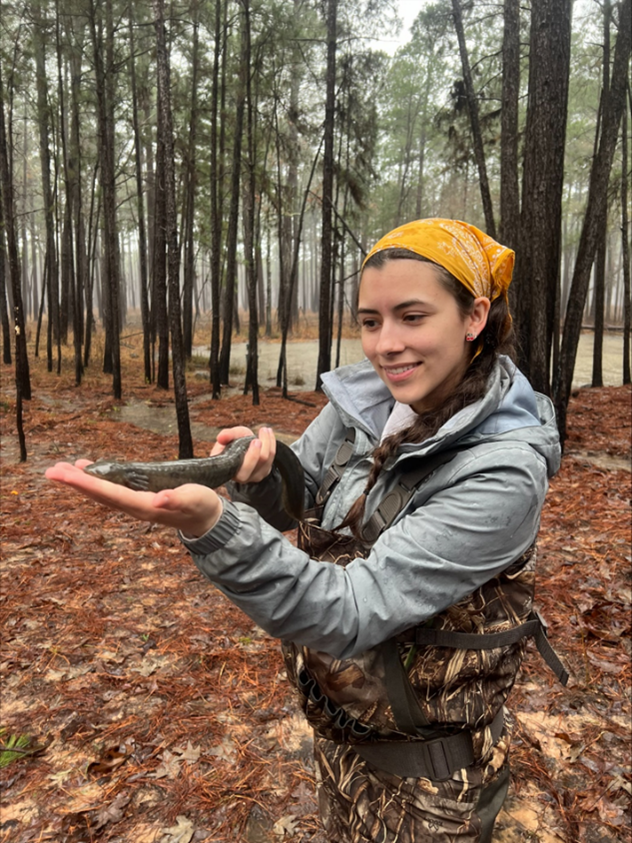
  • Girl in camo bibs holding snake
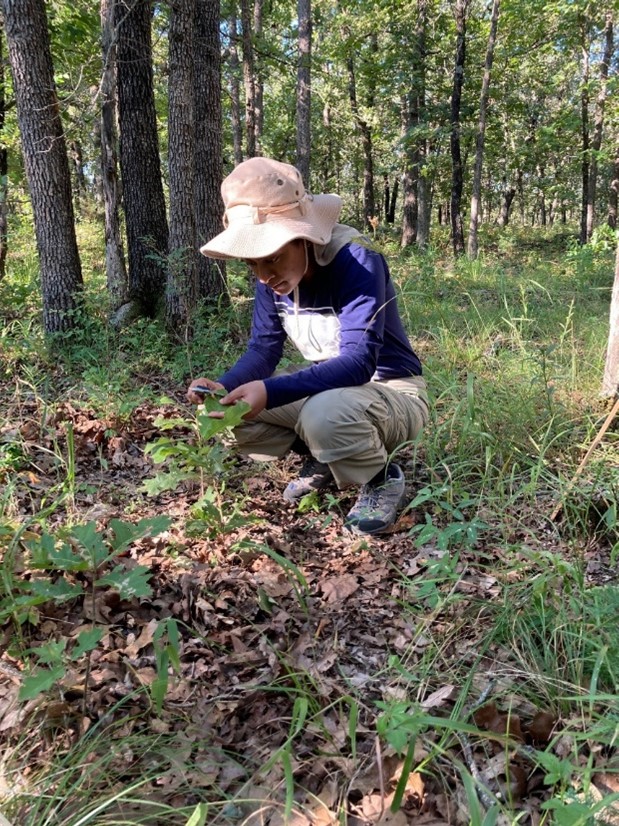
  • Student inspecting leaf
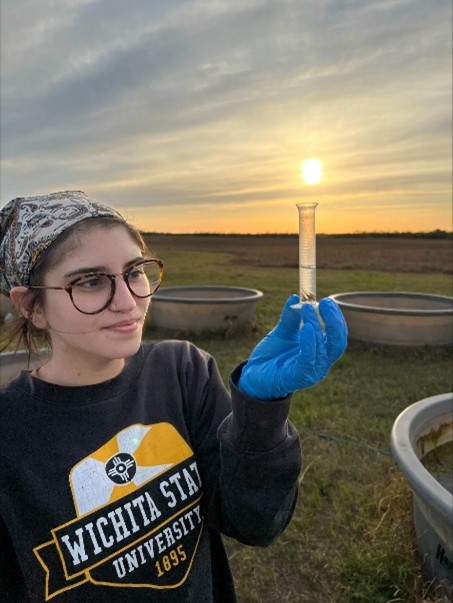
  • Student holding vial.
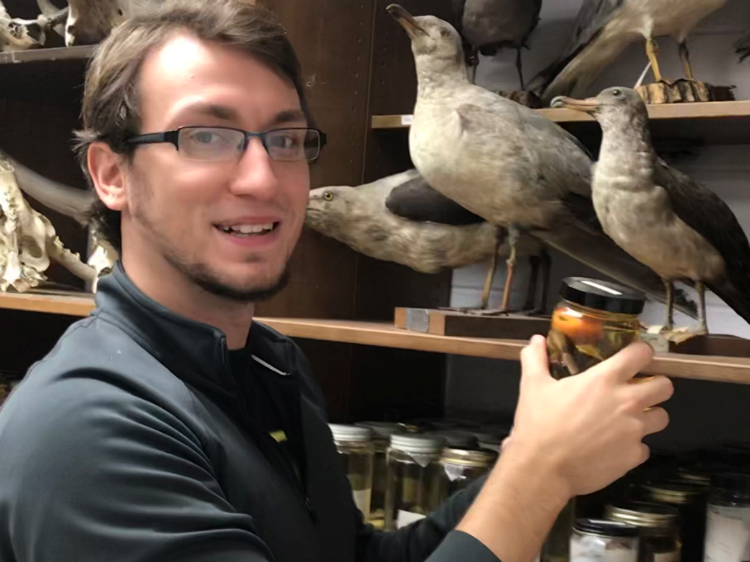
  • Guy in glasses with birds
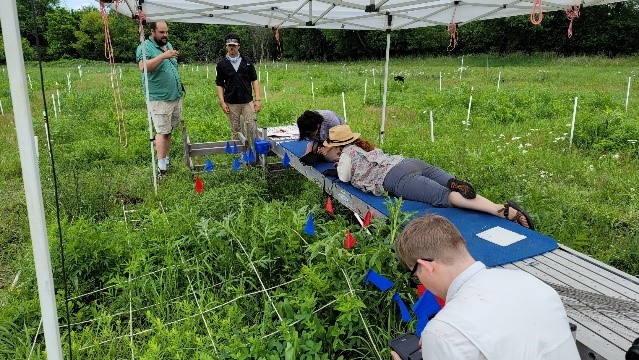
  • Students searching flora
  • bill
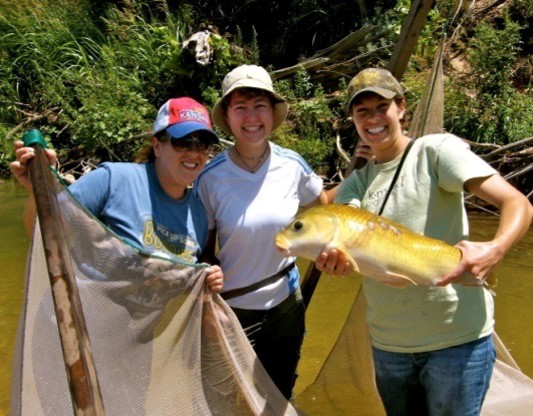
  • fish
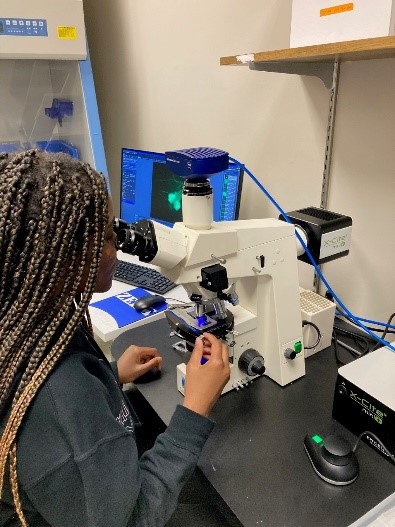
  • Girl looking into microscope
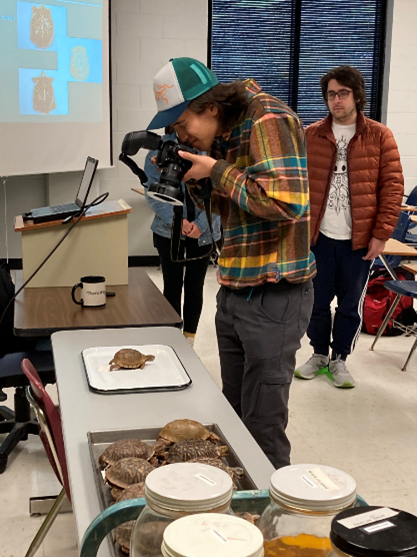
  • Student taking picture of specimen

Faculty Research Agendas

Beck:                         Plant Systematics and Evolution.

Bousfield:                  FSH Glycobiology.

Hendry:                     Cancer Biology and Molecular Endocrinology.

Houseman:               Grazing Ecology of Prairie, Seedbank of Invasive   Plants.

Jameson:                  Insect Biodiversity.

Logan:                       Developmental Systems Biology.

Luhring:                     Aquatic Ecology, Climate Change.

McDonald:                Molecular Genetics and Antimicrobial Strategies.

Russell:                     Population Ecology, Plant-Animal Interactions.

Schneegurt:              Microbiology and Astrobiology.

Shuai:                       Molecular Biology of Plants.

Yang:                        Orthopedic Biomaterials.

Yao:                          Regenerative Neurobiology

Grant Activity: 2022 - Present

  • Proposals Submitted:  42.
  • Proposals Awarded:  21.
  • Total funding:  $7,209,734.

-For 2023 alone, the support thereby provided for past or current student work through research and/or publication output included 76 undergraduate and 37 MS graduate students.

-Also note that the K-INBRE program (described in the top right panel) supports research faculty, students, and a range of infrastructure/equipment needs in the departments of Biological Sciences, Chemistry and Biochemistry, and Biomedical Engineering.


Biological Sciences Department Logo

Funding Highlights

-George Bousfield:  National Institutes of Health/National Institute on Aging; GlycoFormA, Ltd; The Aging Pituitary/Gonadal Axis; $2,337,854.

-William Hendry:  National Institutes of Health/Kansas IDeA Network of Biomedical Research Excellence (K-INBRE); Supports the Undergraduate Coordinator Office, student scholars and faculty mentors; $140,139.

-Gregory Houseman: United States Department of Agriculture: National Institute of Food and Agriculture; Integrating modeling and field experiments to guide weed management in rangeland systems; $2,301,386.

-Raj Logan: National Institutes of Health/Kansas IDeA Network of Biomedical Research Excellence (K-INBRE) Developmental Research Project Award; $214,298.

-Thomas Luhring:  Wild Animal Initiative; $162, 604.

-Mark Schneegurt: National Aeronautics and Space Administration & National Science Foundation; $777,068.

 Publications and Presentations (2022-Present)

-56 Publications.

-92 Presentations.

Research / Teaching Field Station Sites

Beginning with the acquisition of the Ninnescah Reserve (330 acres) in 1984 by the WSU Foundation, our Field Station operation has impressively expanded as a place where research, teaching, and outreach is conducted on areas that are managed to be healthy, natural systems that were once common to the areas in which they are situated.  In addition to the original Ninnescah Reserve, our Field Station sites now include the Sellers Reserve (22 acres), the Gerber Reserve (160 acres), and the Youngmeyer Ranch Reserve (4,700 acres).

Research in the Department of Biological Sciences includes the participation of faculty, undergraduate students, and graduate students.  Our research and teaching agendas also include a balance of both cell/molecular and organismal/ecological activities. Those activities are conducted in dedicated laboratory spaces in Hubbard Hall and at a unique cohort of Field Station sites.
 

Become More - Fairmount College of Liberal Arts and Sciences - WSU Logo


©