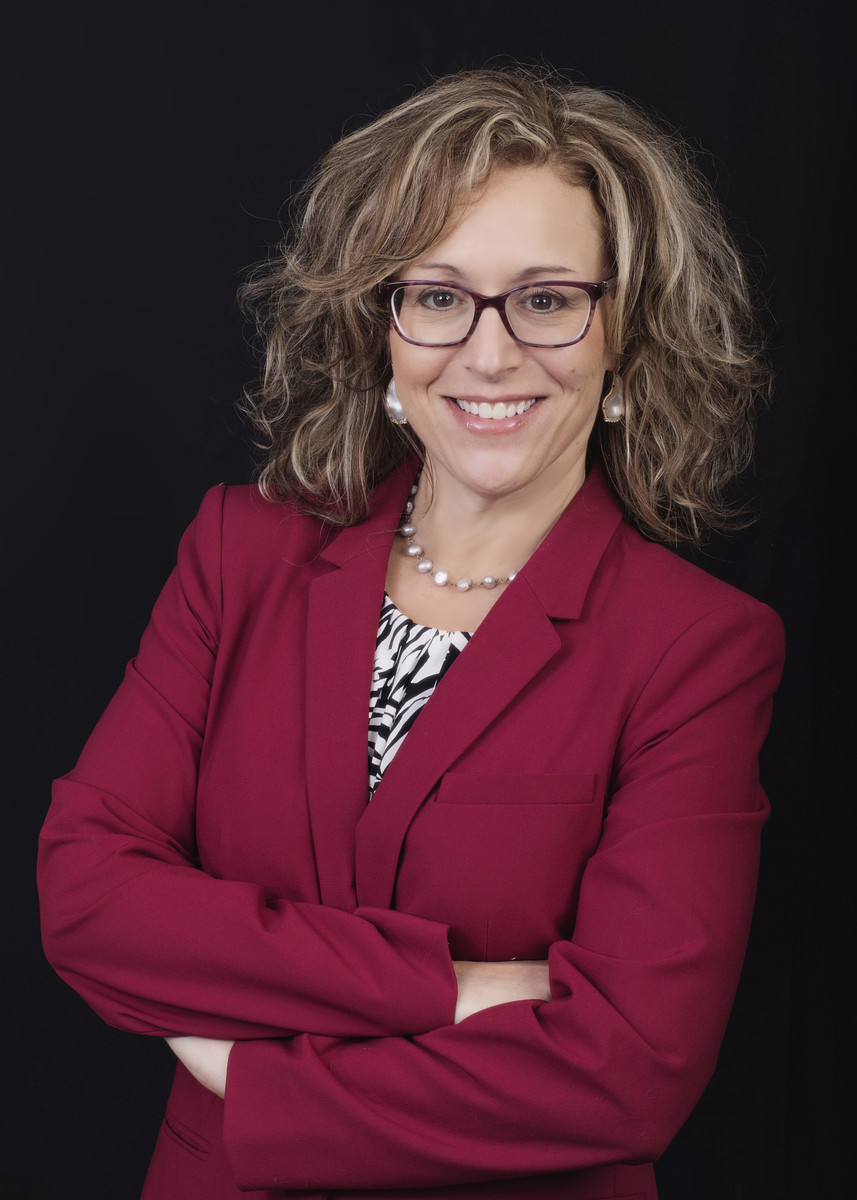
Where are you from, and what motivated you to pursue a graduate degree at Wichita
State University?
I am originally from New York, but relocated to Wichita in 1997. I have worked in
the law enforcement profession for close to 30 years. After retiring from the Wichita
Police Department in 2019, I helped to create a wellness program at the Sedgwick County
Sheriff’s Office. Since that time, I have seen the importance of supporting mental
health and wellness for all first responders and the need for more culturally competent
mental health professionals. After researching other programs, the WSU Clinical Mental
Health Counseling program, by far, was the best fit for my professional goals.
What’s your field of study/department within the College of Applied Studies?
Clinical Mental Health Counseling
What drew you to your specific graduate program at WSU?
My plan is to work with first responders and others in a private practice setting
upon graduation. I felt that the Clinical Mental Health track best fit my needs. I
like the hybrid learning approach and the scheduling accommodations for working professionals.
Can you share a bit about any research, thesis, or major projects you've worked on?
For the past decade, I have been researching best practices in first responder organizational
wellness programming. I manage the agency wellness unit which entails overseeing the
agencies’ 60-person peer team, delivering wellness training to recruits and other
agency members, and supervising a deputy, in-house therapist, and master’s level intern.
My studies as a graduate student have enhanced my ability to better support those
I serve and improve the quality of mental health services available to first responders.
How has your program prepared you for your career goals?
I have considered going back to school for counseling for nearly a decade but put
it off for many reasons, family, finances, and time. When I finally made the decision
to apply, I was apprehensive mostly because of my age. Everyone I have met has been
extremely kind, accepting, and I appreciate the diversity of backgrounds and perspectives
of both the instructors and students. This, along with the curriculum have helped
to prepare me to serve a diverse client population.
What’s been the most rewarding part of being a graduate student here?
I am a lifelong learner and have enjoyed the intellectual stimulation, hybrid learning
approach, and opportunity to learn more to support the first responder population
I work with. I have really enjoyed getting to my fellow students and instructors as
they have helped me to broaden my perspective and enhance my confidence.
What are some of your hobbies or interests outside of school?
I love spending time outdoors, practicing and teaching yoga and meditation, and spending
time with my two amazing daughters, husband, and dogs. I also host the Guns and Yoga
Podcast, which has been on hiatus during grad school.
What advice would you give to someone considering graduate school in your field?
The first piece of advice would be to make sure you have done the work yourself meaning
you have some level of commitment to self-reflection, therapy, or growth work. I would
also suggest speaking with at least two mental health professionals and ask them about
their job, what they like, dislike etc.
Graduate school is both a time commitment and financial commitment. It’s important
to make sure it is the right step for you and that you are in a healthy place to learn
and be present with others.