


Wichita State University
Wichita State grads lead their cities in battle against COVID-19
COVID-19 is a global pandemic, but its effects are felt most acutely at the local level. With the health implications, economic repercussions and employment concerns, Wichita State University grads are stepping up to the plate to guide their communities through this crisis.
“I feel like I’m bouncing from one crisis to another to another,” said Wichita mayor Brandon Whipple, who earned an undergraduate sociology degree from WSU in 2005 and a master’s degree in liberal studies in 2007.
Whipple celebrated his fourth month in the mayor’s office on April 13, and it’s certainly been eventful. Starting with the Boeing layoffs in February, 2020 has been a challenging year for Wichitans. But Whipple says that people have risen to the challenge.
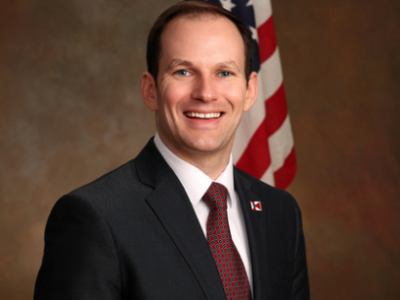
Wichita Mayor Brandon WhippleCourtesy
“One of the consistencies is the way the Wichita community comes together for a crisis. When the COVID crisis hit, I could call on the United Way to be our one-stop shop for the nonprofits. For people who needed services while being laid off or furloughed, or for people who wanted to volunteer – the United Way served as that community resource,” Whipple said. “A lot of these community organizations are very much looking to help.”
Whipple says his powers as Wichita mayor are limited as far as issuing stay-at-home orders, but he feels like the city was ahead of the curve in some important ways.
Sedgwick County issued a stay-at-home order on March 30, but “My role as mayor is – how can we complement that?”
“We went on a messaging campaign on social media about this, and we were ahead of the curve as far as people washing hands, being responsible, doing the six-feet distancing. We did that at least a week before the stay-at-home order,” Whipple said. “By that time, peple knew what to do.”
It’s for this reason, Whipple says, that Wichitans have been so responsive in dealing with the pandemic. “One of the reasons we’ve been able to flatten the curve and be ahead of other communities is that the people of Wichita – if you give them the facts and the right information, the majority will do the right thing.”
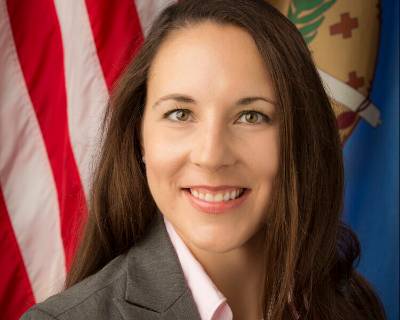
Norman, Oklahoma mayor Breea ClarkCourtesy
Across the state line, WSU grad – Mayor Breea Clark of Norman, Okla., a 2005 Wichita State political science graduate – reacted to the pandemic swiftly. Whereas Oklahoma’s governor issued a more conservative safer-at-home directive for people who are 65 or older or are immunocompromised, Clark issued a stay-home order for the city of Norman.
“Our order in Norman is more restrictive in what is considered essential and nonessential," she said.
Mayor Clark said her community has been supportive of the steps she’s taking to keep people safe. “About 90 percent of residents say thank you and even ask me to do more.”
There have been bursts of support and creativity that have come out this crisis that, Clark says, have really impressed her.
“Oklahomans are quite resilient. I think Americans are resilient. For the most part, you see the best of people coming out. Sewing machines have been dusted off, and people are making masks like it’s going out of style,” she said. “This is unprecedented and awful, but you’re seeing the best of people.”
Both mayors credit much of their leader ability to their education and experience at Wichita State.
“I’m a first-generation college student and really grew up in kind of poor household,” Whipple said. “WSU really let me see my potential. I got into student government at Wichita State, and that’s something I probably never would have done at the college where all my friends went back in New Hampshire. Wichita State was big enough where I could meet new people and experience new things, but also small enough so I could participate. It was my vehicle toward that American dream, which was becoming what I could be based on my potential, not based on what economic class I was born into.”
Clark said her political path grew from the opportunities that were available at the university.
“I think all of my political experiences that I wouldn’t have been able to have without Wichita State helping me prepare for this,” she said. “I wouldn’t be where I am today without the experience that Wichita State afforded to me, and I’ll always be grateful for that.”