


Wichita State University
Impact of the coronavirus on the full-service restaurant industry in Kansas
March 19, 2020
One of the most vulnerable sectors impacted in the United States by the novel coronavirus is food services and drinking establishments, which accounted for 7.3% of all jobs and $1.6 billion in total wages within Kansas in 2018, according to research completed by Wichita State University's Center for Economic Development and Business Research.
This vulnerability stems from government agencies at the national, state and local levels, limiting public gatherings and encouraging social distancing. The following examines the economic value of the industry and the potential impact on the Kansas economy.
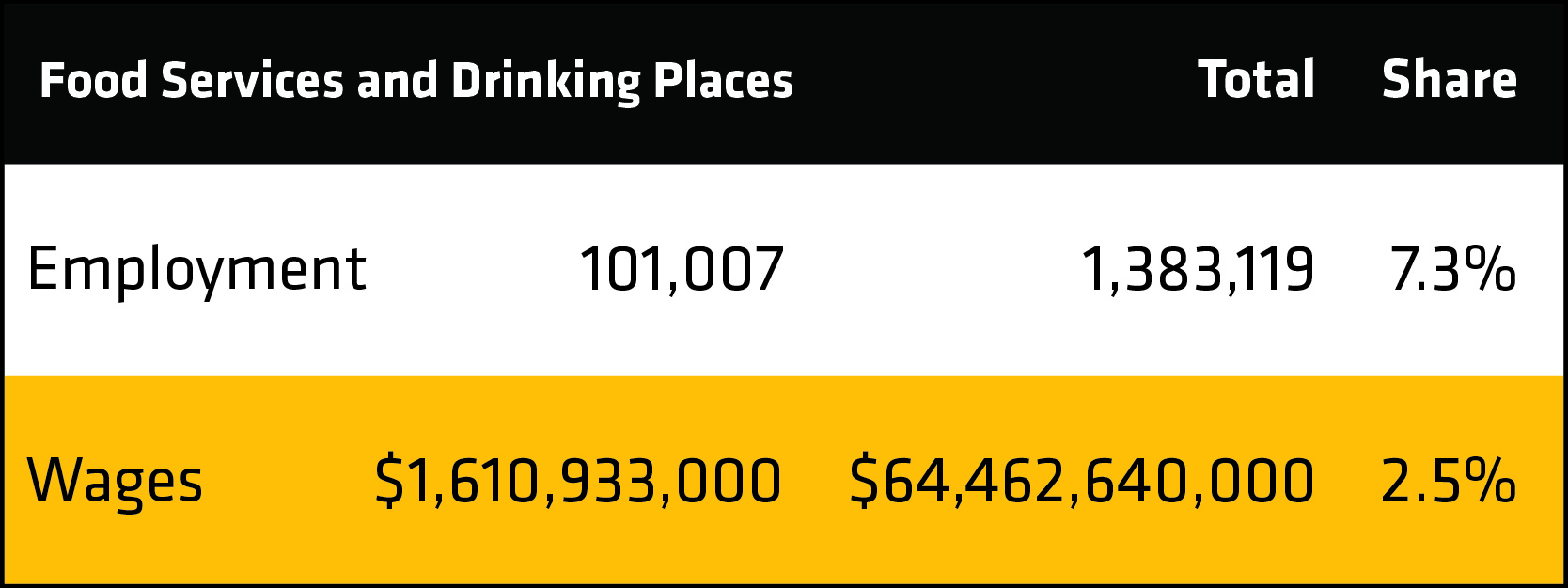
The most affected subsector within food services and drinking places is full-service restaurants. These establishments are especially vulnerable because they are designed for eating within the restaurant, not for to-go orders. It was estimated that this subsector accounted for 36% of the broader industry.
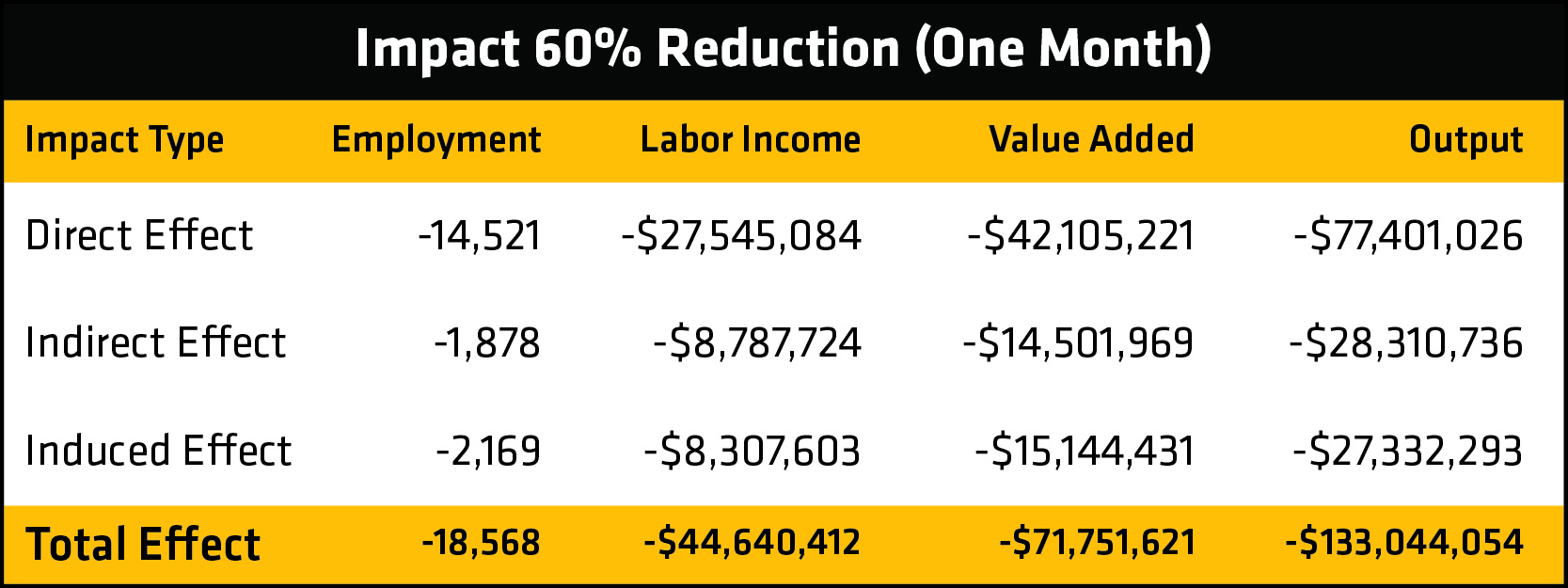
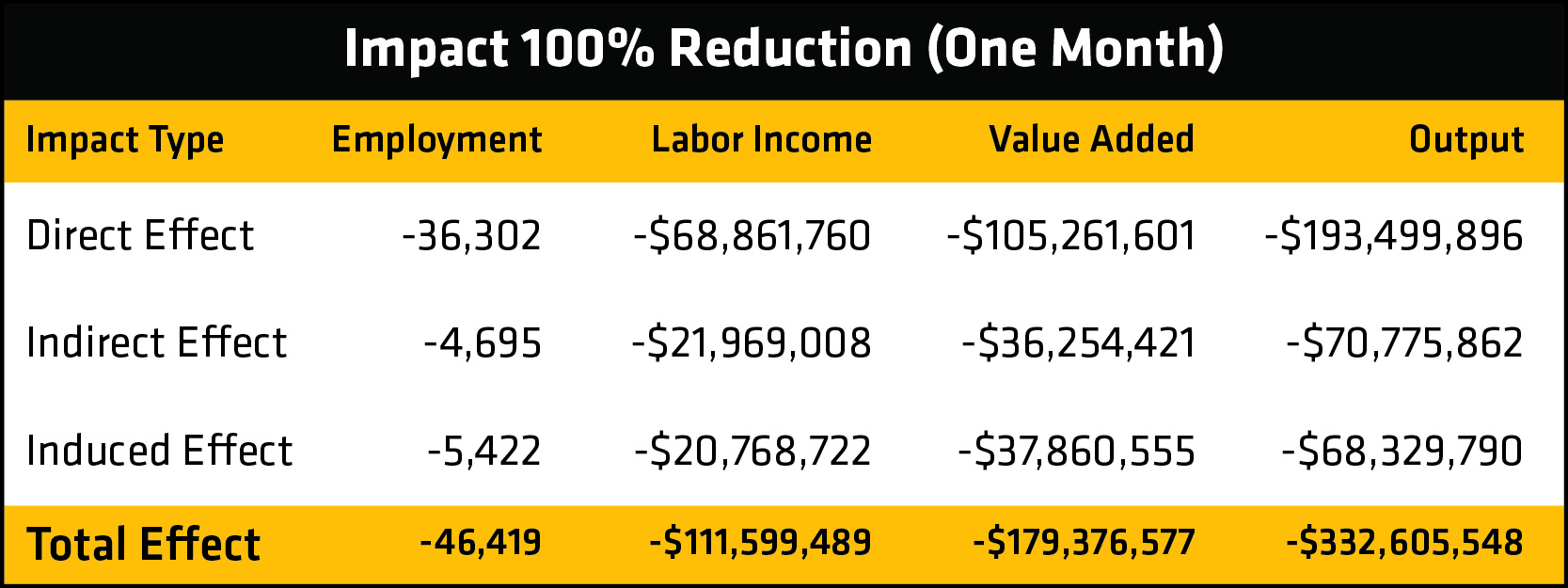
To estimate the economic impact of this sector in Kansas, two scenarios were created. The first assumes that the full-service restaurant industry will have a 60% reduction in demand for one month. The other assumes that the sector will have a 100% reduction in demand for one month due to government agencies mandating restaurants to close.
The 60% reduction scenario will have a direct impact on 14,500 jobs and $27.5 million in labor income over the one-month period. The total impact on the economy is expected to be just under 18,600 jobs and $44.6 million in wages.
If all full-service restaurants shut down, the direct job loss would be greater than 36,000, with an additional 10,100 jobs impacted within the restaurant supply chain and $68.8 million in wages. In both scenarios, if the timeframes were to increase, the jobs affected would not change, but the lost wages would continue to climb.
It should be noted that these estimates do not take into account other changes within the Kansas marketplace. For example, one might expect that the reduction in spending on full-service restaurants would at least partly be substituted by an increase in demand from grocery stores. Additionally, it does not include any other entrepreneurial efforts of turning such restaurants into takeout places. The net difference in the impact on the Kansas economy was not estimated.
Wichita State is distinctive for opening pathways to applied learning, applied research and career opportunities, alongside unsurpassed classroom, laboratory and online education. The university's beautiful 330-acre main campus is a supportive, rapidly expanding learn-work-live-play environment, where students gain knowledge and credentials to prepare for fulfilling lives and careers. Students enjoy a wide selection of day, evening and summer courses in more than 200 areas of study at the main campus and other locations throughout the metro area and online. WSU's approximately 16,000 students come from every state in the U.S. and more than 100 other countries. Wichita State's Innovation Campus is an interconnected community of partnership buildings, laboratories and mixed-use areas where students, faculty, staff, entrepreneurs and businesses have access to the university's vast resources and technology. For more information, follow us on Twitter at www.twitter.com/wichitastate and Facebook at www.facebook.com/wichita.state.